Fifteen days, two bases, and more variety than we expected. This road trip took us from a tiny whitewashed village in inland Valencia to coastal cliffs, waterfalls, mountain landscapes, and quiet coves along the Costa Blanca. Much of the trip was spent outdoors, from the mountains around Chulilla and the gorges of Chorreras del Cabriel to the beaches and rocky coastline of the Costa Blanca.
If you’re planning a Valencia to Alicante road trip, this guide covers our full 15-day route, from cities and beaches to hiking, nature spots, and smaller towns, along with practical tips based on our experience.
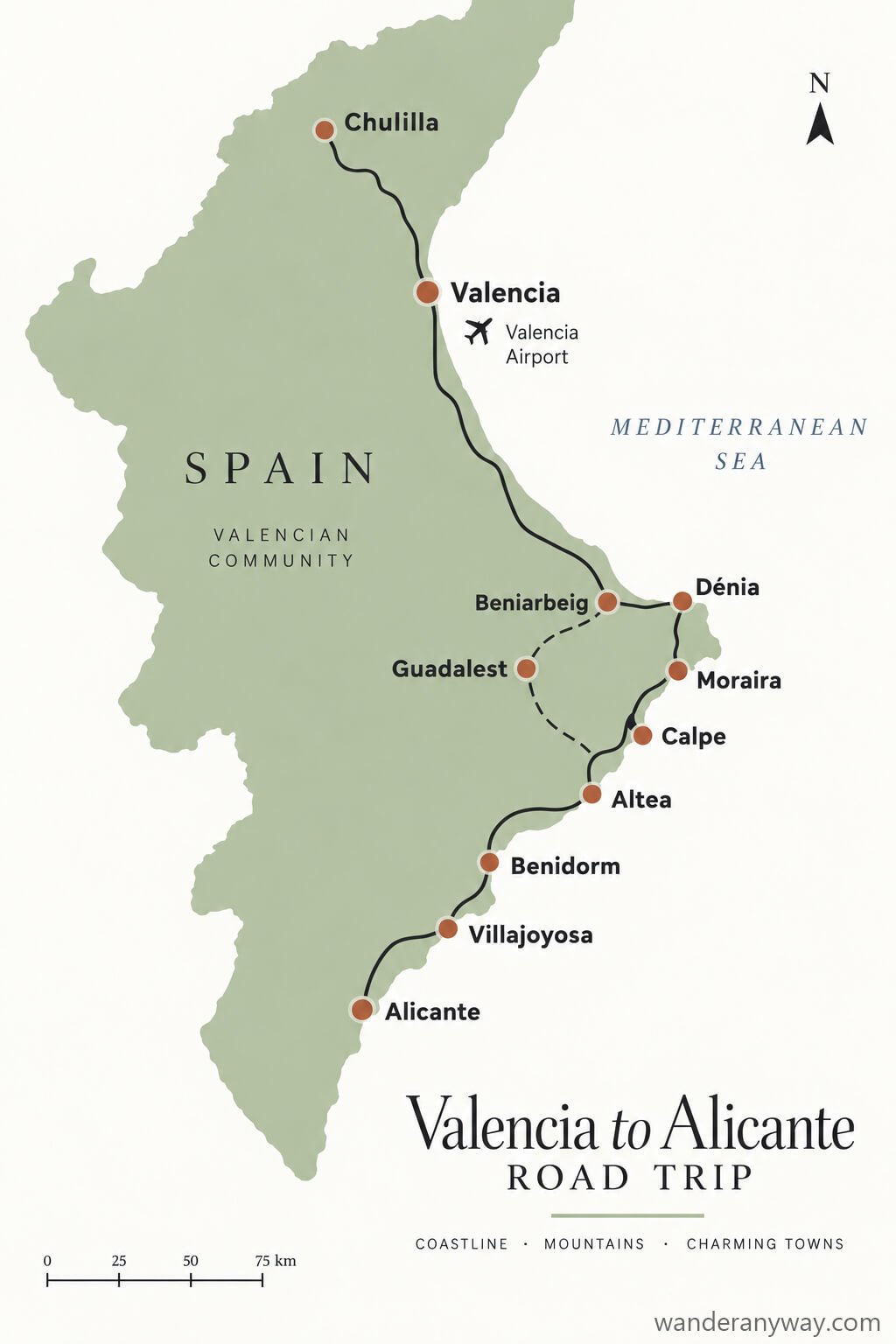
Valencia to Alicante Road Trip: Route at a Glance
Duration: 15 days
Start and finish: Valencia Airport
Transport: Rental car
Bases: Chulilla and Beniarbeig
When we traveled: October
Best for: Hiking, beaches, nature, smaller towns and scenic road trips
Route: Valencia → Chulilla → Beniarbeig → Valencia
Day trips: Dénia, Benidorm, Calpe, Altea, Alicante, Guadalest, Moraira, Villajoyosa + Costa Blanca beaches
How We Planned Our Valencia to Alicante Road Trip
Instead of changing accommodation every night, we based ourselves in just two places. We stayed in Chulilla for days 1–4, then moved to Beniarbeig for days 5–14 before driving back to Valencia Airport on the final day.
This saved us hours of checking in, checking out, and repacking. It also meant we could use both places as bases for day trips rather than constantly moving south.
For this particular itinerary, I strongly recommend renting a car. Valencia and Alicante are easy to reach by public transport, but many of the smaller villages, beaches, waterfalls, and hiking areas on this route would be difficult to combine without one.
We traveled in October, which worked particularly well for us. It was still warm enough for swimming, hiking was more comfortable than during peak summer, and outside a few popular places, we rarely encountered heavy crowds.
15-Day Valencia to Alicante Road Trip Itinerary
Day 1: Arriving in Valencia and Driving to Chulilla
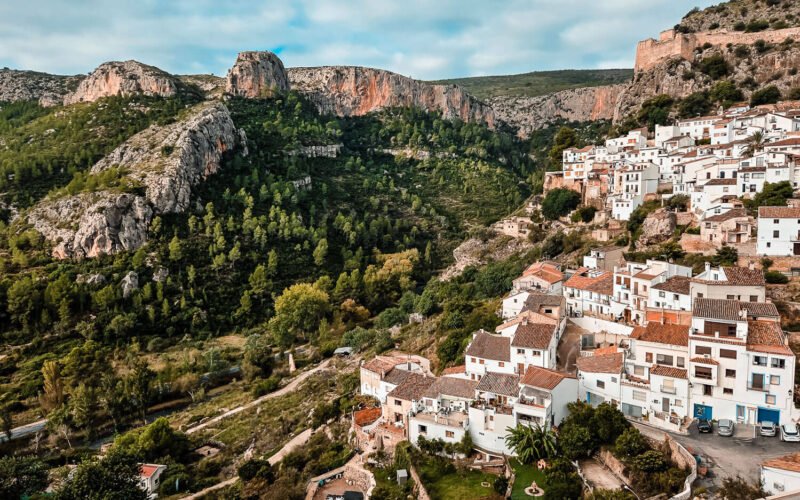
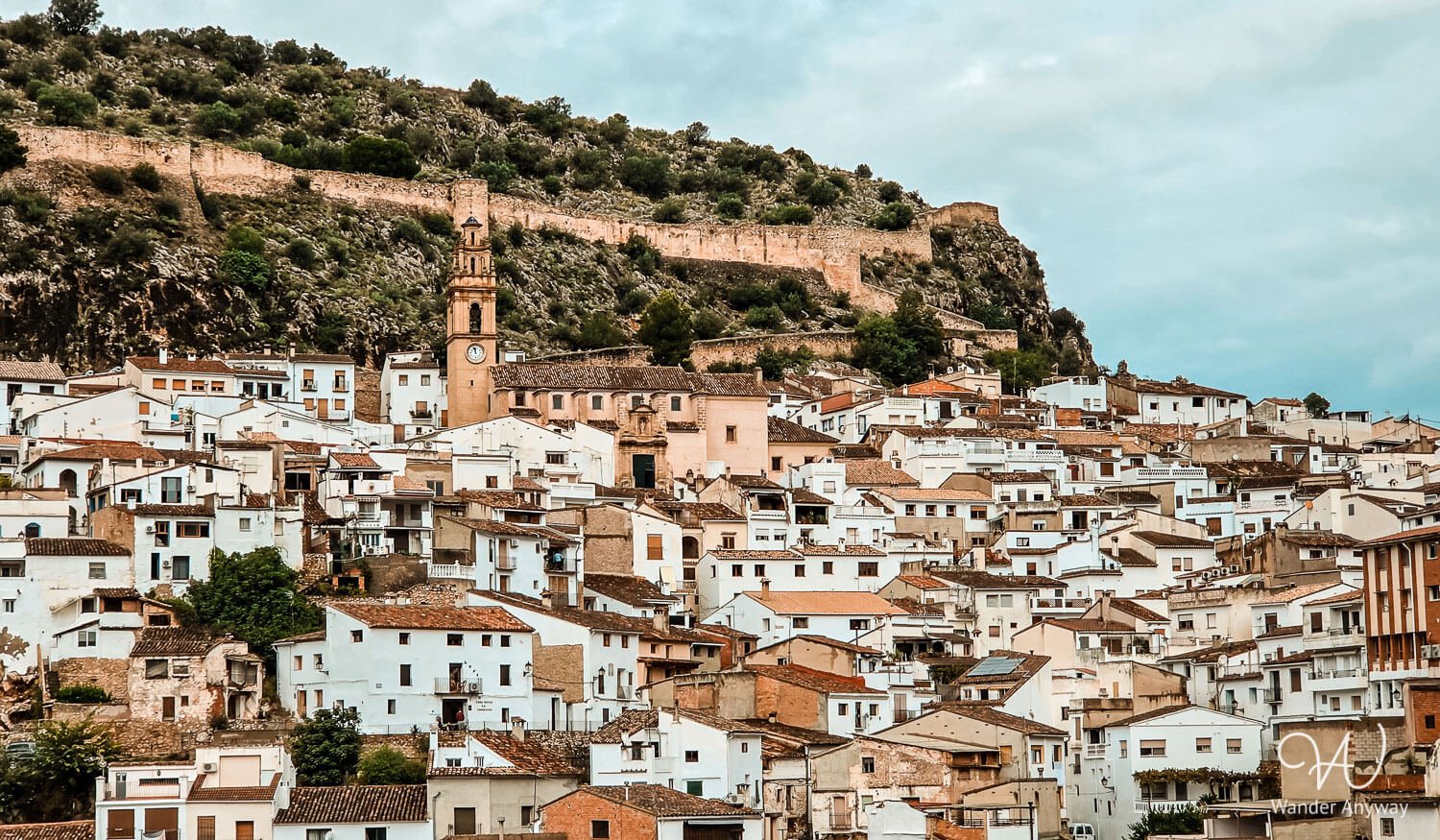
Chulilla is a small mountain village around 60 kilometers inland from Valencia and makes a practical first base for exploring the surrounding gorges, waterfalls, and hiking trails.
We picked up our rental car at Valencia Airport and drove directly to Chulilla. Since we arrived in the evening, there was just enough time to settle in before starting the road trip properly the following morning.
Driving time: Valencia Airport to Chulilla: around 45 minutes
Tip: Pick up groceries on the way. Chulilla is a small village with limited shops, so stocking up before you arrive makes the first morning much easier.
Day 2: Valencia City
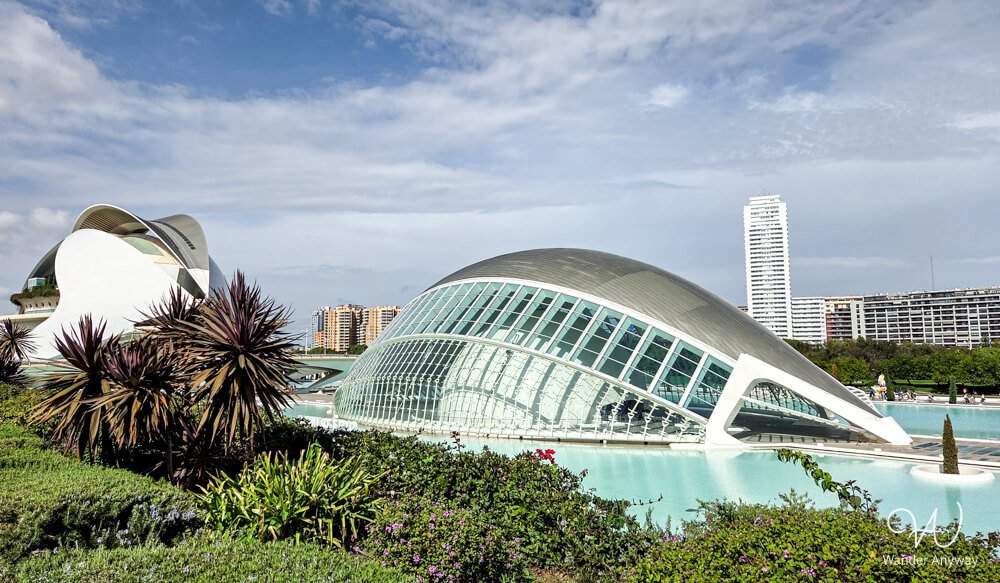
Valencia is an easy day trip from Chulilla and adds a completely different side to this road trip. The historic center is compact enough to explore on foot, while the Turia Gardens cut through the city along the former riverbed.
The Central Market and the streets around Plaza del Mercado are also worth including if you have a full day. We planned to visit the market but arrived too late and found it already closed, so check the current opening hours and visit earlier than we did.
Driving time: Chulilla to Valencia: under 1 hour each way
For more places to visit, read my Things to Do in Valencia guide.
Day 3: Cascada Doményo, Charco Azul and Los Calderones
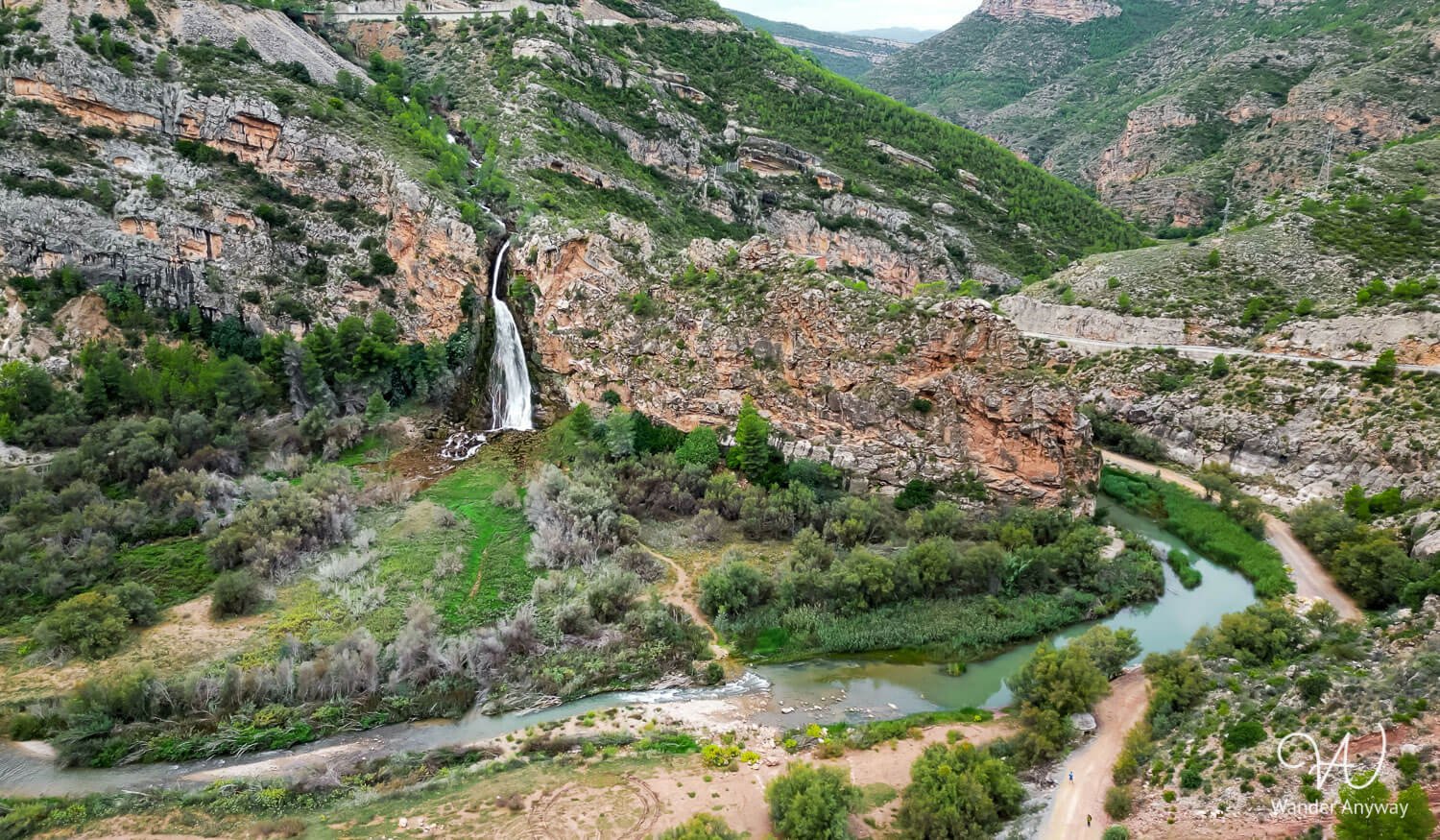
The area around Chulilla is one of the most nature-focused parts of this itinerary. Cascada Doményo lies around 25 minutes from the village and offers a completely different landscape from the narrow gorge around Chulilla. There were no crowds or facilities when we visited.
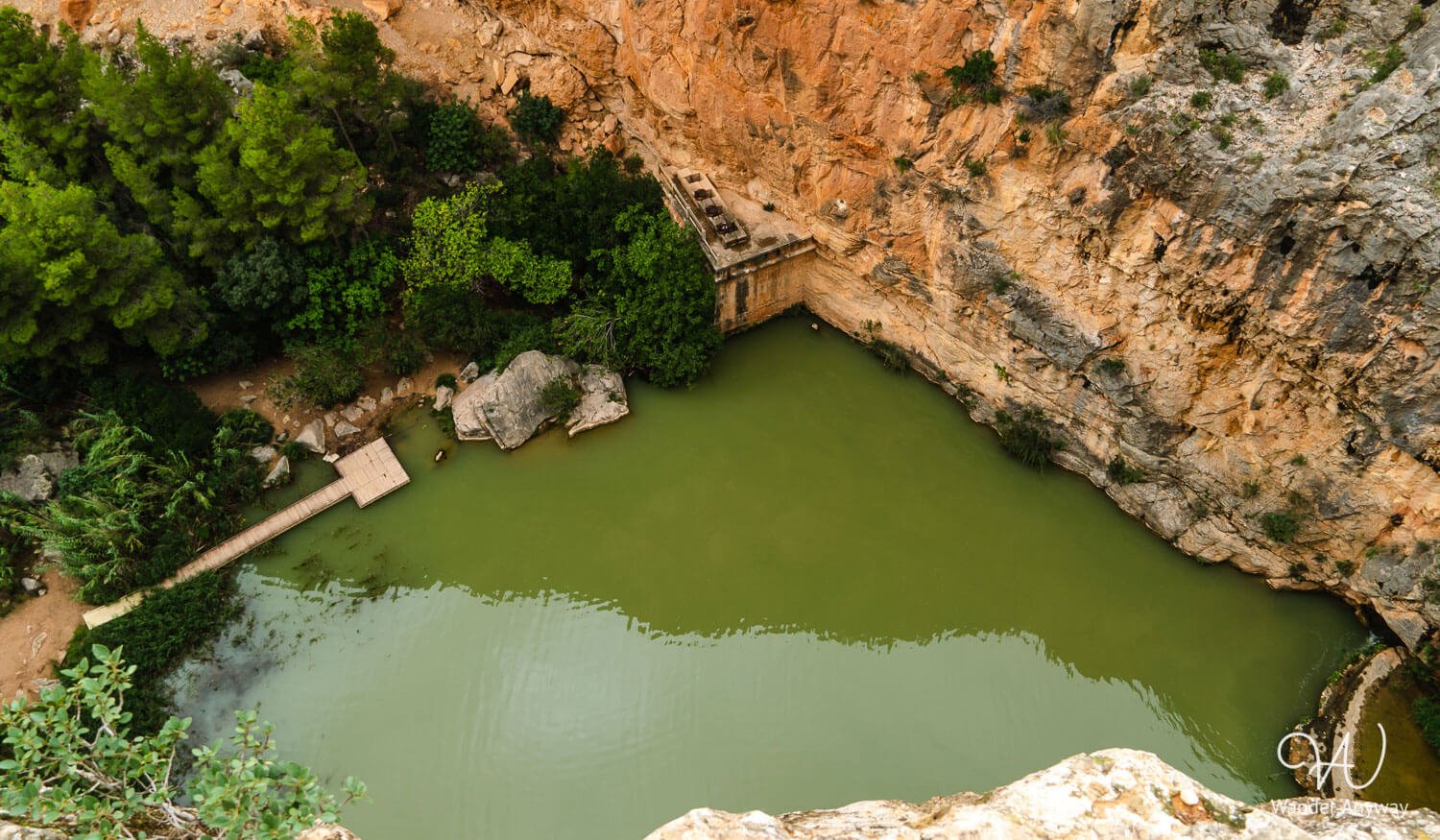
Closer to Chulilla, Charco Azul is known for its turquoise water beneath the cliffs. A recent storm had pushed the wooden deck sideways when we were there, so the scene looked quite different from the photos we had seen beforehand.
The Los Calderones trail also runs through this landscape, crossing the gorge on hanging bridges. We actually joined the trail accidentally while trying to reach the water at Charco Azul and ended up hiking around seven kilometers.
Even in October, the exposed sections were warm, so bring enough water and snacks if you plan to spend several hours here.
Day 4: Chorreras del Cabriel
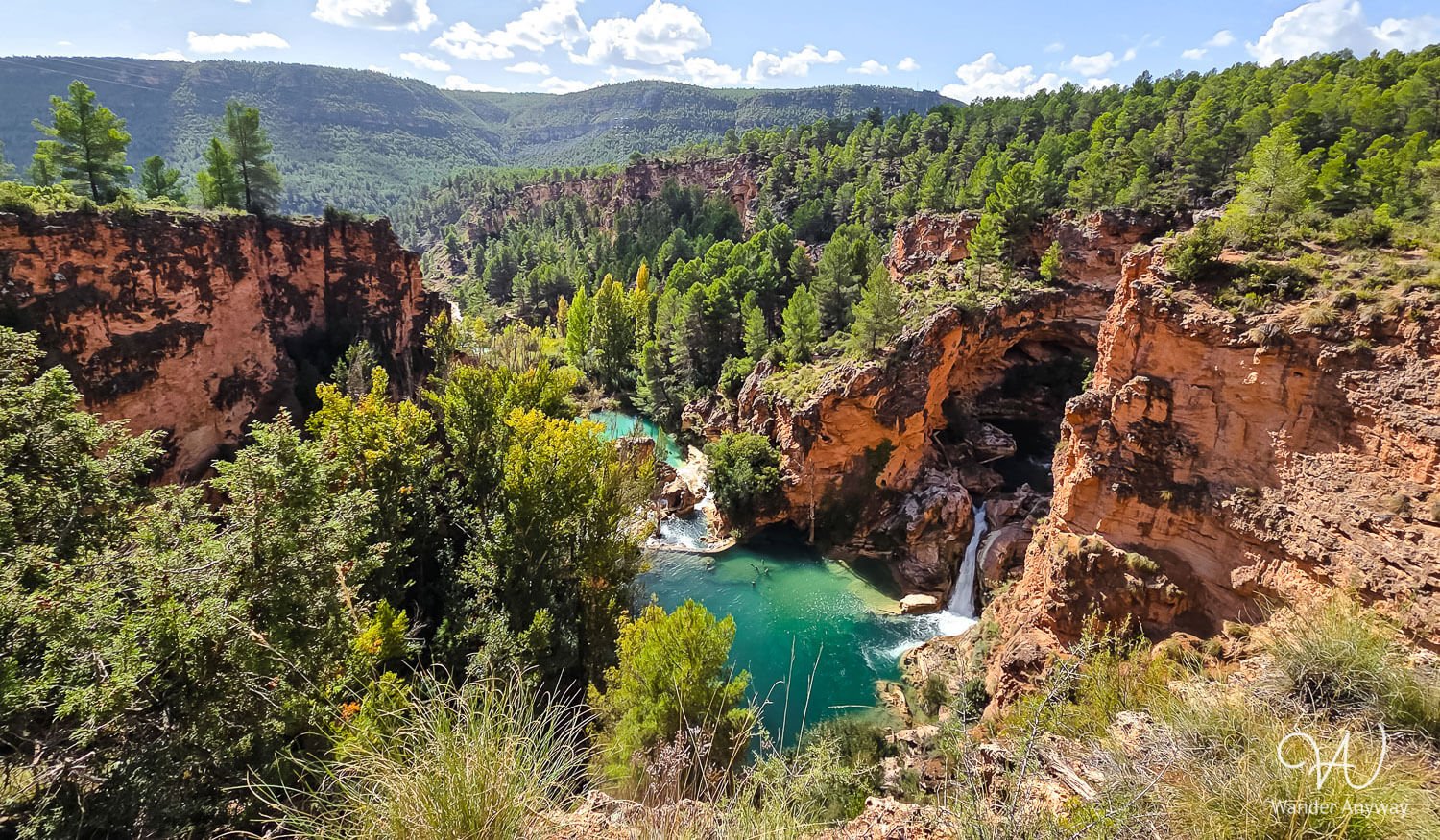
Chorreras del Cabriel is considerably farther from Chulilla, but the landscape makes it worth considering if nature is a priority on your road trip. The trail follows the Cabriel River through a rocky gorge, with turquoise water, viewpoints, and a waterfall along the route.
We walked nearly 9.5 kilometers, although completing the full loop isn’t necessary if you mainly want to see the scenery. Some of our favorite views appeared within the first couple of kilometers from the upper parking area.
Driving time: Chulilla to Chorreras del Cabriel: around 2 hours each way
The information point was unmanned during our October visit, so check current access arrangements before setting out, particularly in summer.
For more hiking routes, nature spots, and practical information, read my Things to Do in Chulilla guide.
Day 5: Playa de L’Ahuir and Dénia
The drive from Chulilla to Beniarbeig marks the transition from the inland part of the itinerary to the Costa Blanca. Playa de L’Ahuir near Gandia makes an easy coastal stop along the way, with a wide stretch of sand and plenty of space away from the larger resort towns.
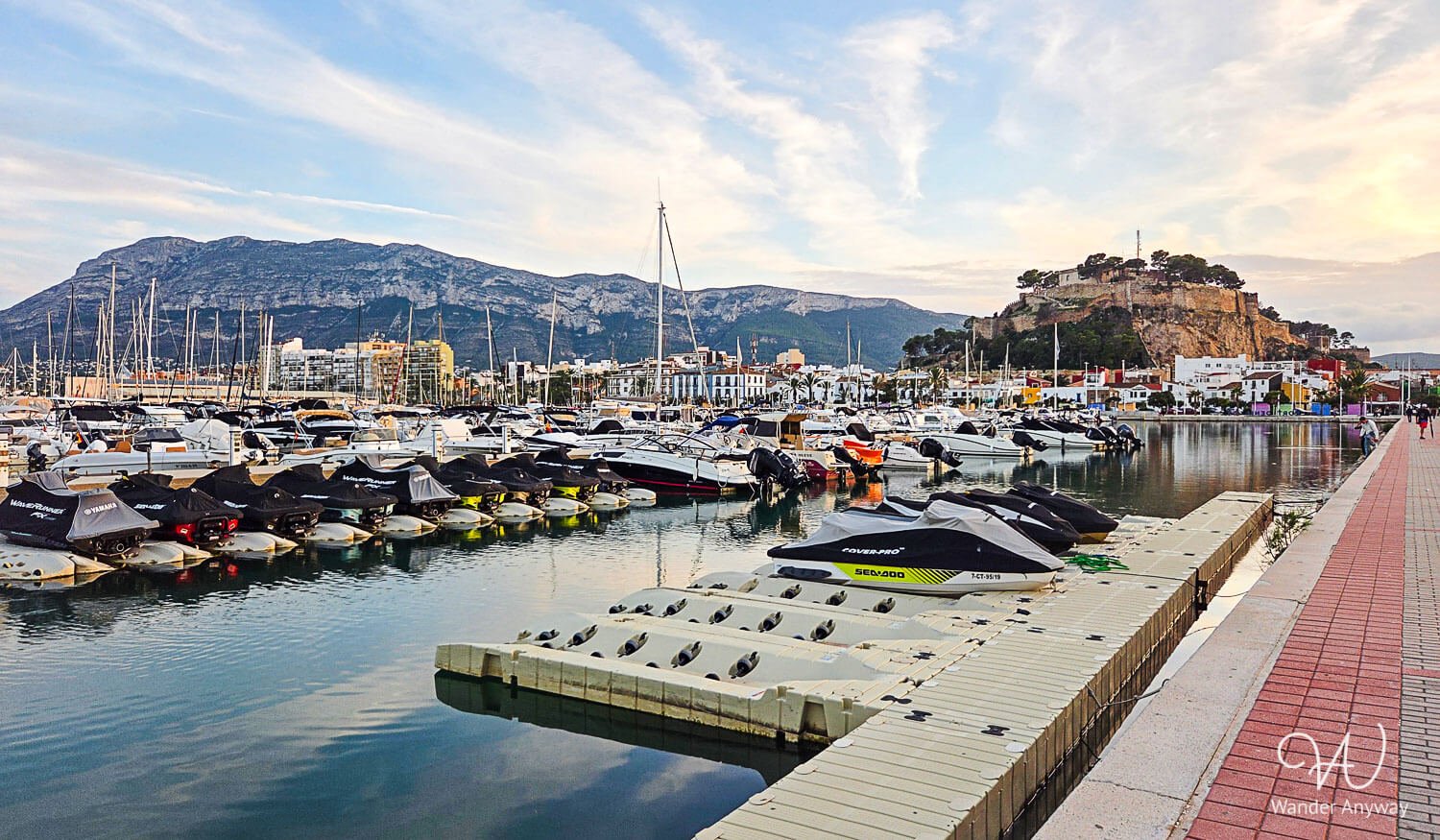
Dénia sits farther south and combines a busy marina and waterfront with a historic center and castle. We only had time for a short evening walk around the seafront and marina, so this was more of an introduction to Dénia than a full visit.
Driving time: Chulilla to Beniarbeig: around 1 hour 40 minutes
Beniarbeig isn’t an obvious Costa Blanca base, but that worked in our favor. Accommodation was cheaper than in the coastal towns for our dates, while most of the places we wanted to visit were still within driving distance.
Day 6: Benidorm
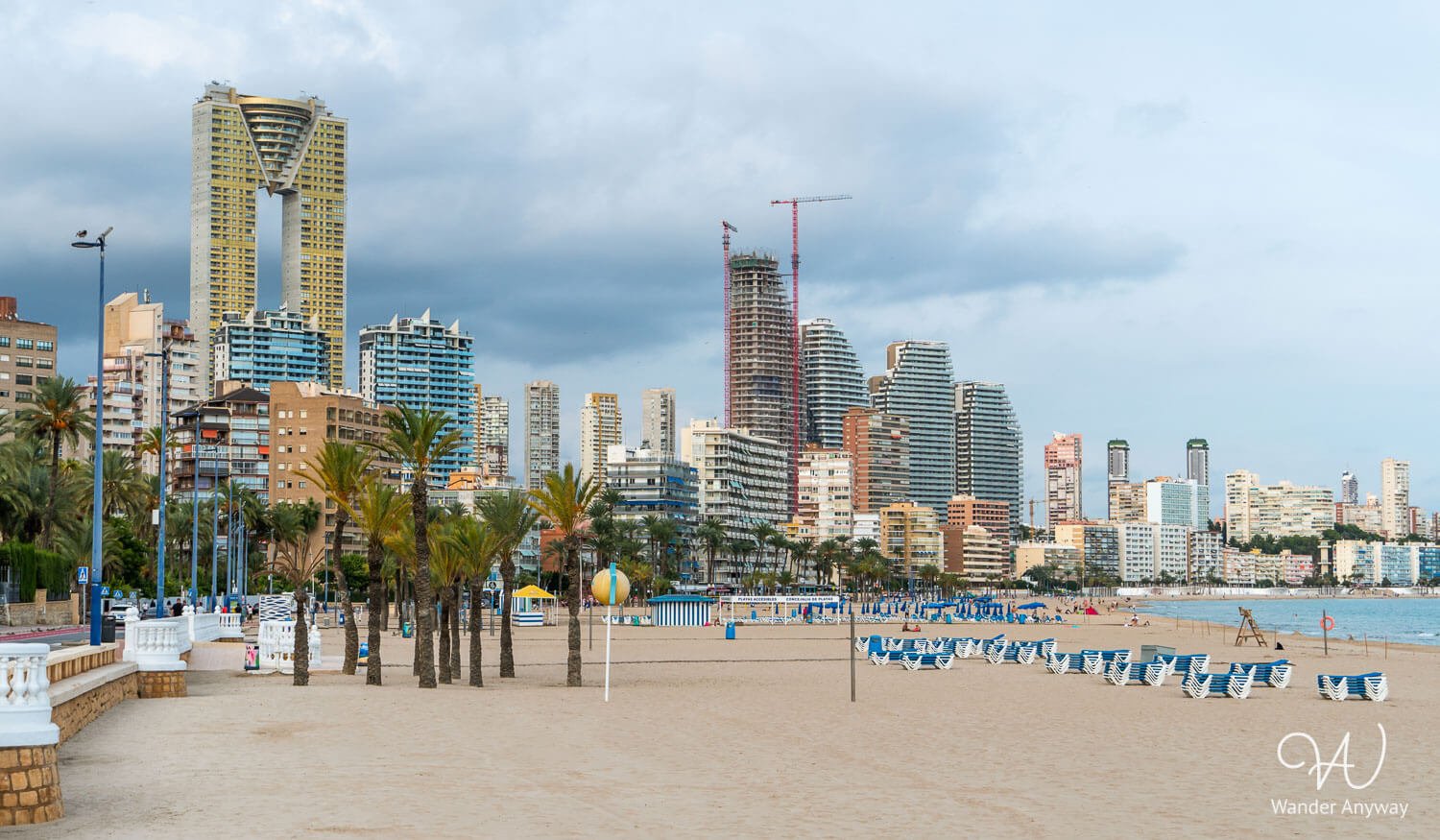
Benidorm is best known for its long beaches, high-rise hotels, and resort atmosphere, but there is more to see beyond that side of the city. Tossal de la Cala and Mirador de l’Ermita Verge del Mar offer coastal views from the western side, while Mirador del Castell and Balcó de la Mediterrània are easy to combine with a walk through the old town.
Between Levante and Poniente, Mal Pas Beach is a much smaller alternative to Benidorm’s two main beaches.
This quieter side of Benidorm surprised us. We had expected the city to feel much more like a typical package holiday resort, but the viewpoints, old streets, and smaller beach gave us a different impression.
Day 7: Shrine of Saint Mary Magdalene, Mola Castle, Lago Rosa and Calpe
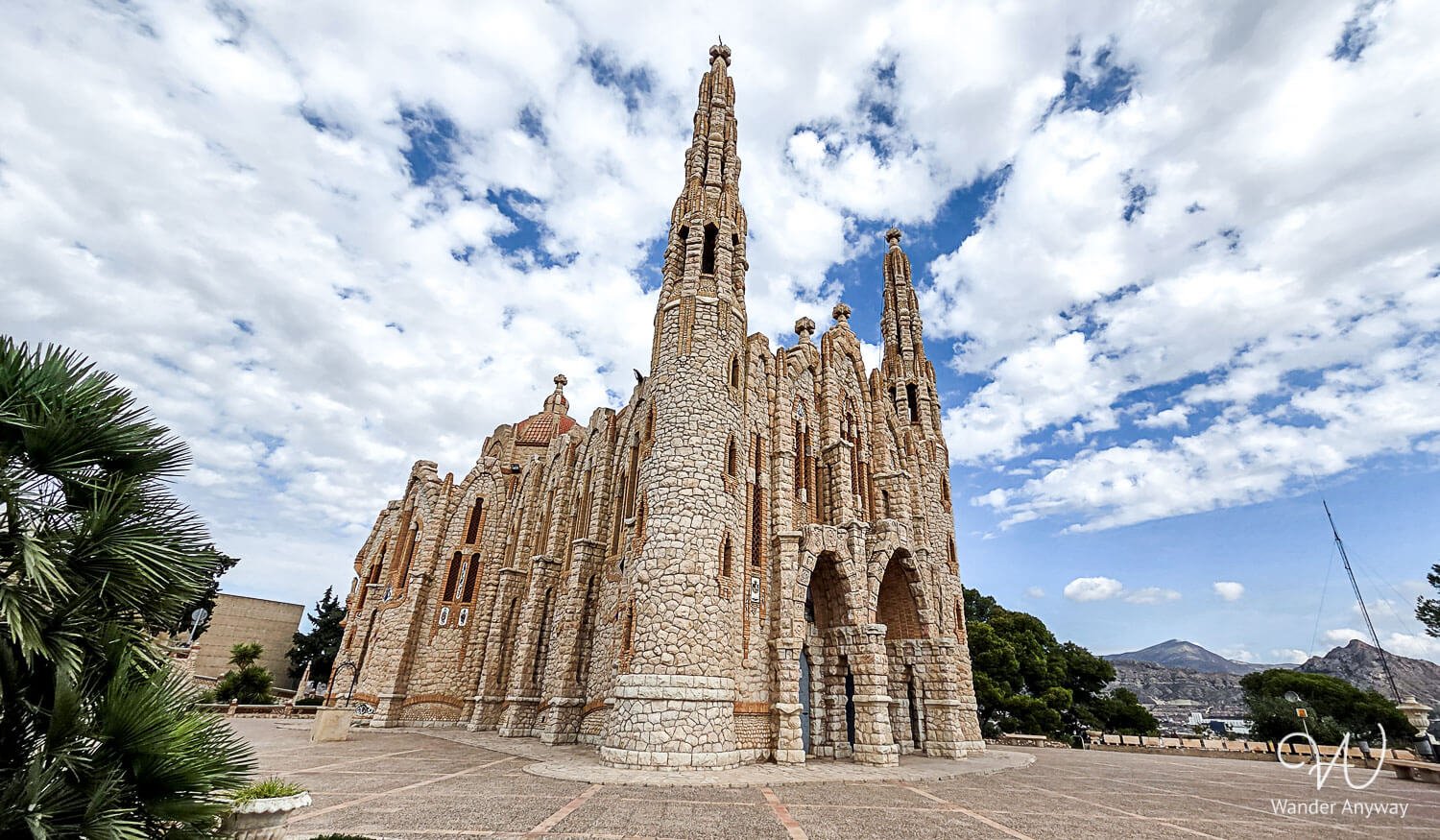
This day combines several very different stops south of the main Costa Blanca resorts. Near Novelda, the Shrine of Saint Mary Magdalene stands out for its unusual architecture and hilltop setting. Mola Castle is located nearby, making the two easy to visit together.
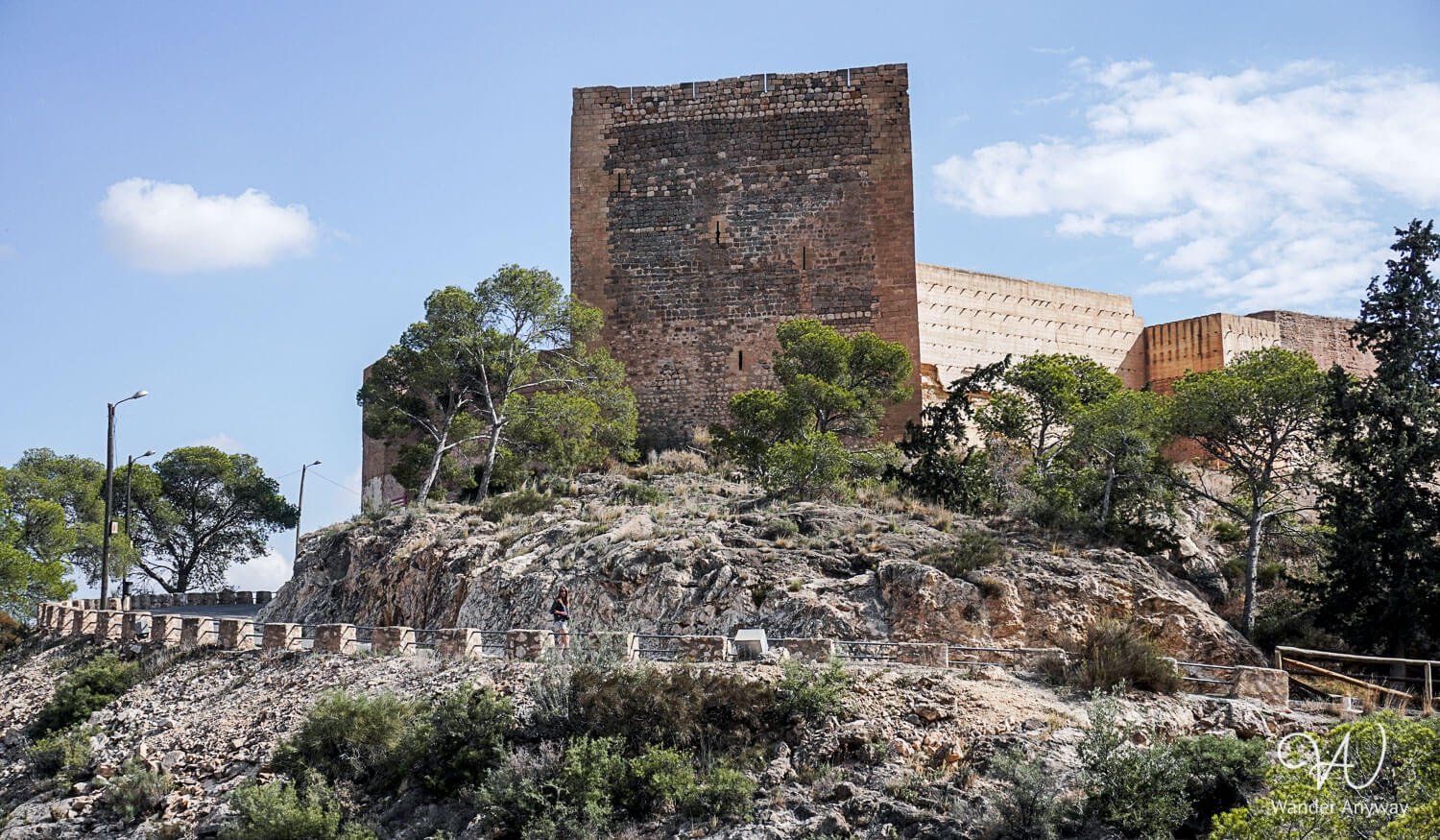
We reached Mola Castle after the entrance had already closed. It was still possible to walk up and see part of the ruins, but I would check the current opening hours and arrive earlier than we did if you want to explore properly.
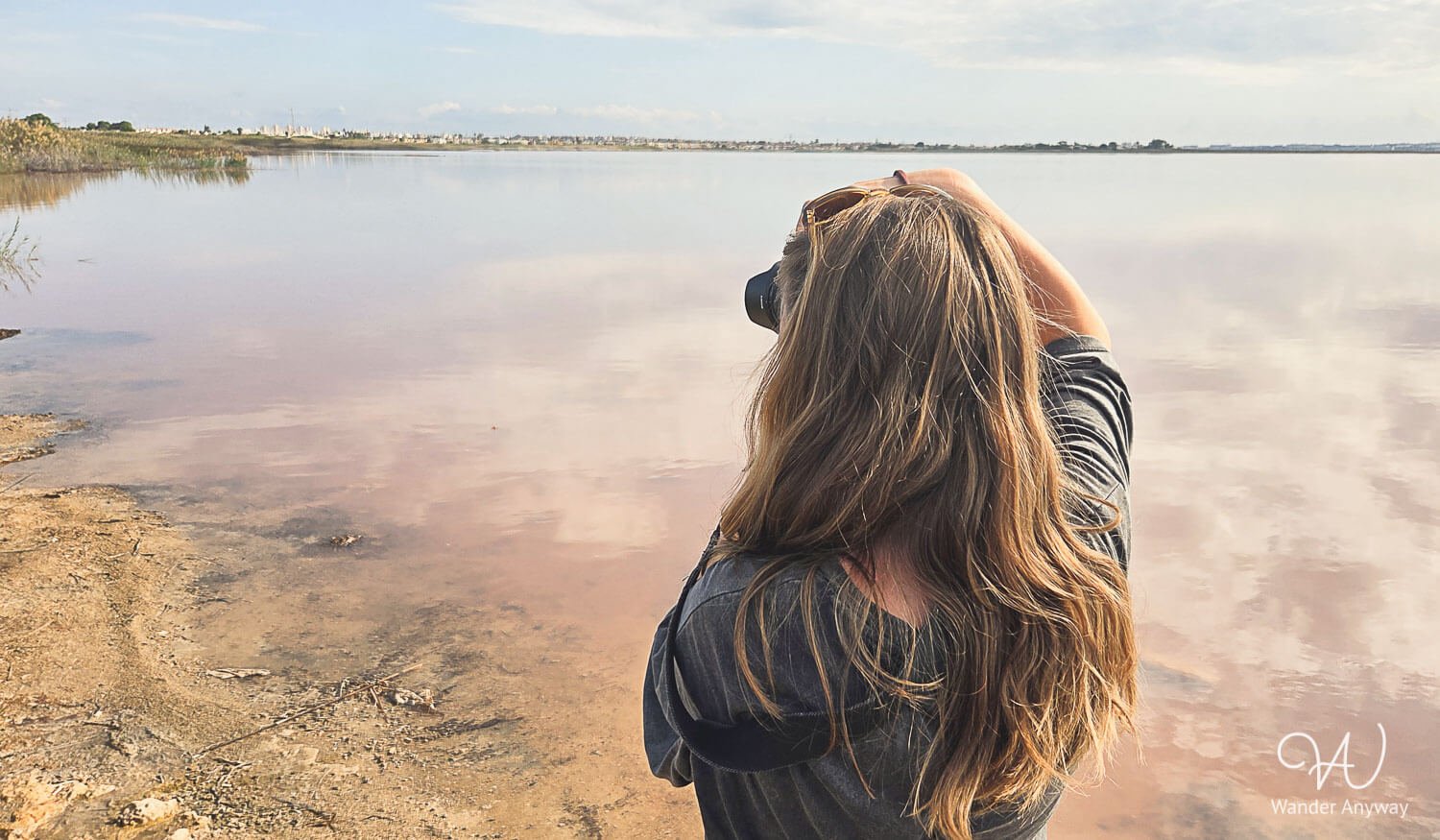
Lago Rosa adds a completely different landscape to the day. The lake can take on visible pink tones, although it isn’t a polished tourist attraction. The access point we found was marshy and full of mosquitoes, so I wouldn’t make the lake the main reason for driving south.
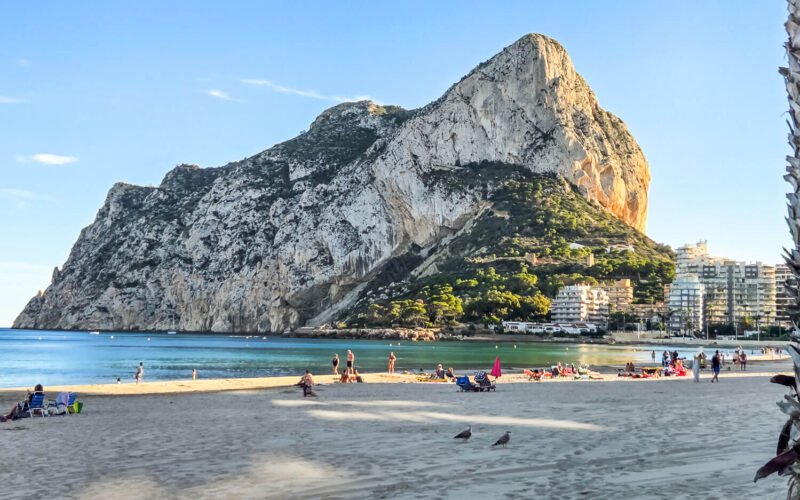
Calpe works well as the final stop, with the Peñón de Ifach dominating the coastline. We only explored the town on this visit because we planned to return later in the trip specifically to hike the Peñón.
Day 8: Russian Orthodox Church and Altea
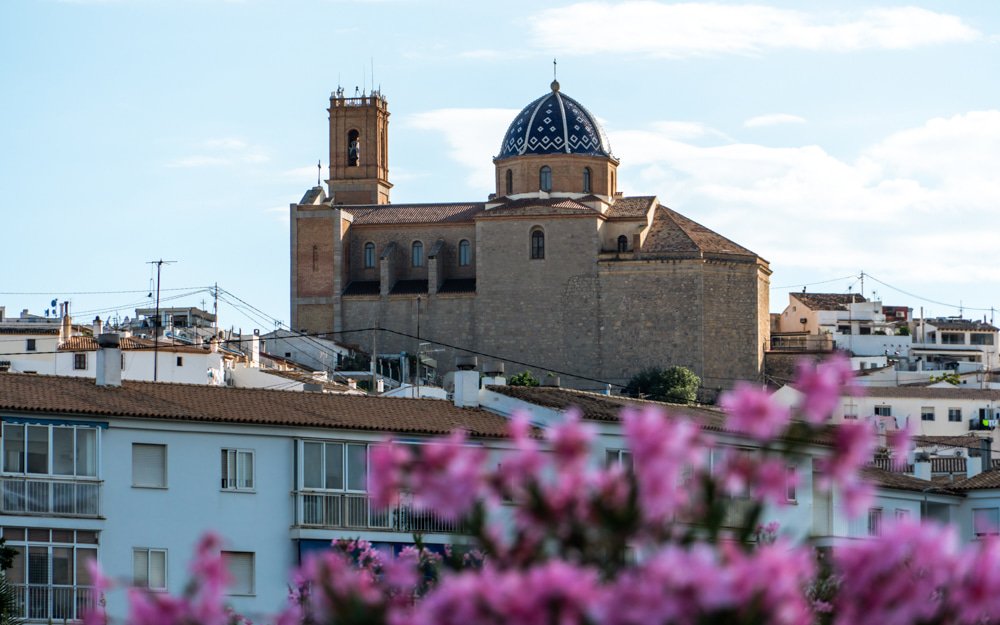
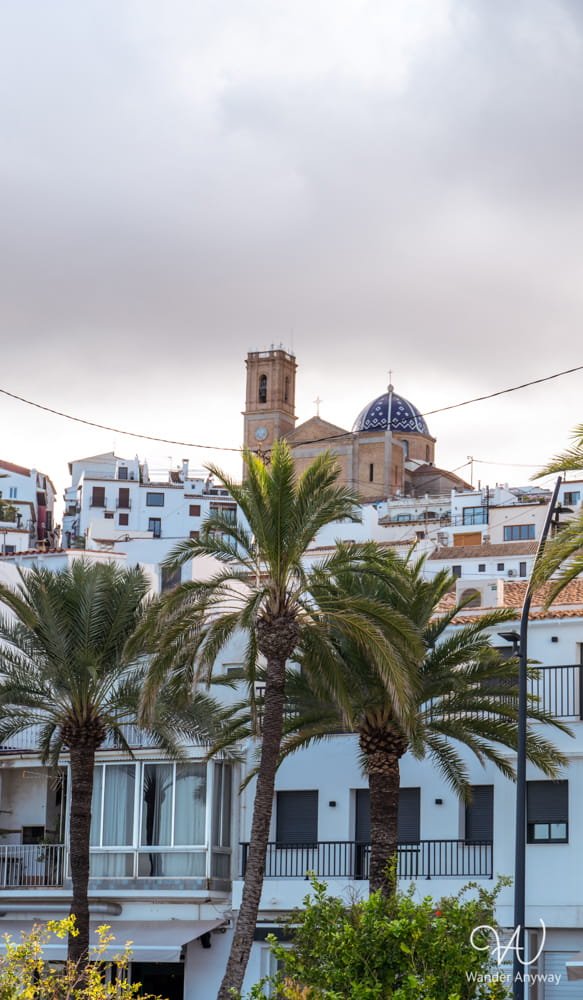
Altea is one of the most distinctive towns on this stretch of the Costa Blanca, with whitewashed streets climbing from the coast toward the blue-domed Church of Nuestra Señora del Consuelo. The old town is compact, so the best way to explore is simply to walk uphill through the narrow streets and stop at the viewpoints along the way.
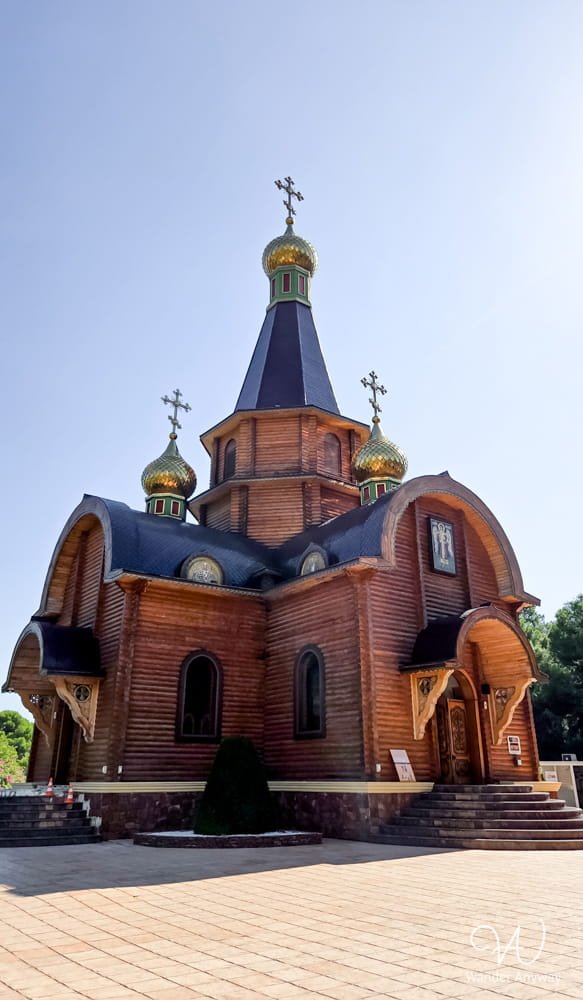
Just outside Altea, the Russian Orthodox Church is an unusual addition to the day. Its wooden exterior and golden domes look very different from the architecture elsewhere along the coast. Entry was €3 when we visited.
The church is only a few minutes from Altea by car, so combining the two worked particularly well.
For parking, sights, and more practical information, read my Things to Do in Altea guide.
Day 9: Alicante
Alicante brings another city day into the itinerary, but its historic center, beach, waterfront, and hilltop castle are close enough together to combine without spending the day driving between attractions.
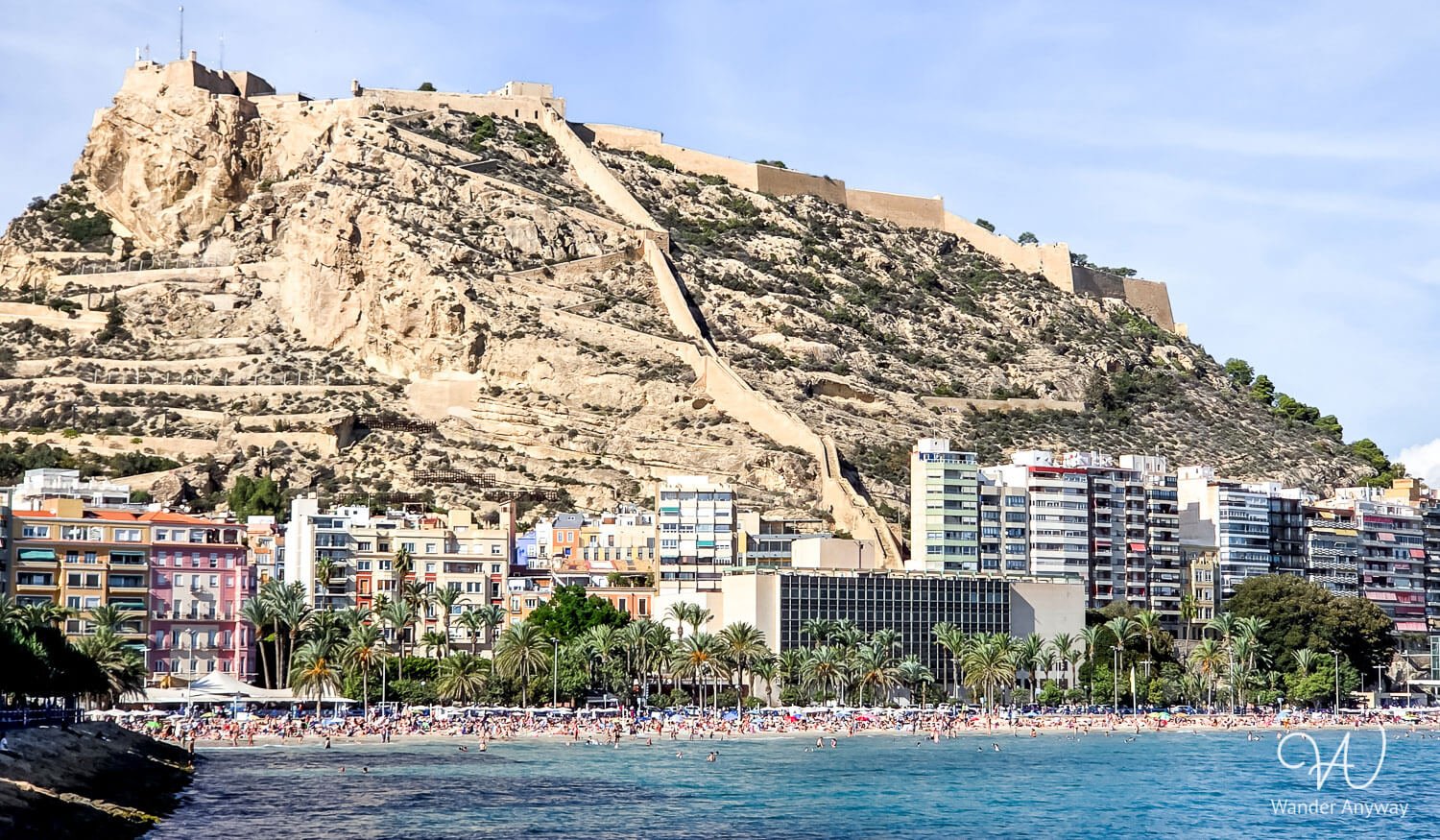
Passeig de l’Explanada d’Espanya runs along the waterfront, while Platja del Postiguet sits directly beneath the Castle of Santa Bárbara. In the historic center, the Basilica of Santa María and Alicante City Hall are easy additions to a walking route.
The Castle of Santa Bárbara is the main viewpoint above the city. We took the lift rather than walking uphill and spent some time exploring the castle and looking out over Alicante and the coastline. Check the current lift price and opening hours before visiting.
We also stopped at Alma Café for brunch, which fitted easily into the day between sightseeing.
Day 10: Guadalest and the Reservoir
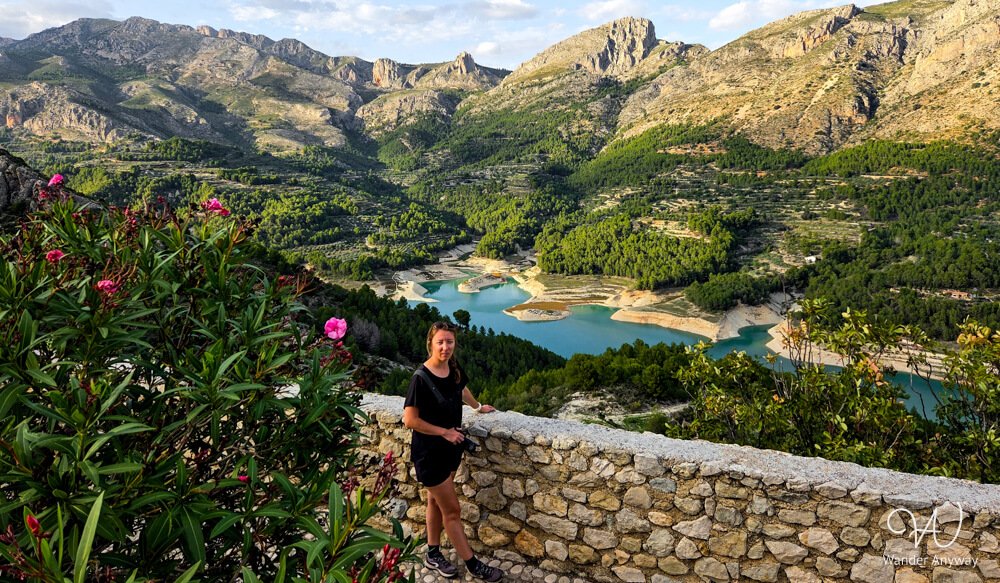
Guadalest is a small mountain village overlooking a turquoise reservoir and one of the most popular inland stops on the Costa Blanca. The historic village sits high above the valley, with viewpoints across the reservoir and surrounding mountains.
The reservoir below is worth considering as part of the visit rather than only seeing it from above. There are walking routes around the water, and kayaking offers a completely different view of the landscape.
This became especially useful when we arrived around midday and found Guadalest crowded with tour buses. Instead of exploring the village immediately, we drove down to the reservoir and rented a kayak for around 1.5 hours.
We returned to Guadalest at around 5 PM, when most of the crowds had disappeared. If you find the village busy when you arrive, this is one change to the itinerary that I would happily make again.
For more information on the village and reservoir, read my Things to Do in Guadalest guide.
Day 11: Moraira
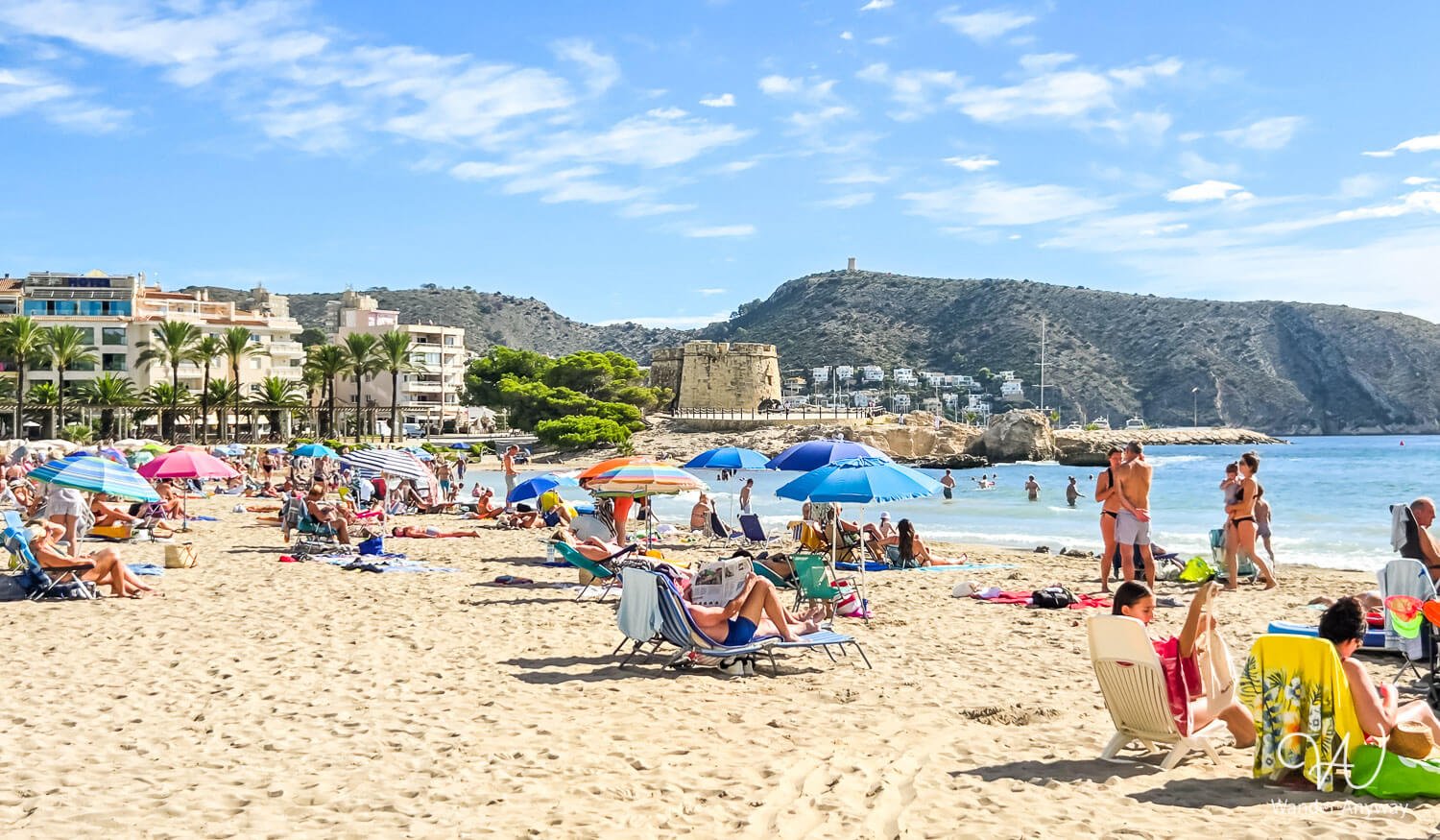
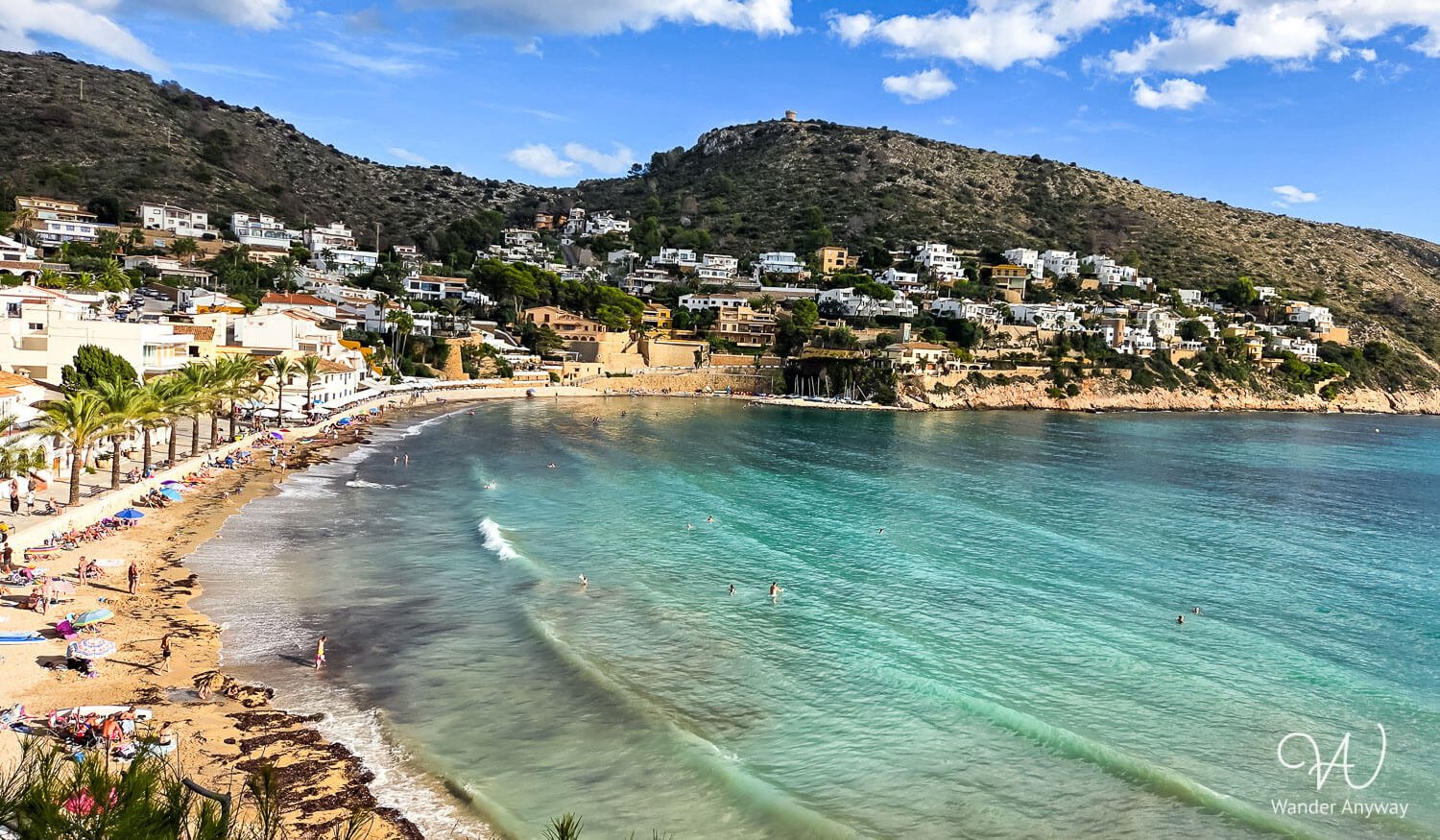
Moraira is smaller and more relaxed than many of the larger coastal destinations on this route. The town center, marina, and Platja de l’Ampolla are close together, while El Portet sits in a sheltered bay a short distance away.
El Portet was our favorite of the two. The smaller bay felt noticeably calmer when we visited, and we liked it enough to return later in the trip.
Moraira was also one of the places we kept talking about after returning home. It doesn’t require a long list of attractions, but it worked particularly well as a slower day between busier stops.
For more on both beaches, read my Costa Blanca beaches guide.
Day 12: Peñón de Ifach and Calpe
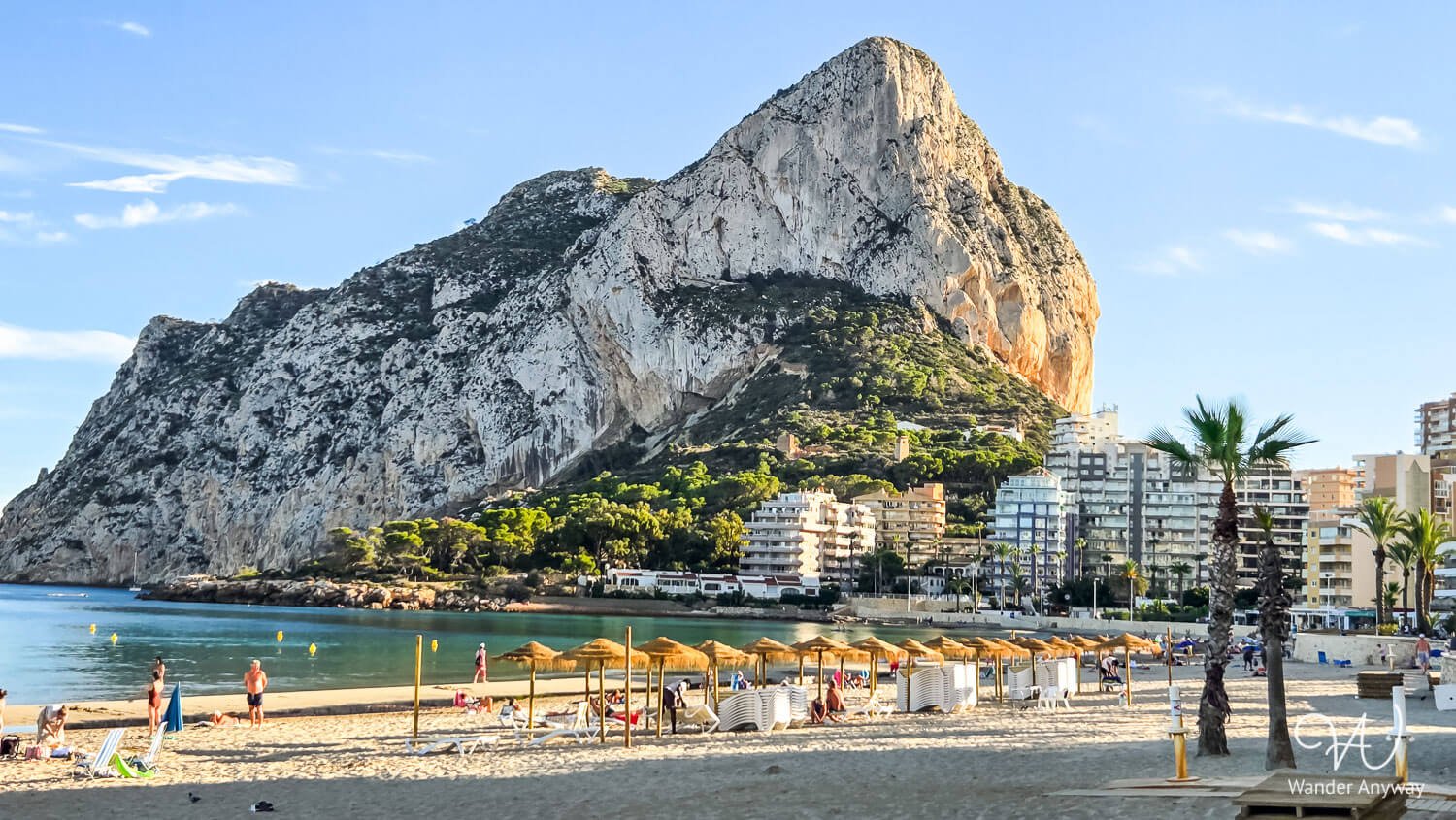
Peñón de Ifach is the defining landmark of Calpe and one of the best places on this itinerary if you want to include a proper hike. The trail climbs the enormous limestone rock above the coast, passing through a tunnel before becoming steeper and rougher on the way toward the summit.
The views open up dramatically as you climb, with Calpe and the Costa Blanca stretching out below. This was the most physically demanding day of our road trip, but also one of the highlights.
After the hike, La Fossa Beach is conveniently located on the northern side of the Peñón and makes an easy place to spend the rest of the afternoon. That’s exactly what we did before returning to Beniarbeig.
Access to the hike is free, but a reservation is required. We booked ours in advance, although nobody was checking reservations at the entrance during our October visit.
My Peñón de Ifach hiking guide covers the reservation, difficulty, route, and what to expect.
Day 13: Villajoyosa and Valor Chocolate Factory
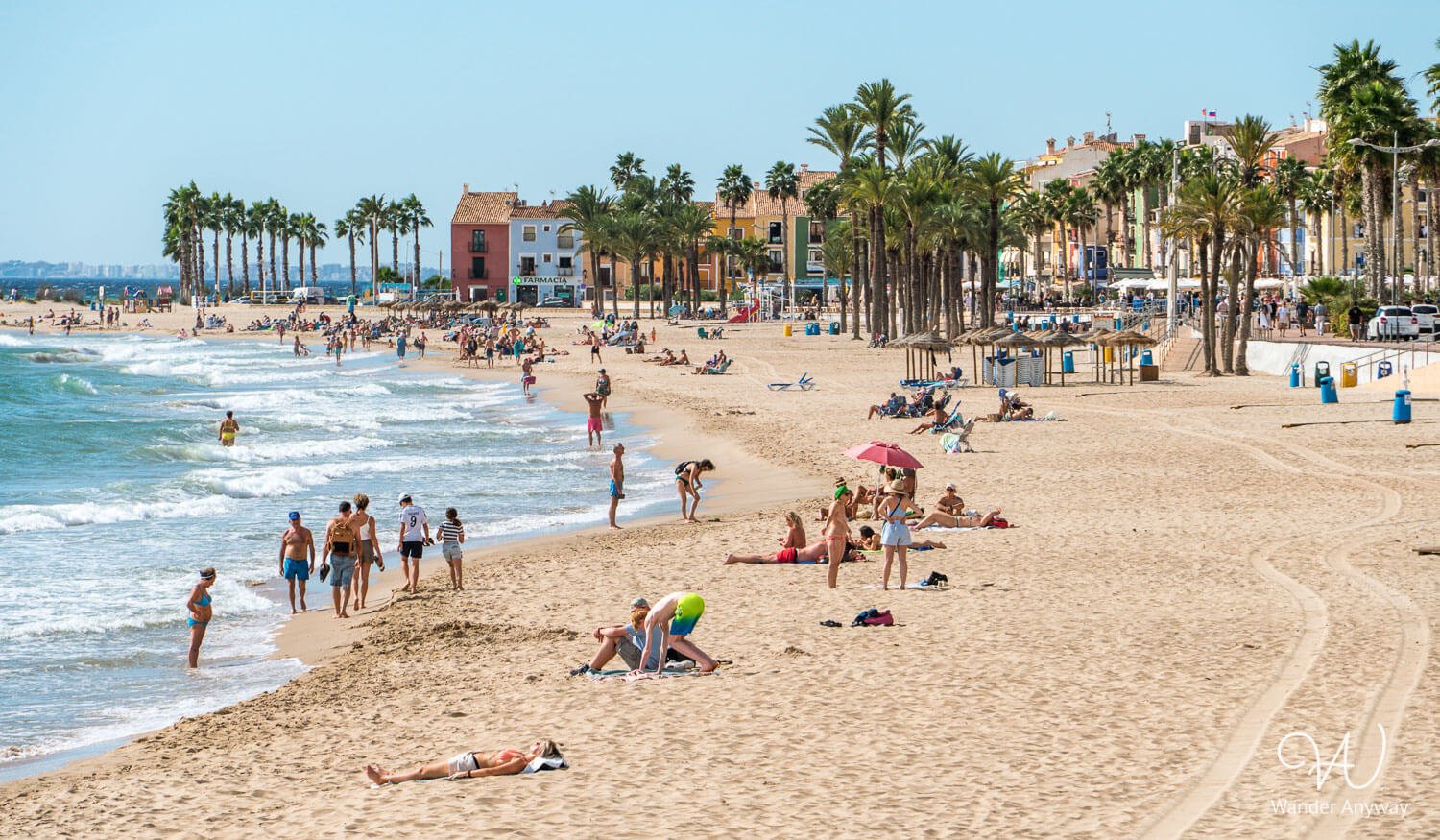
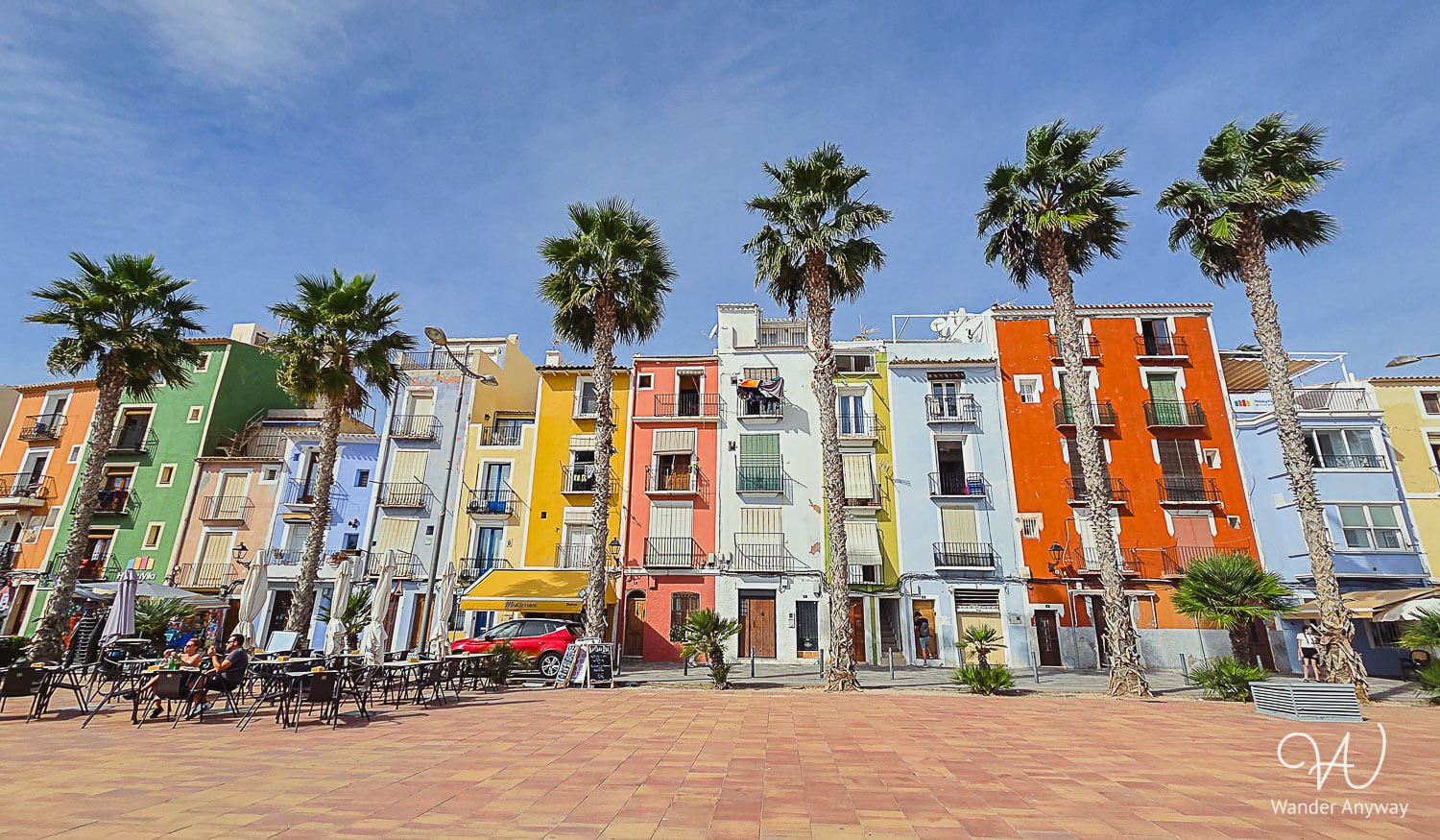
Villajoyosa is best known for the colorful houses lining its seafront, but the compact old town and long sandy beach make it an easy place to spend a few hours. Walk along the waterfront before heading into the streets behind it, where the town feels noticeably quieter.
We combined Villajoyosa with the Valor Chocolate Factory, which worked well as an afternoon stop. The tour covered the history of cacao and chocolate production, included a look at the factory floor and museum, and finished with a tasting and shop.
We left with chocolate and cacao powder to take home. Entry was free when we visited, but reservations were required, so check the current booking conditions before your trip.
Day 14: Cala Granadella, Cala del Moraig and El Portet
The northern Costa Blanca has several small coves surrounded by steep cliffs, making this one of the easiest days to dedicate almost entirely to beaches.
Cala Granadella is a compact cove enclosed by rocky hillsides. There was very little shade and it was extremely hot during our visit, even in October, so we only stayed for a short time.
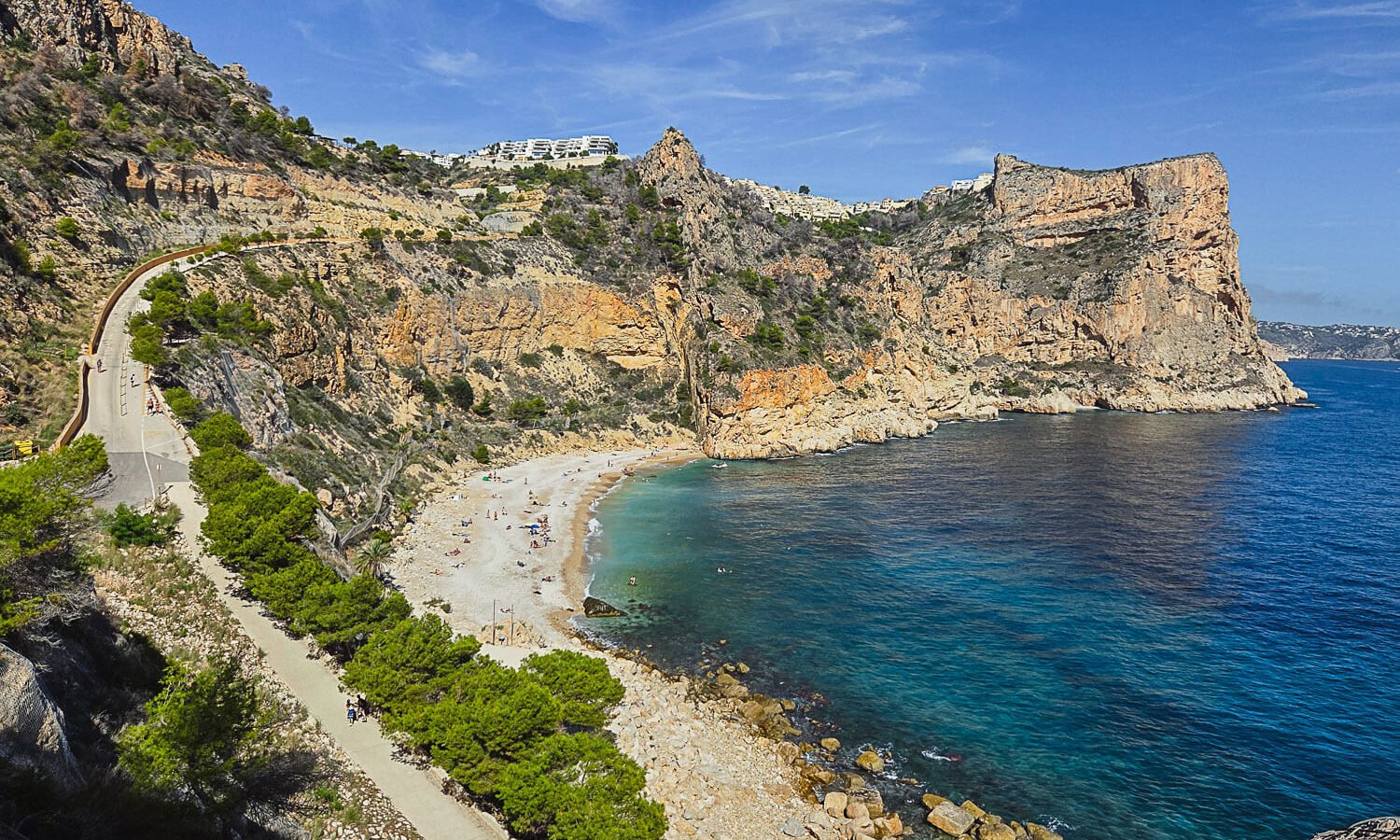
Cala del Moraig has a more dramatic setting, with limestone cliffs dropping toward deep turquoise water. Nearby Cova dels Arcs adds another reason to stop here. Of all the beaches we visited during the road trip, Cala del Moraig was our favorite.
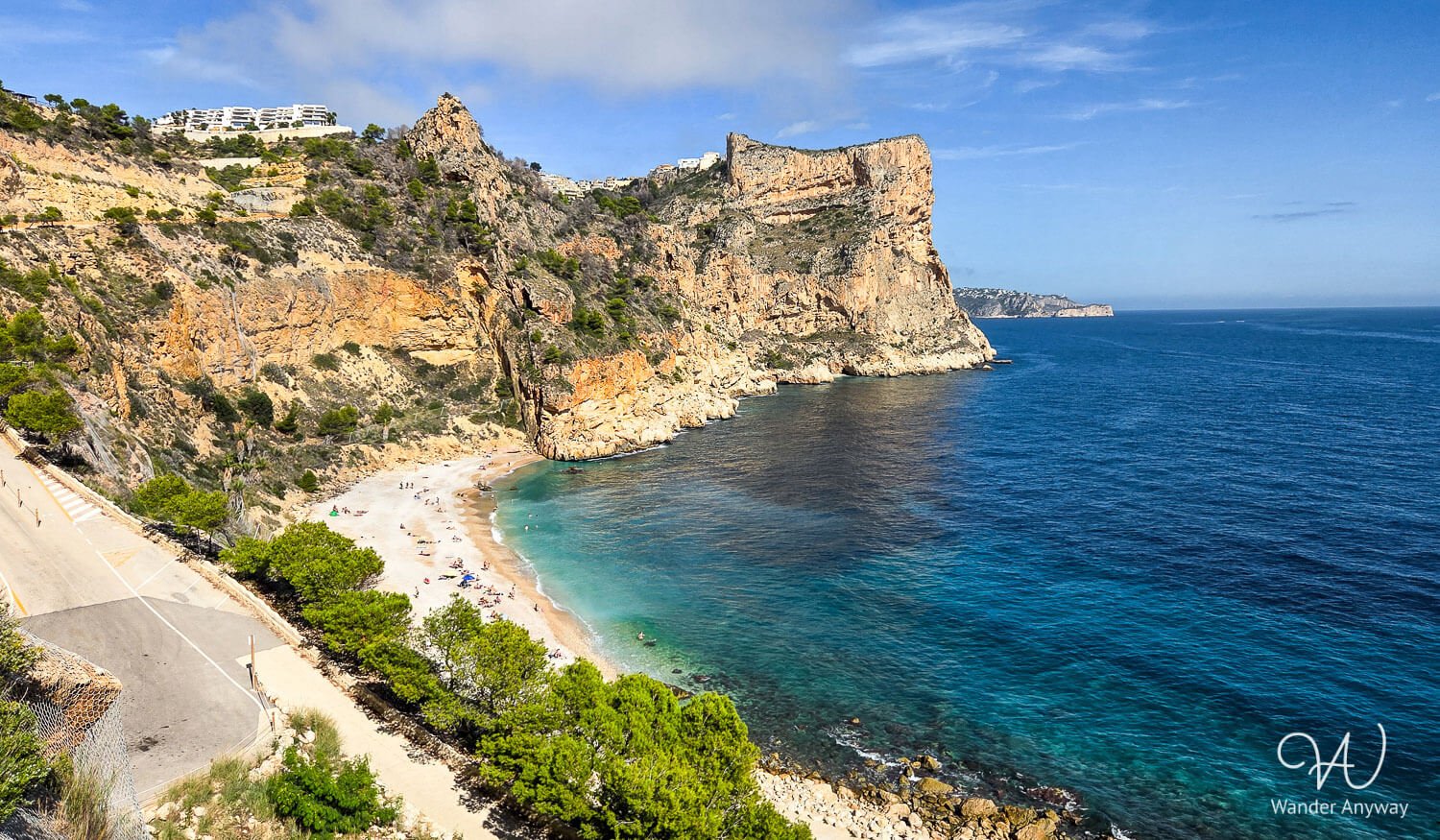
We finished at El Portet in Moraira. After the larger cliffs and exposed coastline around Cala del Moraig, its smaller sheltered bay made for a much calmer final stop.
Parking and access around these coves can change seasonally, so check the current arrangements before visiting, particularly in summer.
For more detail on these beaches, read my Costa Blanca beaches guide.
Day 15: Drive Back to Valencia
The final day is simply the return journey to Valencia. We returned the rental car at Valencia Airport, where the road trip had started two weeks earlier.
For us, there was no sightseeing planned for this day. After two weeks of day trips, it was useful to leave the final morning uncomplicated.
Driving time: Beniarbeig to Valencia Airport: around 1 hour
Driving the Valencia to Alicante Road Trip
The route covers quite a large area, but most of our daily drives were manageable. The longest was the trip from Chulilla to Chorreras del Cabriel, at around two hours each way.
Parking was generally easy during our October trip, and we didn’t pay for parking anywhere along the route. In many places, free parking was available a little farther from the main sights or beaches, while the closest and most convenient parking areas were often paid. Parking rules and access can also change seasonally, so check the signs when you arrive.
Practical Tips for This Road Trip
- Consider traveling outside peak summer. October worked particularly well for us. We could still swim, and most days were comfortable for exploring without the peak summer crowds.
- October was still surprisingly hot. We had some very warm days on the trails and beaches, so don’t assume you’ll need less water or sun protection just because you’re traveling outside summer.
- Check reservations before your trip. We booked our free Peñón de Ifach reservation in advance, but when we visited in October, no one checked reservations at the entrance. The Valor Chocolate Factory also required booking when we visited.
- Check opening hours for smaller attractions. We arrived too late for both Valencia’s Central Market and Mola Castle, so I’d plan this more carefully next time.
- Bring water shoes. They were useful on several of the pebble and rocky beaches along the Costa Blanca.
- Leave some flexibility in the itinerary. Guadalest was the best example for us. Changing our plan because of the crowds led to an afternoon at the reservoir that became one of the best parts of the day.
Frequently Asked Questions
How long does it take to drive from Valencia to Alicante?
The direct drive takes roughly two hours, depending on traffic and your exact start and end points. This itinerary deliberately stretches that journey over 15 days to include inland nature, hiking, towns, and beaches along the Costa Blanca.
What are the best stops between Valencia and Alicante?
Our favorites included Chulilla, Guadalest, Moraira, Calpe, and Cala del Moraig. They all offered something different, but Moraira was the place we most wanted to return to, while Cala del Moraig was our favorite beach of the trip.
If hiking is your priority, I would also put Peñón de Ifach and the landscapes around Chulilla high on the list.
Do you need a car for this road trip?
For this itinerary, I strongly recommend one. Valencia, Alicante, and some coastal towns are accessible by public transport, but many of the hiking areas, beaches, and smaller villages would be difficult to combine without a car.
Can you do this road trip in less than 15 days?
Yes. With around 10 days, I would keep Chulilla and the main Costa Blanca highlights but remove some individual day trips. With one week, I would focus mainly on the coast between Dénia and Alicante.
Is October a good time for a Costa Blanca road trip?
October worked very well for us. We could still swim, hiking temperatures were generally more comfortable than in summer, and many beaches were quieter.
However, some days were still surprisingly hot, particularly on exposed trails and beaches. Weather varies from year to year, so warm conditions aren’t guaranteed.
Is Beniarbeig a good base for exploring the Costa Blanca?
It worked well for our style of road trip. Accommodation was cheaper than in the coastal towns, and most places we wanted to visit were within reasonable driving distance.
If you want to walk to the beach every morning, I would choose somewhere on the coast instead. If you’re mainly looking for an affordable base for day trips, Beniarbeig is worth considering.
Final Thoughts
This Valencia to Alicante road trip worked because of its variety. Over 15 days, we moved between mountain trails, waterfalls, historic towns, dramatic cliffs, and turquoise beaches without constantly changing accommodation.
Some of the moments we remember most weren’t planned. We accidentally turned a short visit to Charco Azul into a longer hike, arrived too late to enter Mola Castle, changed our plans completely when Guadalest was crowded, and returned to Moraira simply because we liked it enough to go back.
Using Chulilla and Beniarbeig as two fixed bases gave us enough freedom to explore without turning the road trip into a constant cycle of packing and checking into new accommodation.
For us, that balance is what made the route work.