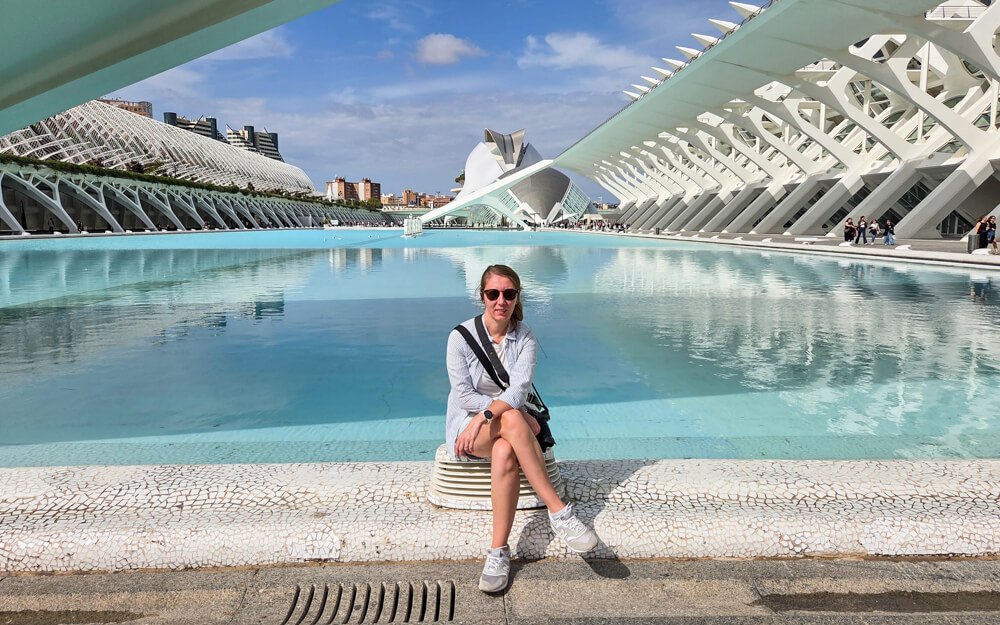
Valencia blends cutting-edge architecture with medieval history and sun-soaked Mediterranean beaches. Spain’s third-largest city offers some of the most memorable things to do in Valencia, Spain, from exploring futuristic museums in the morning to wandering Gothic streets at lunch and relaxing on golden sand by evening.
Whether you’re drawn to Santiago Calatrava’s otherworldly buildings, UNESCO World Heritage sites, or authentic paella by the sea, Valencia delivers experiences you won’t find anywhere else in Spain.
Planning your Valencia trip? This comprehensive guide covers the top 9 attractions, walking routes, opening hours, ticket prices, and insider tips to help you make the most of your visit.
My Valencia Walking Route: How to Explore the City
During my trip to Valencia, I began at the City of Arts and Sciences and followed a route toward the historic center. Altogether, I walked around 10–12 kilometers, stopping often for photos, lunch, and small breaks. This path works well as a full-day itinerary at a relaxed pace.
I visited Valencia’s beaches on a different day, and I strongly recommend doing the same. Separating the coastal areas from the city walk allows you to enjoy both without feeling rushed.
Best approach: Spend one full day exploring the attractions listed below, then set aside another half or full day for beach time and water activities.
1. City of Arts and Sciences (Ciudad de las Artes y las Ciencias)
Time needed: 4-6 hours (half to full day)
Budget: €15-40 depending on attractions
Combined tickets: Available for multiple venues
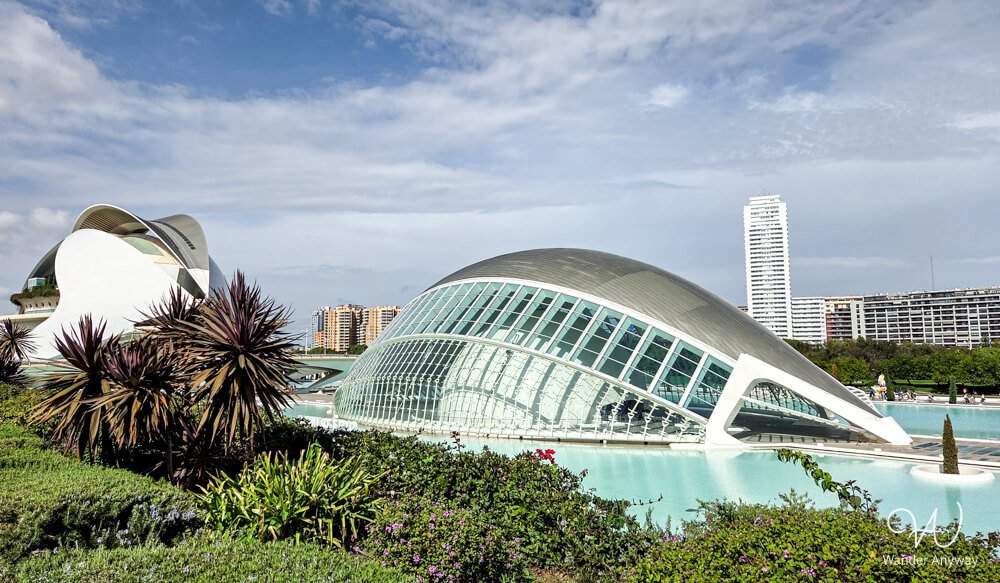
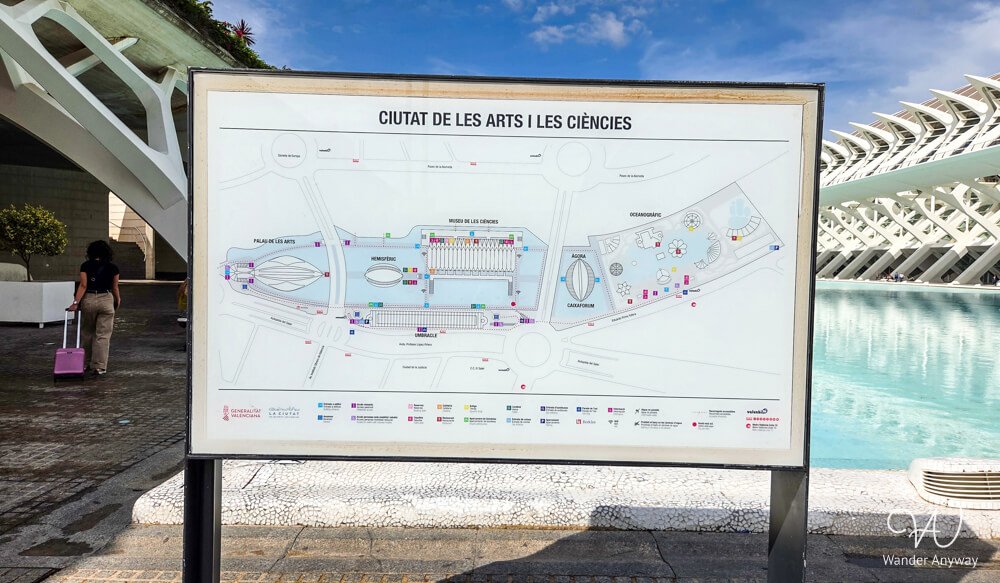
The City of Arts and Sciences ranks among Europe’s most impressive architectural achievements and serves as Valencia’s signature attraction. Designed by renowned architects Santiago Calatrava and Félix Candela, this futuristic complex stretches along the former Turia riverbed, where gleaming white structures rise above reflective turquoise pools.
This isn’t just one building; it’s an entire campus of cultural and scientific venues, each serving a unique purpose. Walking through feels like stepping onto a sci-fi movie set, where innovation meets artistic vision.
Pro Tip: Arrive early morning (before 10 AM) or late afternoon (after 5 PM) for the best lighting, fewer crowds, and stunning photo opportunities. The complex is particularly photogenic during golden hour.
Save money: Purchase combined tickets online in advance for discounts on multiple venues.
What to See Inside the City of Arts and Sciences Complex:
Oceanogràfic València
Entry: €35.90 adults / €26.65 children
Time needed: 3-4 hours
Europe’s largest aquarium recreates marine habitats from Arctic waters to tropical seas, housing over 500 species, including sharks, dolphins, penguins, and beluga whales. Architect Félix Candela designed the distinctive white roofs to resemble water lily petals floating above the pools.
Highlights:
- Underwater tunnels with 360-degree shark views
- Daily dolphin presentations (schedule varies seasonally)
- Antarctic penguin habitat
- Tropical ocean zone with sea turtles and rays
Pro Tip: Book your Oceanogràfic skip-the-line tickets in advance, especially during summer and holidays when queues can exceed 90 minutes. If you plan to visit more than one attraction, consider the combined Oceanogràfic + Science Museum ticket (€37.70), available here, or the full three-attraction pass (€44.00 for Oceanogràfic, Science Museum, and Hemisfèric), available here. Both options offer excellent value and save time at the entrance.
Opening Hours: Daily 10 AM – 6 PM (extended to 8 PM in summer)
Best time to visit: Weekday mornings before 11 AM
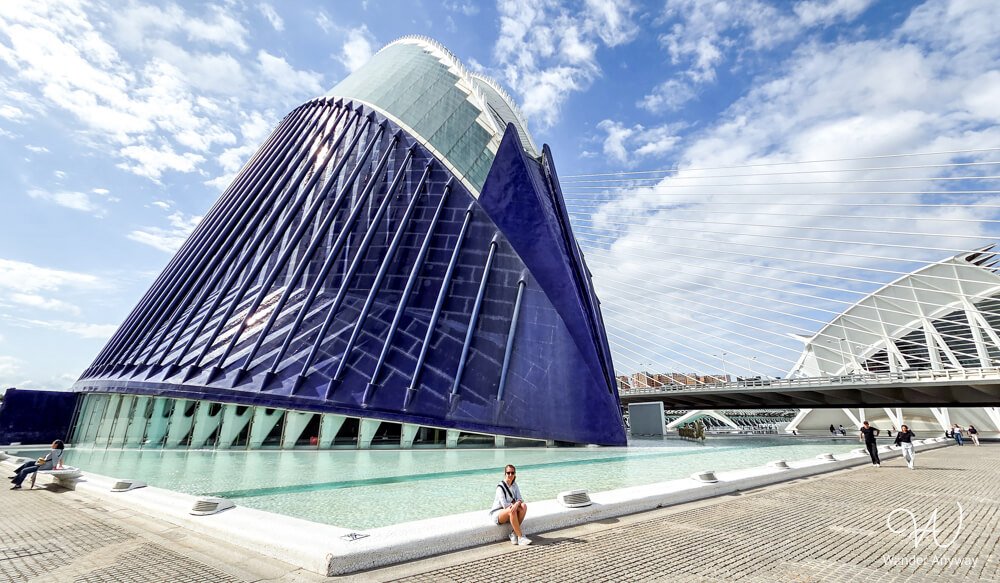
L’Àgora
Entry: Free exterior viewing / Variable for events
Time needed: 15-20 minutes (exterior)
This striking steel-and-glass structure hosts concerts, exhibitions, and sporting events throughout the year. However, even without an event, the building’s dramatic wave-like architecture and reflection pools create incredible photo opportunities.
Pro Tip: Walk completely around the building for different perspectives; the south side offers the best reflection shots.
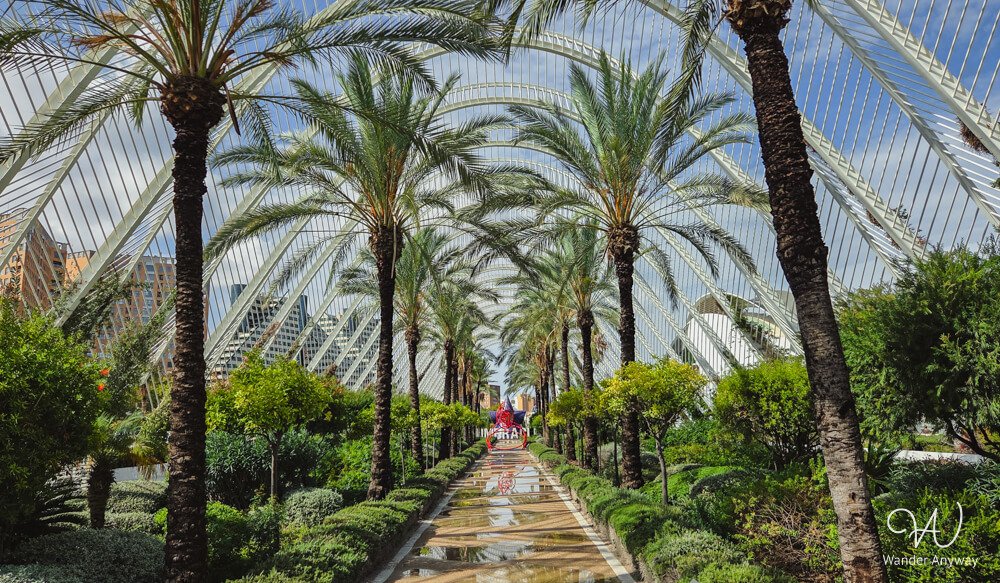
El Umbracle
Entry: Free
Time needed: 20-30 minutes
This free open-air garden walkway provides shade through white arches and features native Mediterranean plants, palm trees, and contemporary sculptures. The elevated path offers excellent views across the entire complex.
Hidden gem: In summer, El Umbracle transforms into a nightlife destination with rooftop bars and DJ events, a completely different experience from the daytime tranquility.
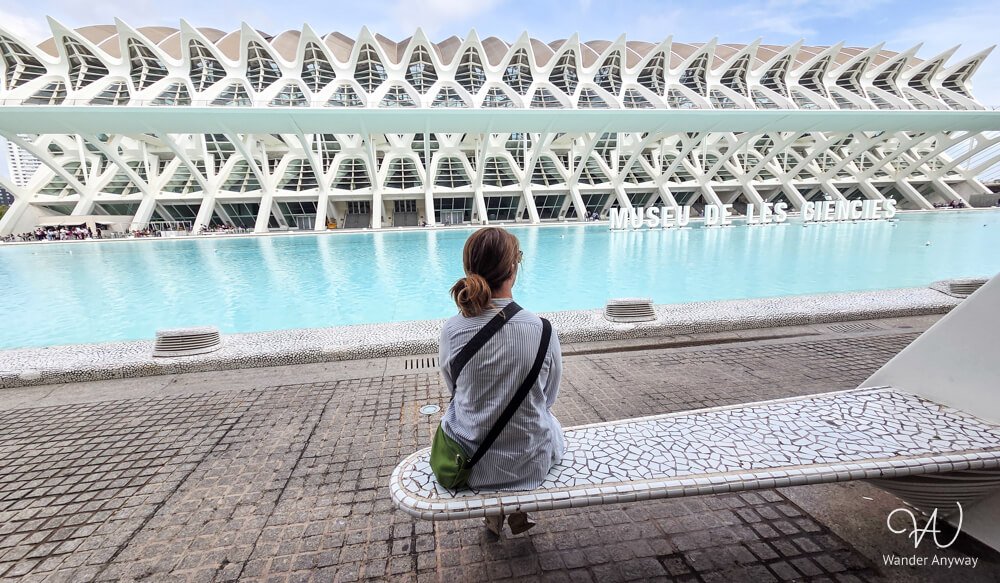
Science Museum Valencia (Museo de las Ciencias Príncipe Felipe)
Entry: €9.40 adults / €7.20 children
Time needed: 2-3 hours
The Prince Felipe Science Museum’s whale-skeleton architecture houses interactive exhibits on space exploration, genetics, technology, and human biology. Perfect for families and curious travelers, the hands-on approach makes science engaging for all ages.
Must-see exhibits:
- Zero Gravity exhibition
- DNA Forest interactive display
- Space exploration zone
- Foucault’s Pendulum in the main hall
Pro Tip: Save up to 20% by purchasing a combined ticket with Hemisfèric and Oceanogràfic.
Opening Hours: Daily 10 AM – 7 PM (until 9 PM in summer)
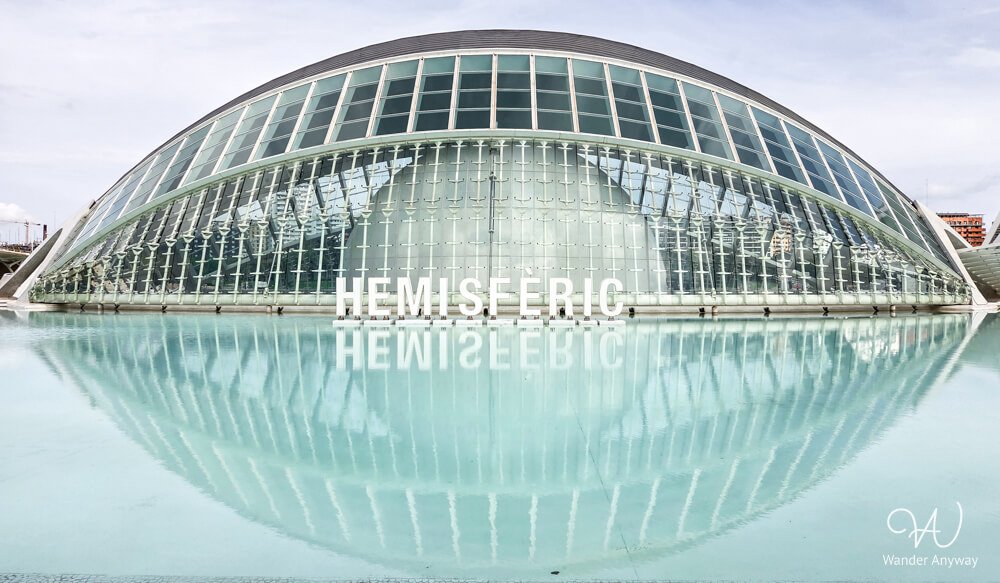
Hemisfèric
Entry: €8.80 adults / €6.90 children (per show)
Time needed: 45-60 minutes per show
This IMAX cinema and planetarium, shaped like a giant eye, creates one of Valencia’s most iconic images. The building’s “eyelid” actually opens and closes. A signature Calatrava touch that showcases his genius for blending form and function.
Show types:
- IMAX nature documentaries
- Planetarium space presentations
- Laser light shows (evening only)
Pro Tip: Shows start every hour. Arrive 15-20 minutes early for the best center seats. Check the schedule online as some shows are only in Spanish.
Opening Hours: Daily 10 AM – 8 PM / Shows vary by day
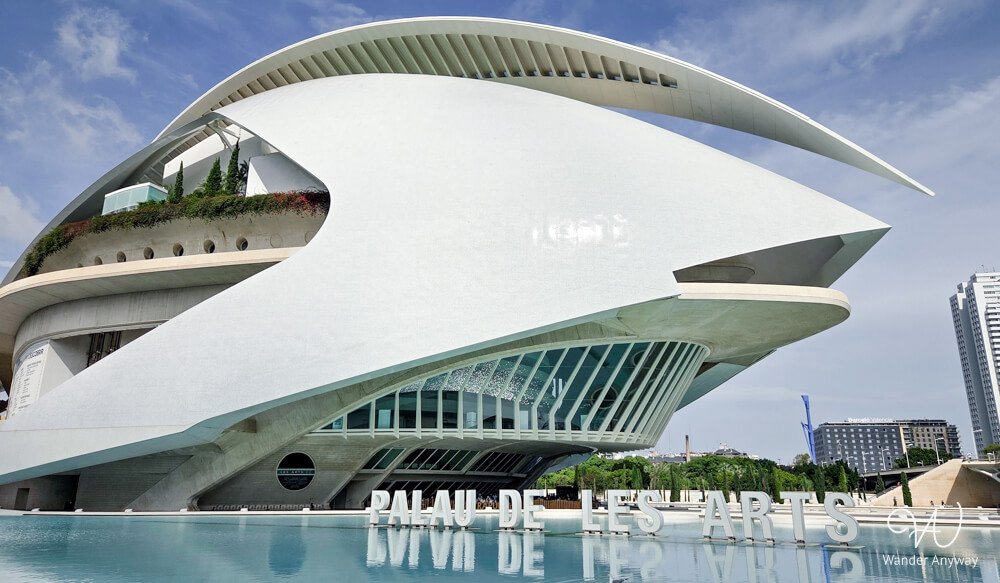
Queen Sofia Palace of Arts (Palau de les Arts Reina Sofía)
Entry: Free exterior / €20-150+ for performances
Time needed: 20-30 minutes exterior / 2-3 hours for performance
Valencia’s opera house resembles a futuristic ship or helmet, surrounded by shallow reflection pools. Inside, the venue hosts world-class opera, ballet, concerts, and theater productions with exceptional acoustics.
Pro Tip: Even if you don’t attend a performance, walk the exterior terraces for panoramic views of Valencia. For culture lovers, book opera tickets in advance as popular shows sell out quickly.
Opening Hours: Exterior accessible 24/7 / Performance times vary
Next Stop: Puerta del Mar (3 km away, 35 minutes walking or 10 minutes by bus line 95)
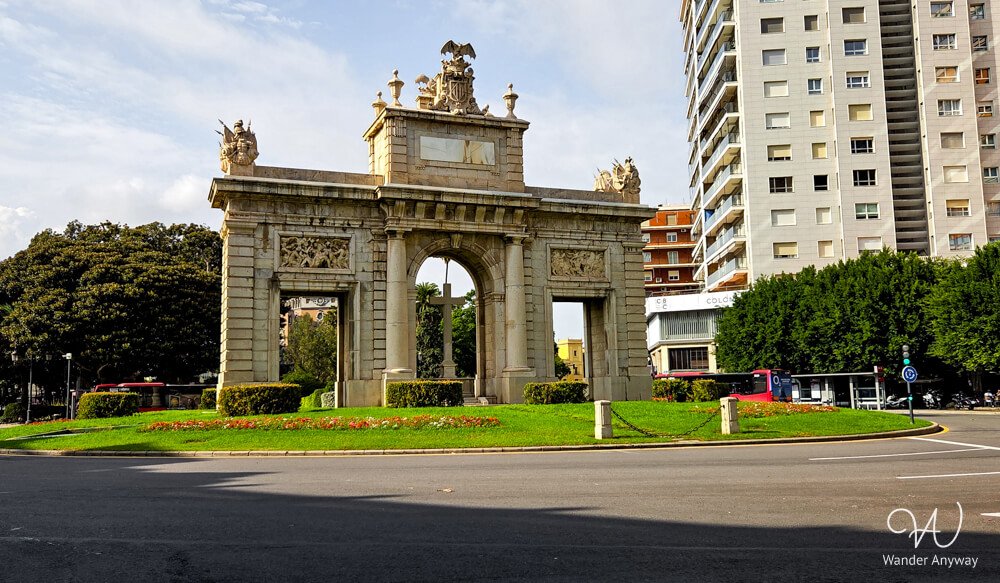
2. Gate of the Sea (Puerta del Mar)
Time needed: 10-15 minutes
Budget: Free
After leaving the City of Arts and Sciences, the Puerta del Mar serves as a symbolic gateway between modern Valencia and the historic center. Although the arch you see today dates back to the 1940s, its location recalls the medieval walls that once surrounded and defended the city. With fountains and small gardens framing it on both sides, the monument offers a calm and elegant stop as you move toward the Old Town.
Pro Tip: Visit after 7 PM when the arch is beautifully illuminated. The evening lighting creates dramatic shadows, perfect for architectural photography.
Next Stop: Plaza del Mercado (800 meters, 10 minutes walking)
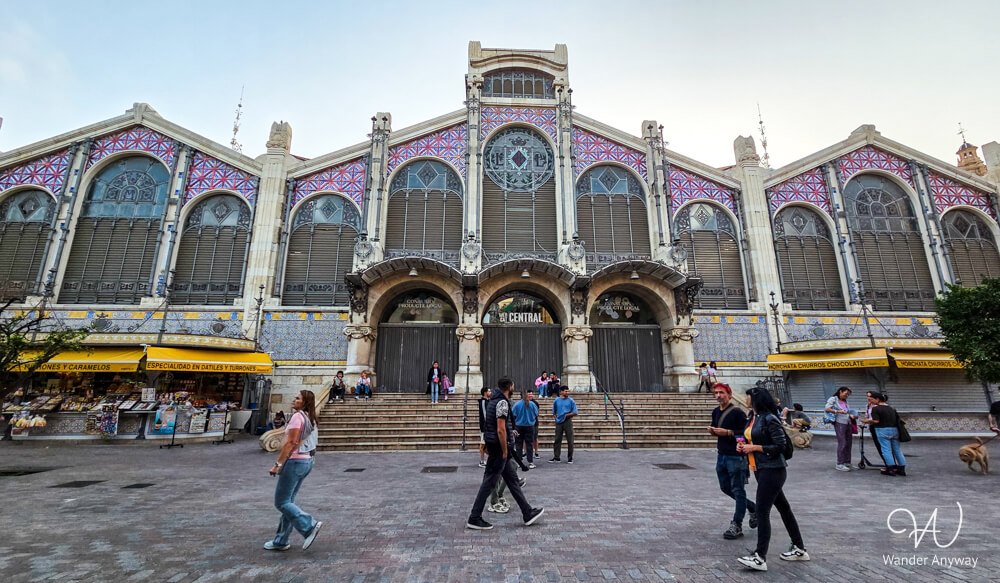
3. Plaza del Mercado & Central Market
Time needed: 45-60 minutes
Budget: Free entry / €5-15 for food samples
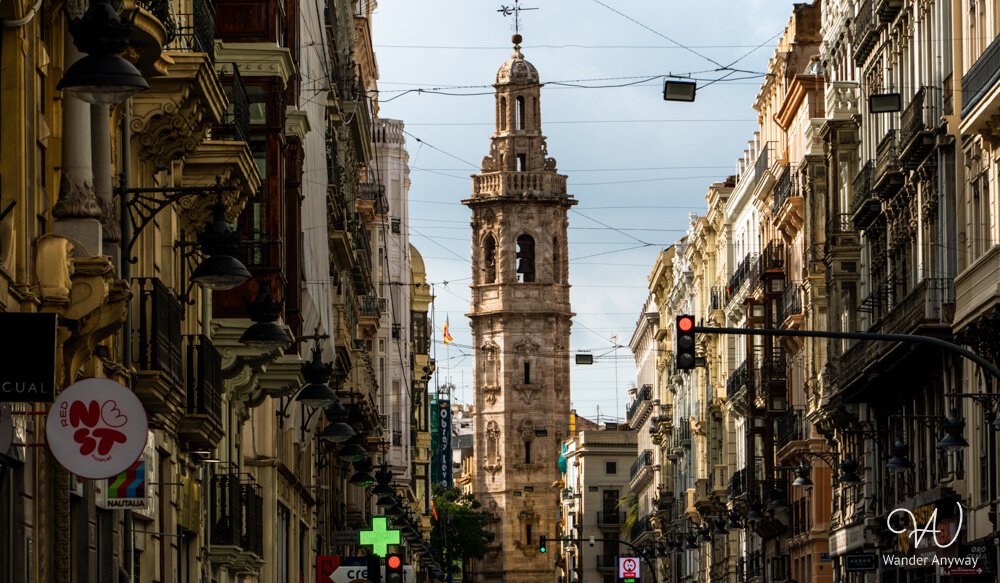
Plaza del Mercado is one of the liveliest corners of Valencia, a place where history, architecture, and daily life come together. Three remarkable landmarks surround the square: the Central Market, La Lonja de la Seda, and the Church of Santos Juanes, creating a striking mix of styles in a single glance.
Meanwhile, the Central Market, housed in an impressive Art Nouveau structure completed in 1928, is among the largest fresh-food markets in Europe. Inside, the hall glows with stained-glass details, decorative ironwork, and a grand dome that fills the space with natural light. Stalls overflow with seafood, Iberian ham, local cheeses, seasonal fruit, and the beloved Valencian horchata.
What to try:
- Fresh Valencia oranges (the city’s famous export)
- Iberian jamón samples
- Local cheeses from the Valencia region
- Horchata de chufa (traditional tiger nut drink)
Pro Tip: Arrive before noon for peak atmosphere when locals shop and vendors call out their deals. The market closes at 3 PM, so don’t arrive too late.
Opening Hours: Monday–Saturday, 7:30 AM – 3 PM (closed Sundays)
Next Stop: La Lonja de la Seda (200 meters, 2 minutes walking across the plaza)
4. Silk Exchange (La Lonja de la Seda de Valencia)
Time needed: 30-45 minutes
Budget: €2 adults / €1 students / Free on Sundays
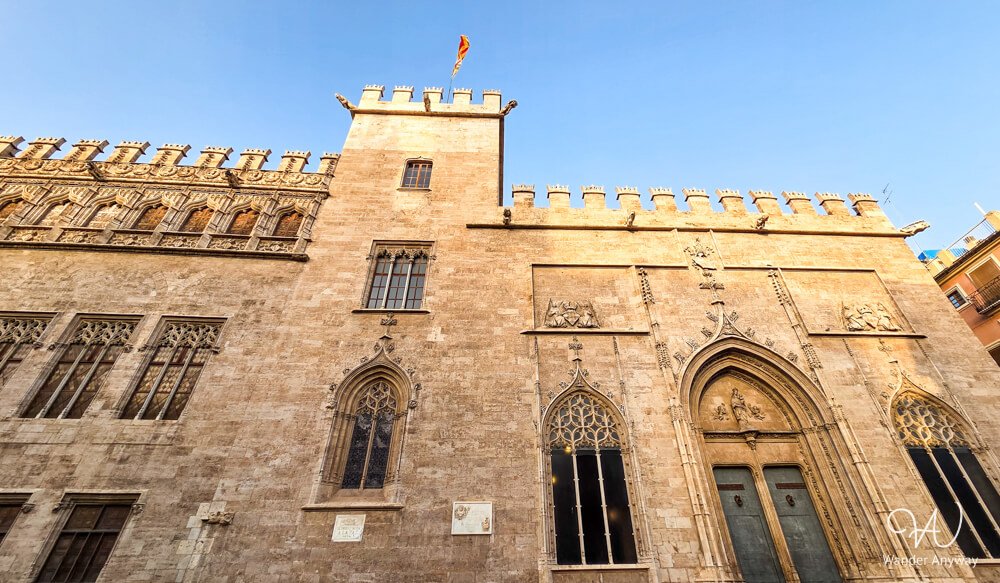
La Lonja de la Seda (Silk Exchange) stands as one of Valencia’s most culturally significant landmarks and a UNESCO World Heritage Site. Built in the late 15th century during Valencia’s golden age as a major silk trading hub, this Gothic masterpiece showcases some of Europe’s finest civil architecture from the period.
Architectural highlights:
- Sala de Contratación (Trading Hall) with twisted columns resembling palm trees
- Intricate stone carvings and gargoyle details
- Peaceful interior courtyard with fragrant orange trees
- Original wooden ceiling in the upper chamber
The graceful spiral columns in the main hall create an almost mystical atmosphere, while the orange-tree courtyard offers a tranquil escape from the busy streets outside.
Pro Tip: For deeper historical context, join a guided Old Town walking tour that includes La Lonja alongside other Gothic landmarks and explains Valencia’s medieval trading history.
Opening Hours:
Tuesday–Saturday: 10 AM – 7 PM
Sunday: 10 AM – 3 PM
Closed Mondays
Best time to visit: Weekday mornings for fewer crowds and better lighting through the Gothic windows.
5. Church of Saint Nicholas (Sant Nicolau de Bari i Sant Pere Màrtir)
Time needed: 30-45 minutes
Budget: €7 adults / €5 students (includes audio guide)
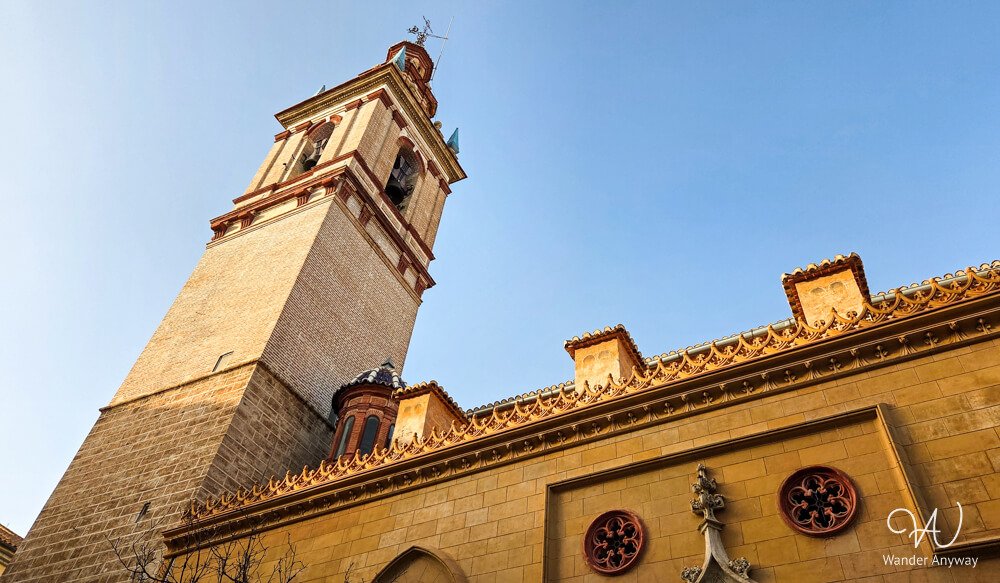
Often called the “Sistine Chapel of Valencia,” the Church of San Nicolás hides one of Spain’s most spectacular interiors behind its modest Gothic façade. Every surface walls, ceilings, and domes explodes with vibrant Baroque frescoes depicting biblical scenes in remarkable detail.
Fortunately, the church underwent extensive restoration (2016) that revealed these stunning 17th-century artworks, transforming it into one of Valencia’s most impressive cultural treasures. The contrast between the simple exterior and the riot of color inside creates a genuinely jaw-dropping moment.
Pro Tip: The included audio guide (available in 8 languages) significantly enhances your visit by explaining the frescoes’ symbolism and the restoration process. Allow 30-40 minutes to fully appreciate the details.
Photography: Allowed without flash. The lighting is designed to enhance the frescoes, making this an excellent spot for interior architectural photography.
Opening Hours:
Monday–Friday: 10:30 AM – 7 PM
Saturday: 10:30 AM – 6:30 PM
Sunday: 1 PM – 6:30 PM
6. Plaza del Carmen
Time needed: 30-45 minutes
Budget: Free / €3-8 for drinks
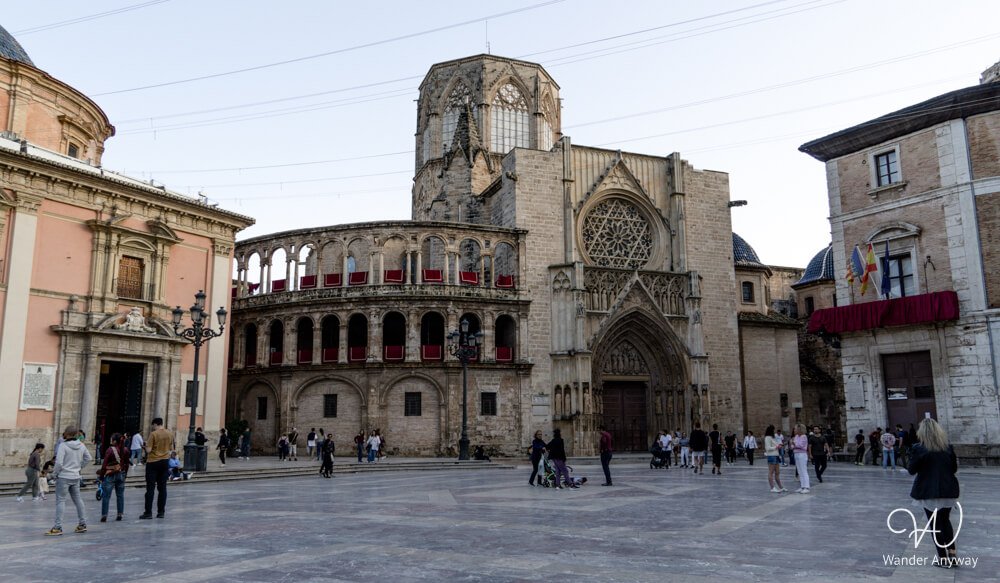
Plaza del Carmen captures the essence of Valencia’s Barrio del Carmen (El Carmen neighborhood), one of the city’s most atmospheric districts. This charming square seamlessly blends centuries of history with contemporary creative energy.
Surrounded by colorful building facades, street art murals, and outdoor café terraces, the plaza serves as a popular gathering spot for locals—especially during evening aperitivo hour when Valencians enjoy vermouth and tapas.
Nearby attractions:
- Centro del Carmen (CCCC) – Contemporary art museum in a restored 13th-century convent (FREE entry)
- Torres de Serranos – Medieval city gate towers (5-minute walk)
- Street art murals throughout Barrio del Carmen
Pro Tip: Visit in the evening (around 7-9 PM) when the square comes alive with locals enjoying outdoor terraces. It’s the perfect spot to experience authentic Valencian social culture.
Free culture: Don’t miss the nearby Centro del Carmen de Cultura Contemporánea, housed in a beautifully preserved former Carmelite convent. The contemporary art exhibitions change regularly, and entry is completely free.
7. House of Cats (Casa de los Gatos)
Time needed: 5-10 minutes
Budget: Free
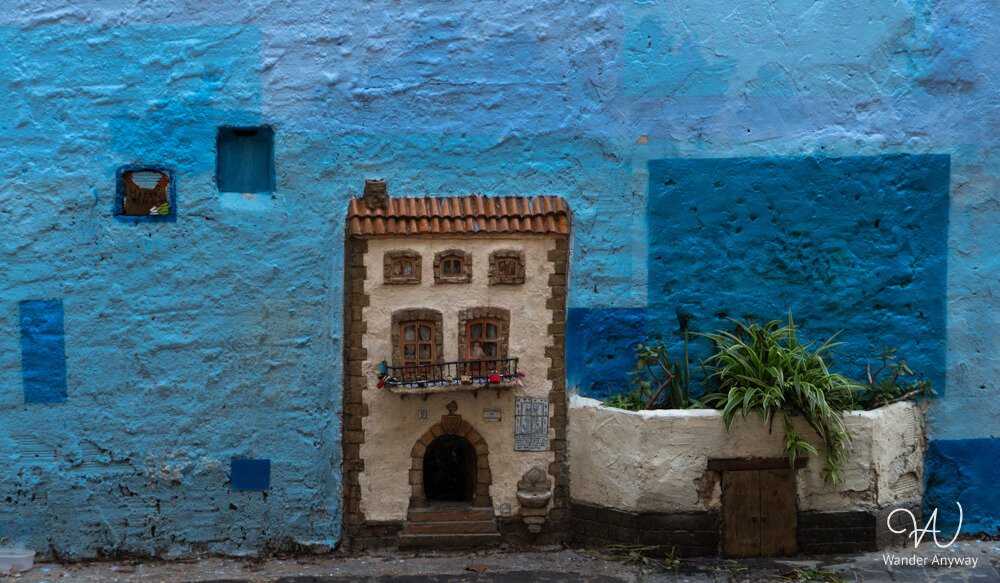
Hidden along Calle del Museo, the House of Cats (Casa de los Gatos) represents one of Valencia’s most charming, quirky landmarks. This tiny blue-and-yellow structure was created as a shelter for the neighborhood’s stray cats, a whimsical example of Barrio del Carmen’s playful artistic spirit.
The miniature house features detailed windows, tiny door signs, and ceramic decorations that delight visitors who take the time to find it. It’s easy to walk past, but discovering this hidden gem perfectly encapsulates the creative, slightly eccentric character that defines El Carmen.
Pro Tip: Look closely at the architectural details: the miniature windows, tiny ceramic tiles, and decorative elements showcase the care put into this community project. It’s become a beloved Instagram spot for visitors to Valencia.
Photography tip: Best photographed in morning light (10-11 AM) when the building’s façade is fully illuminated.
8. Bridge of the Sea (Puente del Mar)
Time needed: 15-20 minutes
Budget: Free
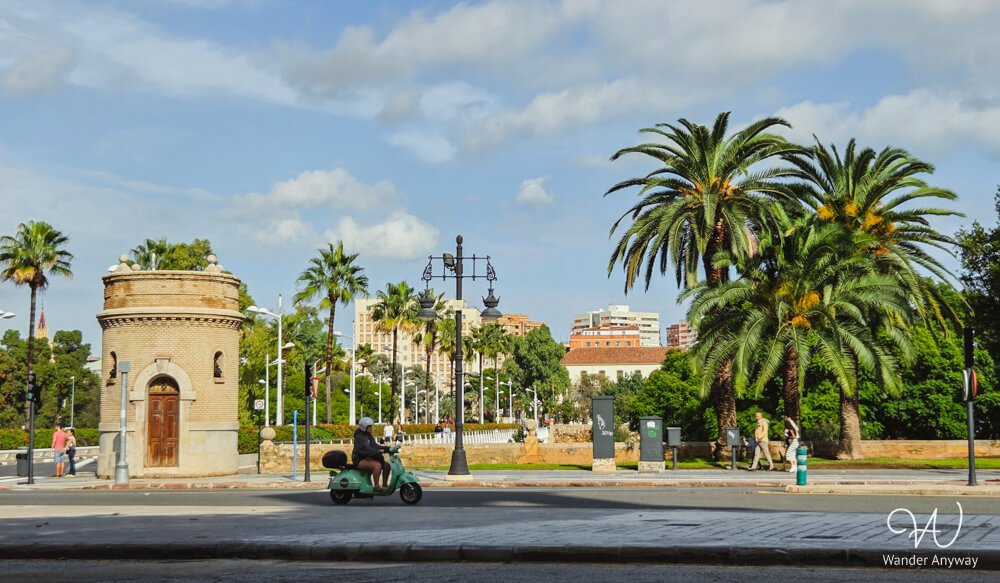
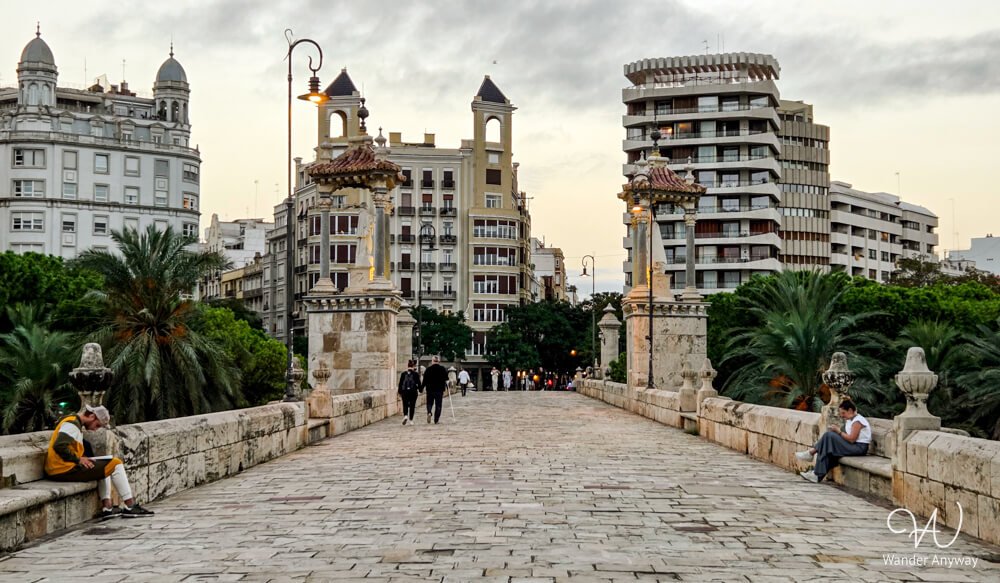
The Puente del Mar is one of Valencia’s most atmospheric crossings, and its history stretches back several centuries. The bridge we see today dates from the 16th century, though it no longer spans a river. After the major flood of 1957, the Turia River was diverted, and the former riverbed was transformed into the green corridor now known as the Turia Gardens.
Because of this redesign, the bridge became a pedestrian walkway, offering a peaceful route through the city. Traditional-style lamps line the bridge, creating a calm and elegant atmosphere as you cross above the Turia Gardens. From its midpoint, you can take in two contrasting views: the sleek, modern silhouettes of the City of Arts and Sciences on one side and the rooftops of Valencia’s historic center on the other. It’s a simple stop, yet it captures how the city blends old and new in a very natural way.
Pro Tip: Visit at sunset for warm golden light that illuminates the bridge’s stonework and creates perfect conditions for photography. The view toward the City of Arts and Sciences at dusk is particularly stunning.
Next Stop: Valencia’s beaches (3.5 km east, 40 minutes walking or 15 minutes by tram line 4/6 through the Turia Gardens)
9. Valencia’s Mediterranean Beaches
Time needed: Half day to full day
Budget: Free beaches / €10-25 for beachfront paella restaurants
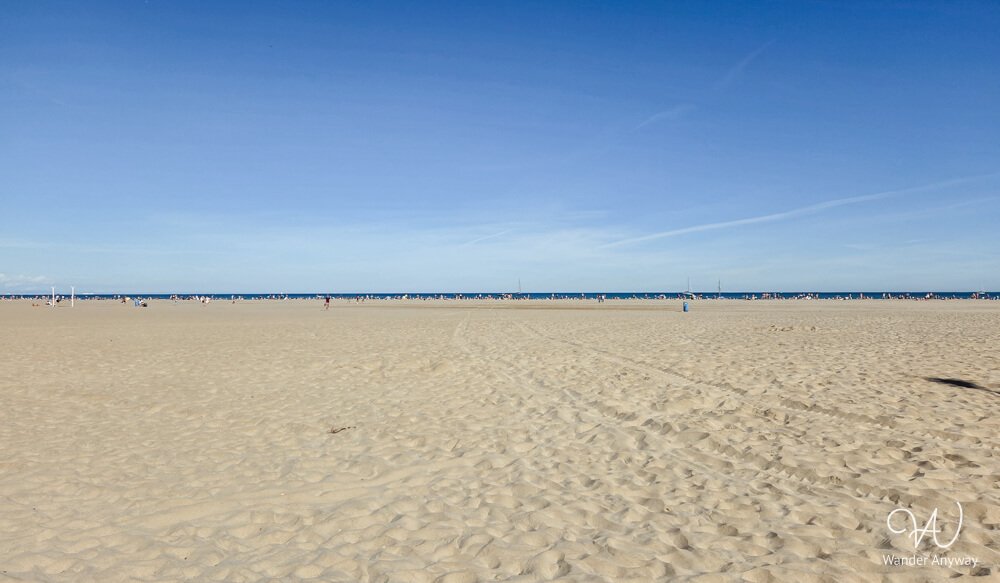
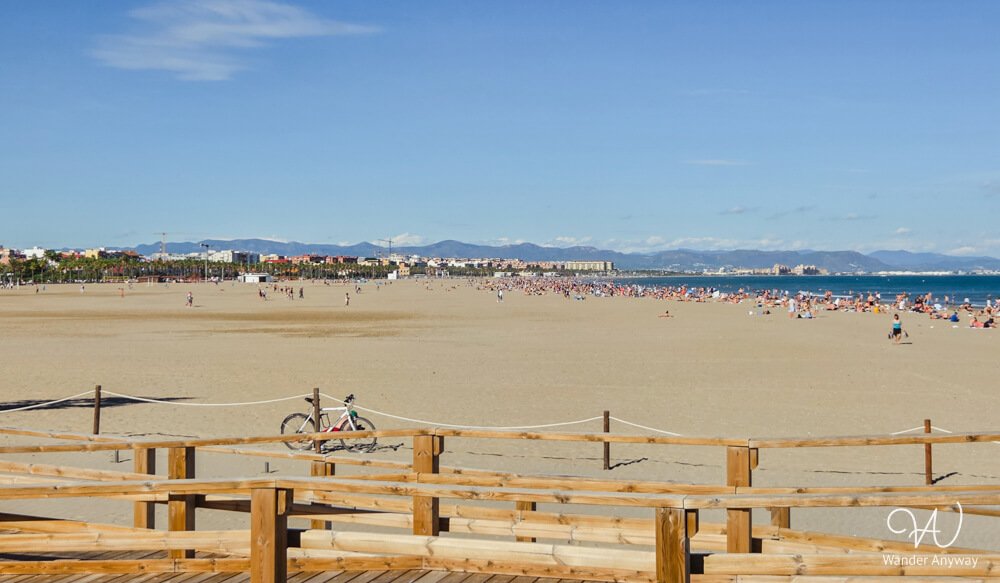
Valencia’s Mediterranean coastline offers nearly 4 kilometers of golden sand perfect for relaxation after days of sightseeing. The beaches connect seamlessly, creating one long coastal promenade ideal for walking, cycling, or simply unwinding by the sea.
Playa de la Malvarrosa
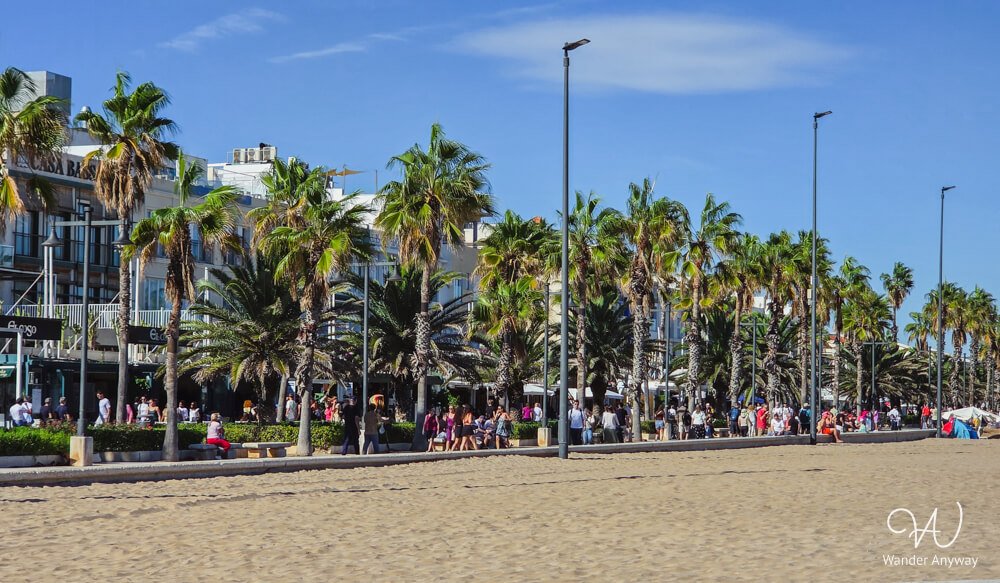
The most famous section, Playa de la Malvarrosa, ranks among Spain’s best urban beaches. Wide, clean, and backed by swaying palm trees, it features excellent amenities, including:
- Lifeguards during the summer season (June–September)
- Beach volleyball courts
- Water sports rentals (paddleboards, kayaks)
- Beachfront chiringuitos (beach bars)
- Seafood restaurants serving authentic Valencian paella
Paella tip: Valencia is paella’s birthplace. Try it at one of the beachfront restaurants for an authentic experience with sea views. Expect to pay €12-18 per person for traditional Valencian paella.
Playa del Cabanyal & Playa de Llevant
Alternatively, walking south from Malvarrosa, you’ll discover Playa del Cabanyal and Playa de Llevant, equally beautiful beaches with a more relaxed, local atmosphere and fewer tourists. The sand quality and water clarity match Malvarrosa, but you’ll find more space and tranquility, especially on weekdays.
Pro Tip: For the quietest beach experience, walk north to Playa de la Patacona. It offers the same wide sand and clean water but attracts fewer crowds, making it ideal for those seeking relaxation over the lively beach scene.
Parking: Free parking is available near the northern end of Malvarrosa (around Avenida de Neptuno), making it convenient to start your beach day from there and walk south.
Getting there:
Tram: Lines 4, 6, or 8 to “Les Arenes” or “Eugenia Viñes” stops (15 minutes from the city center)
Bus: Line 32 from Plaza del Ayuntamiento
Bike: Valencia’s bike-share system (Valenbisi) connects the Turia Gardens directly to the beach promenade
Practical Information for Visiting Valencia
Best Time to Visit Valencia
Valencia enjoys a mild Mediterranean climate, which makes it a great year-round destination. Even so, some seasons work better than others, depending on what you want to do.
- Spring (March–May): The ideal time for sightseeing. Days are warm, the city feels lively, and crowds remain moderate.
- Summer (June–August): Hot and busy, especially around the City of Arts and Sciences and the beaches. If you visit now, start early and stay hydrated.
- Autumn (September–October): Still warm, with fewer tourists and pleasant evenings — perfect for walking routes.
- Winter (November–February): Cooler and quieter, great for museums, architecture, and food, but too cold for most swimmers.
Festival highlight: Las Fallas (March 15–19). It’s unforgettable but extremely crowded, so book accommodation months in advance.
Getting Around Valencia
Fortunately, Valencia is compact, flat, and remarkably easy to navigate. Because most major sights lie close together, exploring on foot is often the simplest option. However, when distances increase, the city’s public transport network offers quick and reliable alternatives.
Metro & Tram
The metro and tram operate efficiently and connect key areas across the city. They are especially helpful when you want to reach the beach, the port, or neighborhoods beyond the historic center.
Buses
Valencia’s bus network covers the entire city and runs frequently. It’s a practical choice whenever the metro or tram routes don’t align with your plans.
Bikes
Since the city is flat and features numerous bike lanes, cycling is one of the easiest ways to get around. Valencia’s bike-share system, Valenbisi, is affordable and widely available, making spontaneous rides extremely convenient.
Walking
Many of Valencia’s best experiences occur on foot. The Old Town, the Turia Gardens, and most central attractions are easy to reach, and walking lets you enjoy the city’s lively streets at a relaxed pace.
Valencia Tourist Card
If you expect to use public transport several times a day, the Valencia Tourist Card can be a smart choice. It includes unlimited travel and provides discounts at selected museums and landmarks. You can choose 24-, 48-, or 72-hour passes depending on your itinerary.
Tip
For city travel, leave the car behind. Valencia’s narrow streets and limited parking make driving inconvenient, while the tramlines, bike paths, and pedestrian routes guide you smoothly from one attraction to the next.
Where to Stay in Valencia
Choose your base depending on your travel style.
- Ciutat Vella (Old Town): Best for first-time visitors who want history, restaurants, and nightlife at their doorstep.
- Eixample: Walkable, elegant, and full of excellent cafés, ideal for longer stays.
- Ruzafa: Trendy and creative, with boutiques, murals, and a more local atmosphere.
- El Cabanyal (Beach Area): Perfect if you want the sea, seafood restaurants, and a relaxed pace.
What to Eat in Valencia
Valencia’s food culture is simple, local, and tied to centuries of tradition. Trying the regional dishes is an essential part of understanding the city.
Paella Valenciana:
The original recipe comes from Valencia and uses chicken, rabbit, and local green beans. Traditional restaurants prepare it fresh for lunchtime, so this is the best moment to enjoy it.
Fideuà:
A coastal speciality similar to paella, but made with short noodles instead of rice. It’s usually cooked with seafood and has a rich, comforting flavor.
Horchata de chufa:
A sweet, cold drink made from tiger nuts. Locals often pair it with fartons, soft pastries perfect for dipping.
Agua de Valencia:
A popular cocktail made with cava, orange juice, and a touch of vodka and gin. It’s light, citrusy, and ideal for a warm evening in the Old Town.
Tip:
In Valencia, paella is a midday meal. Most locals eat it for lunch, not dinner.
FAQ: Valencia Travel Essentials
How many days do you need in Valencia?
Two to four days let you see the City of Arts and Sciences, explore the Old Town, and enjoy the beaches without rushing.
Is Valencia safe?
Yes. It’s one of Spain’s safest cities. Still, watch your valuables in crowded areas and at the beach.
Do you need Spanish?
Not necessarily. English is widely spoken in tourist areas. Learning a few basic phrases, however, is always appreciated.
Is Valencia worth visiting?
Absolutely. The mix of futuristic architecture, historic streets, Mediterranean beaches, and authentic food makes it one of Spain’s most rewarding destinations.
Final Thoughts: Best Things to Do in Valencia, Spain
Valencia is a city that rewards slow exploration. Its mix of futuristic architecture, historic streets, and wide Mediterranean beaches feels surprisingly balanced, never overwhelming. Walking from the City of Arts and Sciences into the Old Town showed me how naturally the city blends past and present.
If you have more time to spare, consider slowing the pace even further. Spend one day at the City of Arts and Sciences, another exploring the Old Town, and a separate day for the beach. This way, you can enjoy Valencia’s contrasts without feeling hurried. Good food, easy transport, and compact distances make the visit even more enjoyable.
In the end, Valencia isn’t about one big landmark; it’s about how comfortably everything fits together. And that’s what makes it worth returning to.
3 responses
3 pingbacks