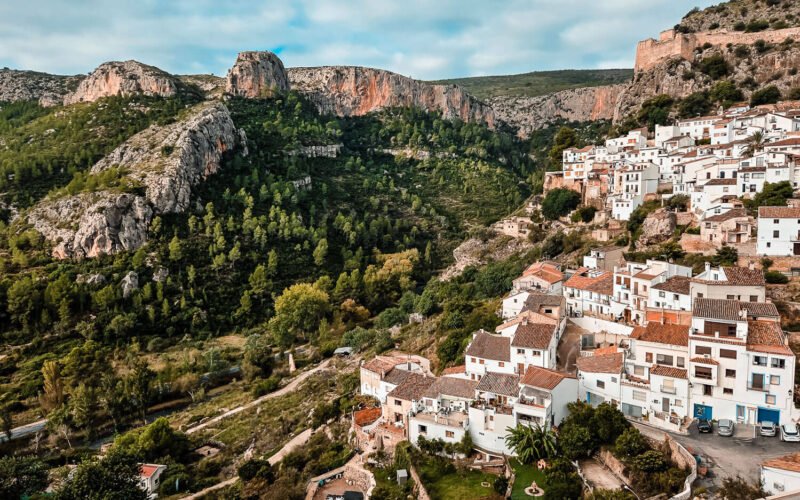
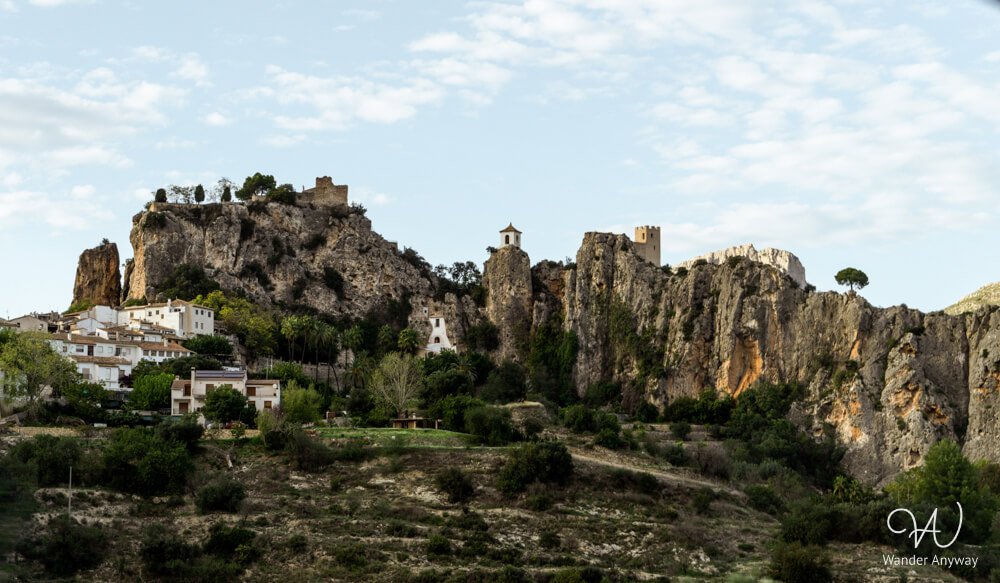
Things to do in Guadalest, Spain, go far beyond what you expect from such a small mountain village. High above the reservoir and surrounded by sharp mountain ridges, Guadalest shows its age through weathered stone paths, solid fortifications, and views that stretch across the entire valley. Despite its size, the village carries its own rhythm, with narrow alleys, stone archways, and viewpoints that open suddenly toward the turquoise water below.
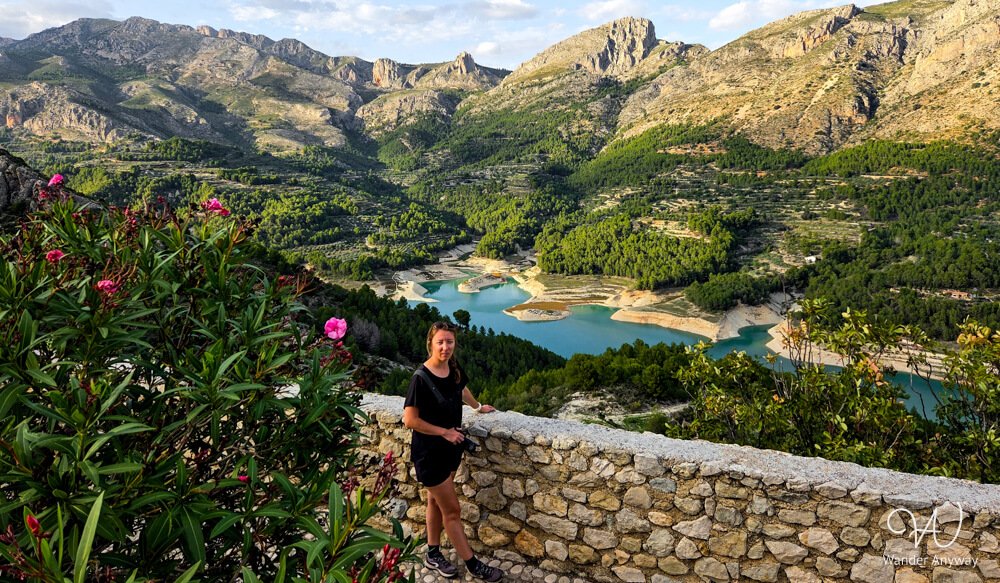
The contrast between rugged cliffs and bright turquoise water gives the place a striking atmosphere. Even though the village is compact, the scenery makes every stop feel purposeful, especially if you’re searching for the top things to do in Guadalest.
Why Visit Guadalest, Spain?
Guadalest is one of the most scenic villages in the Costa Blanca. Although small, it offers an impressive blend of nature, history, and culture.
Here’s why it deserves a place on your itinerary:
- Dramatic cliffside setting: The village rises from a rocky outcrop surrounded by high peaks.
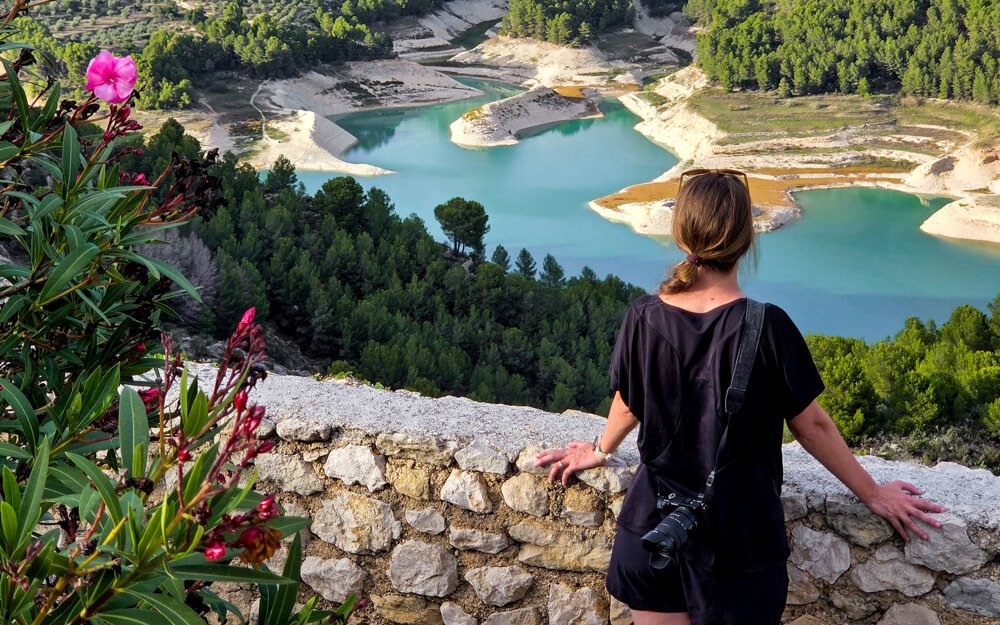
- Turquoise reservoir: The Embalse de Guadalest gives the valley its unmistakable color.
- Medieval charm: Stone alleys, archways, and traditional houses create a timeless feel.
- Historic castle: The fortress remains are worth the climb for panoramic views.
- A relaxed atmosphere: Compact, quiet, and ideal for slow travel.
- Easy access: A short drive from Benidorm, Altea, Alicante, and Calpe.
Altogether, Guadalest blends mountain silence with dramatic scenery, making it an essential stop for anyone exploring the top things to do in Guadalest.
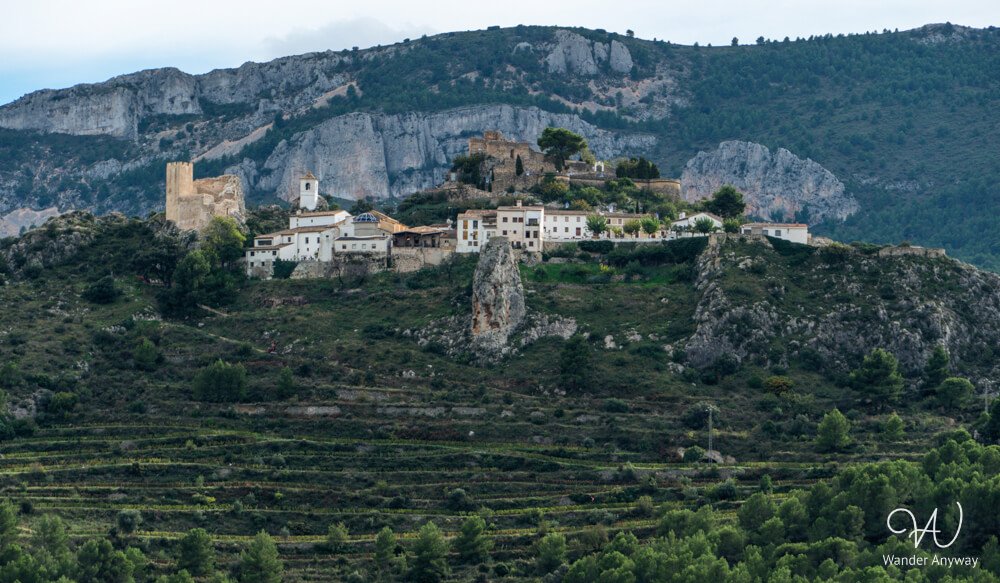
Best Things to Do in Guadalest
1. El Castell de Guadalest (The Castle)
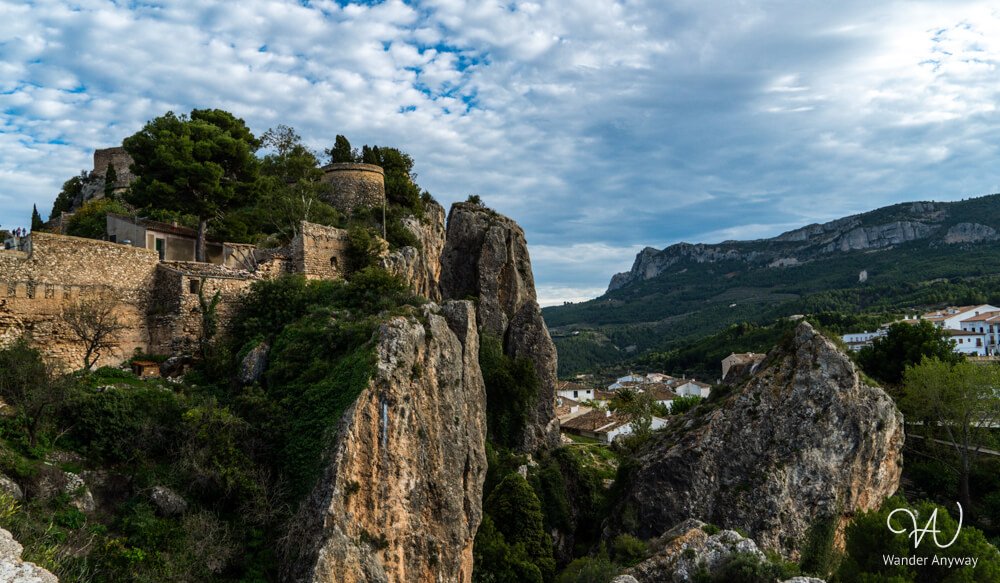
To begin, visit the village’s main attraction. The castle ruins sit perched dramatically above the valley, accessible through an ancient stone gateway. You can explore the remaining fortress walls and towers, and the viewpoints provide panoramic views that justify the climb.
2. The Bell Tower & Viewpoints
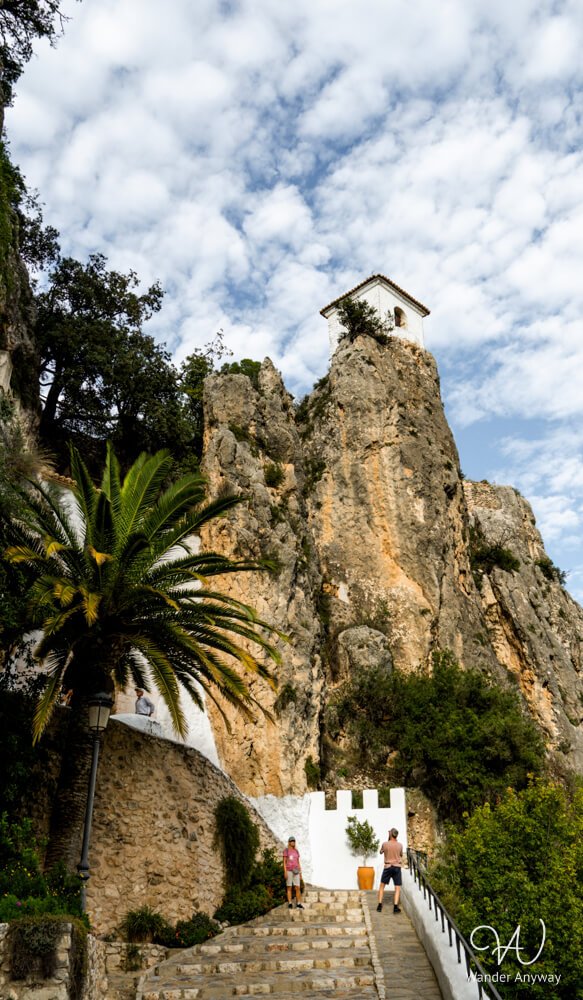
One of the most photographed spots in the Costa Blanca. The white bell tower sits on a separate rock, seemingly floating above the cliffs. Several terraces around the village reveal some of the best things to do in Guadalest, especially for photography enthusiasts.
3. Walk the Village Streets
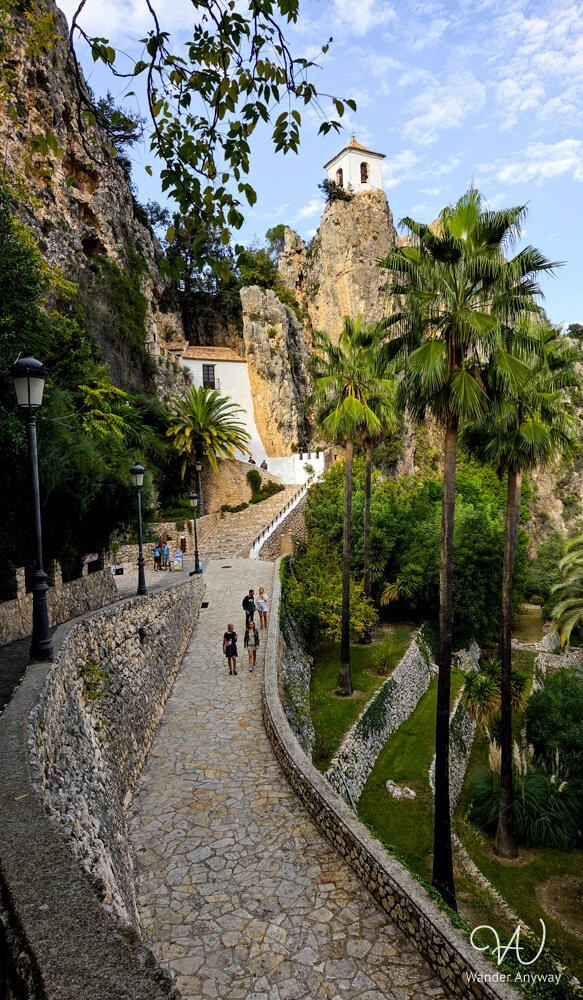
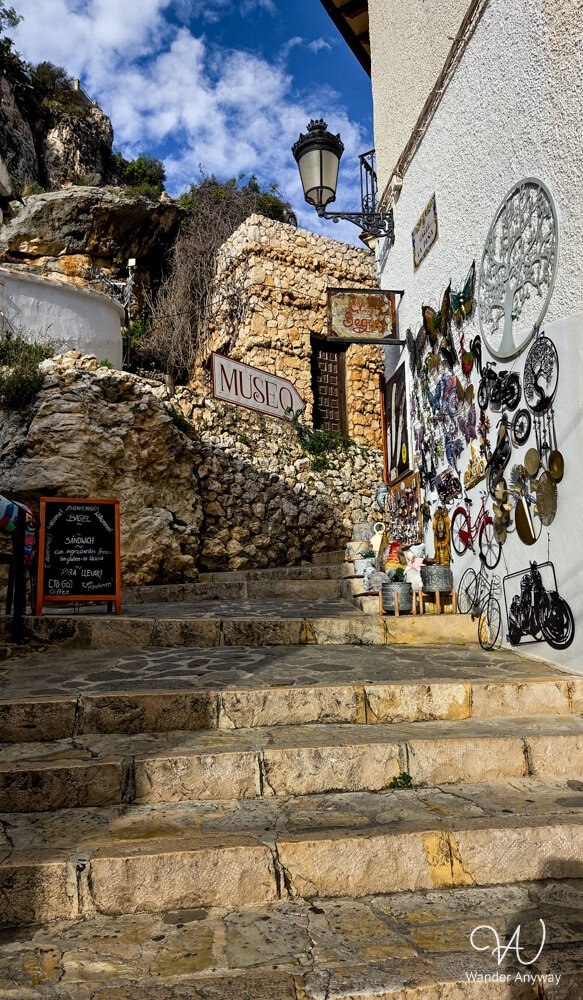
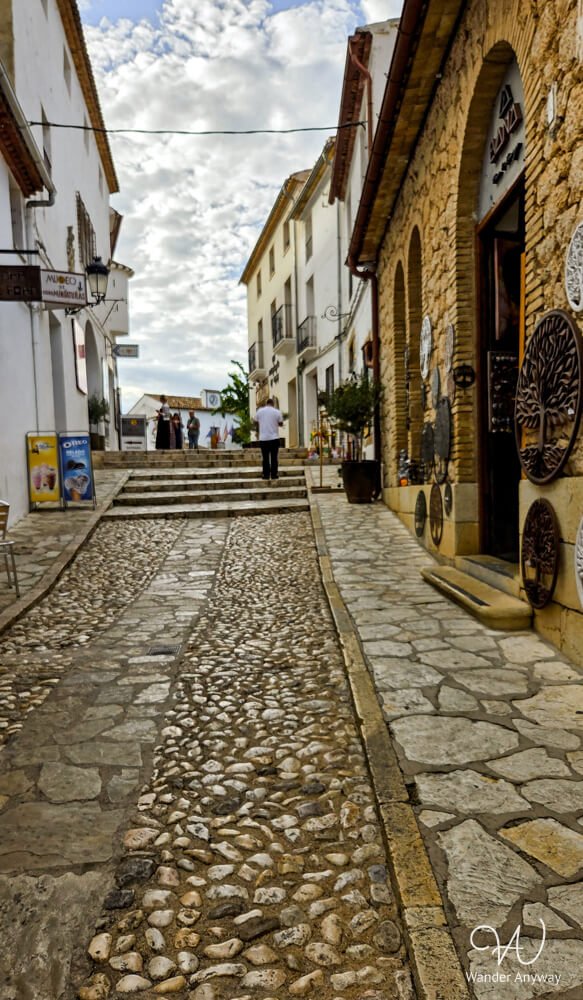
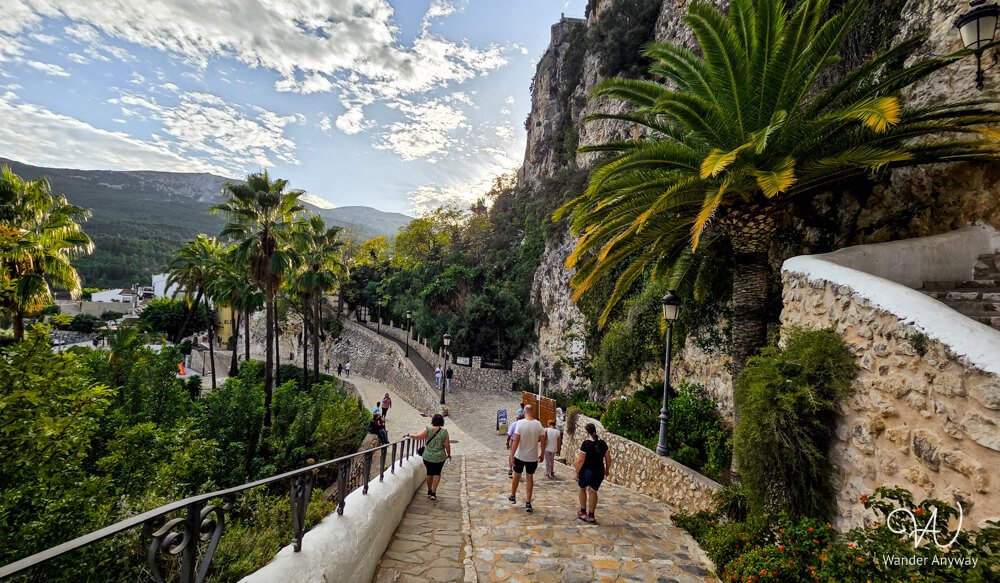
Next, take your time exploring the upper village. Narrow alleys wind between artisan shops, stone houses, and calm corners perfect for photography. The morning light creates an especially peaceful atmosphere throughout the medieval streets.
4. Visit the Local Museums
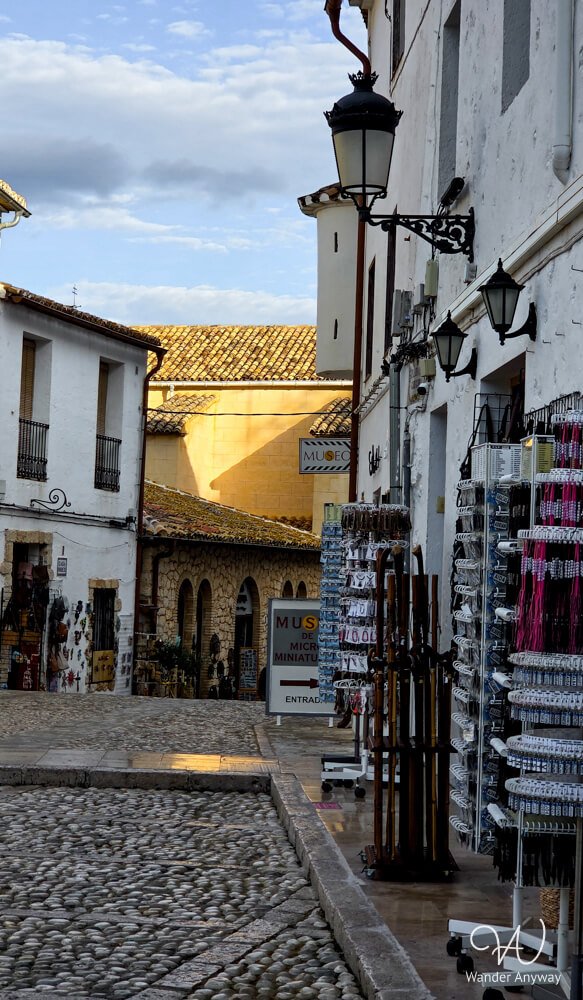
Guadalest is known for its unusual collection of small museums, eight in total, which is impressive for such a tiny village.
The most notable include:
- Microgiant Museum: Miniature sculptures viewable only under magnification
- Ethnological Museum: Traditional life and customs of the Guadalest Valley
- Salt and Pepper Shaker Museum: Over 20,000 pieces from around the world
- Medieval History Museum: Medieval instruments and historical exhibits
- Orduña House Municipal Museum: Stately home with access to San José Castle
- Nativity Scene and Dollhouses Museum: Artistic miniatures and antique toys
- Historic Vehicles Museum: Classic motorcycles and microcars from the 1920s to the 1970s
- Microminiature Museum: World-famous tiny art by Manuel Ussá
Museums generally open from 10 AM – 6 PM (winter) or 10 AM – 8 PM (summer), though schedules vary by season and individual museum.
Tip: With 8 museums in such a small village, Guadalest has earned the nickname “Village of Museums.” If you’re short on time or prefer outdoor experiences, the viewpoints and reservoir walks offer equally memorable experiences, all without the need for museum entry fees.
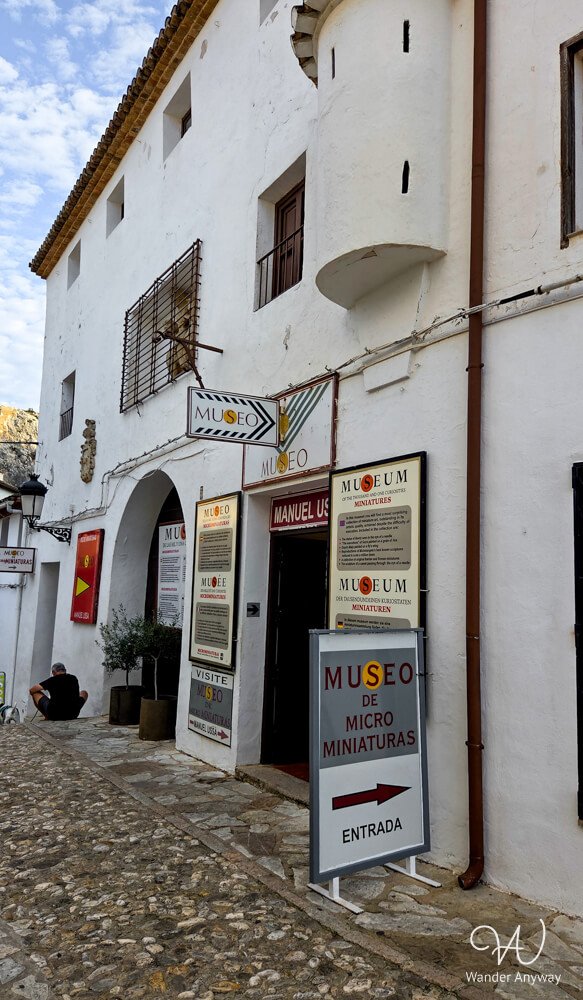
5. Embalse de Guadalest (Reservoir)
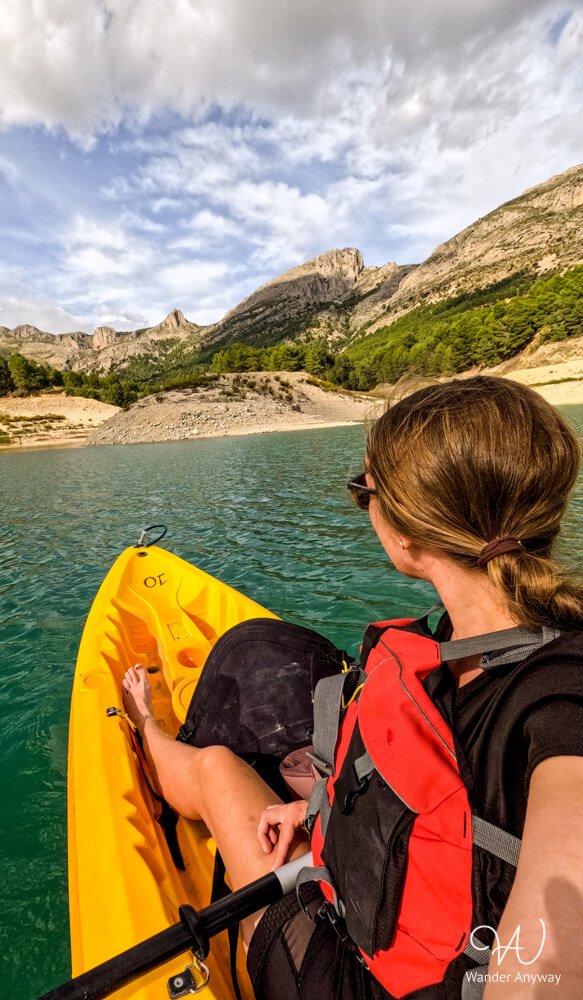
The turquoise reservoir sits directly beneath the village. You can view it from above or drive down for a closer look. In summer, the water becomes even brighter, creating postcard-worthy scenery.
Activities:
- Kayaking: Rent a kayak and enjoy views from the water (€15 for 1.5 hours)
- Reservoir loop walk: A 10-11 km trail circles the entire reservoir (approximately 3-4 hours)
- Swimming: Refreshing but often cold, even in summer
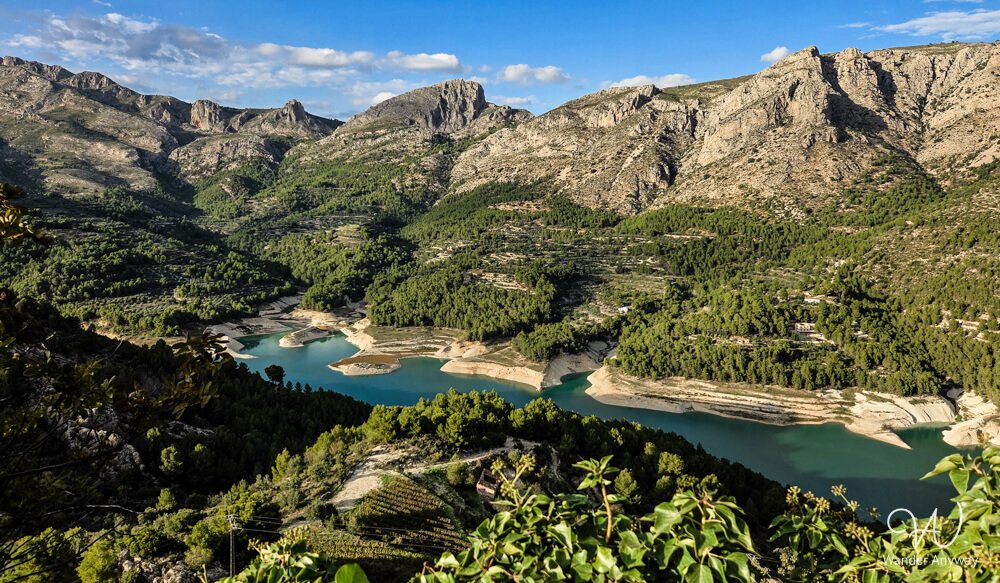
6. Scenic Photos Everywhere
Guadalest is extremely photogenic. Sunrise and late afternoon offer the warmest, most flattering light across the cliffs and rooftops.
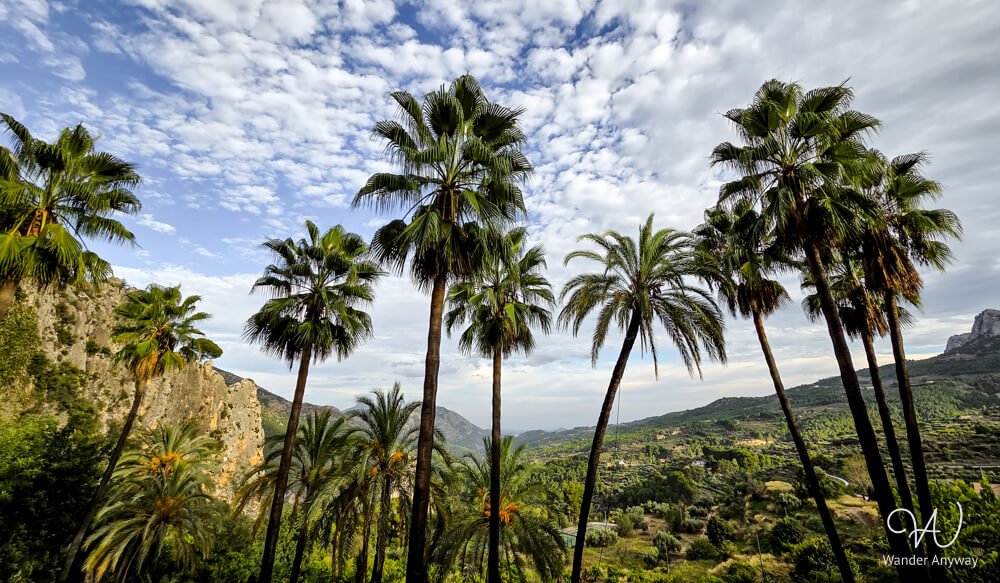
My Experience Visiting Guadalest & the Reservoir
During our Spain road trip, we added Guadalest to the itinerary and visited it in October. We arrived just after midday, and both parking areas were already full, with multiple tourist buses gathered near the entrance. Since the village felt crowded, we decided to adjust our plans and drive to the reservoir instead.
That choice made all the difference.
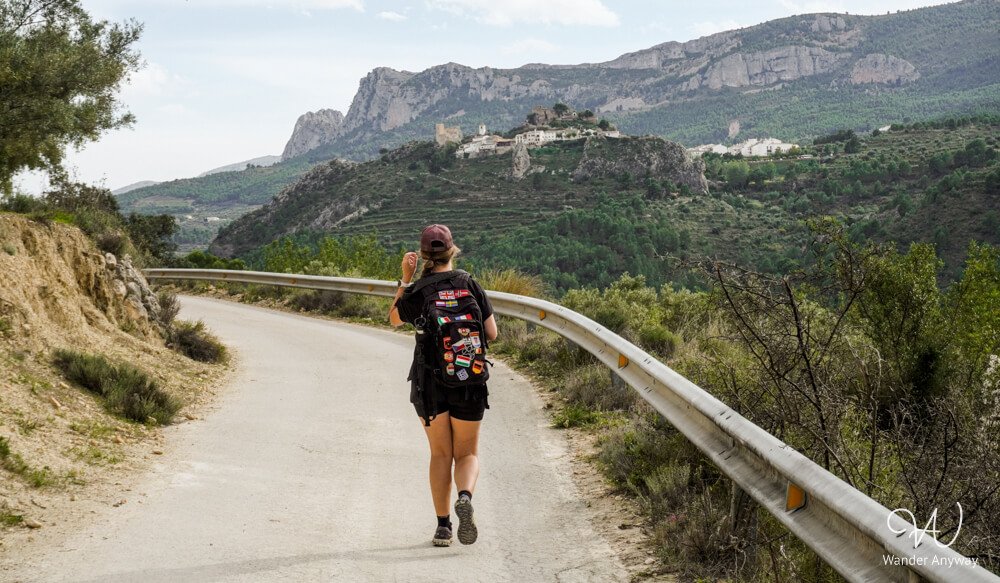
We began with a short lakeside walk, enjoying the turquoise water and the quiet mountain backdrop. You can walk only a short stretch or, if time allows, complete the entire 10–11 km loop around the lake. We chose the full walk and stopped halfway to rent kayaks (€15 for 1.5 hours). The calm water and striking views made it one of the highlights of our visit.
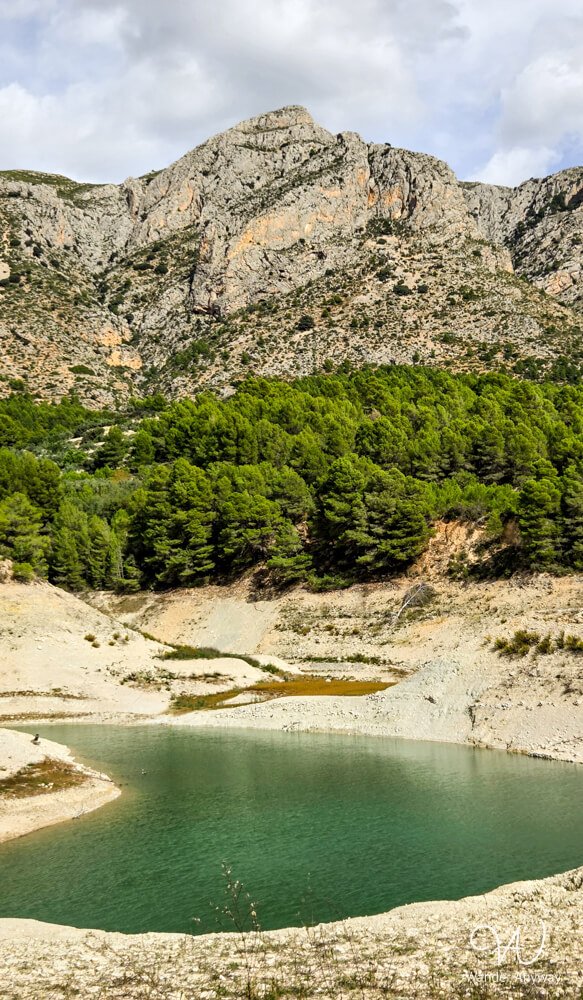
If you enjoy nature and want a variety of perspectives of the village, the full loop is absolutely worth it. If not, the shorter lakeside walk still captures the atmosphere beautifully.
Later in the afternoon, around 5 PM, we returned to the village. Parking areas were almost empty, and in October, no payment was required. Exploring the medieval streets in the soft evening light felt far more enjoyable than visiting under the midday heat.
How to Get to Guadalest?
Getting to Guadalest is easiest by car, as public transport is limited. The drive from Benidorm takes about 30 minutes, while Altea and Calpe are 35–40 minutes away. The roads are well-maintained and offer beautiful mountain views.
A few buses run from Benidorm, but schedules vary and journeys take longer.
Alternatively, guided day trips depart from Alicante, Altea, Valencia, Calpe and Benidorm. Many tours combine Guadalest with the Algar Waterfalls, an efficient option if you don’t want to drive.
Parking in Guadalest
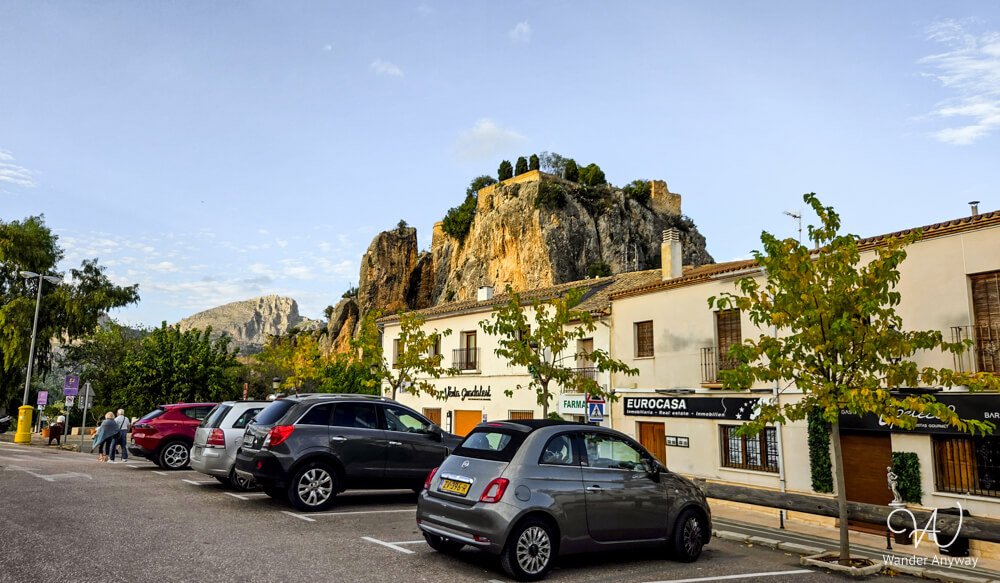
Guadalest offers both free and paid parking. During high season, the paid lots closest to the village fill quickly, while free lots sit slightly downhill.
When I visited in October, parking was free, likely due to low-season conditions. Expect fees of around 2 euros and more visitors in summer.
Best Time to Visit Guadalest
Spring (March–May): Ideal temperatures, clear views, great for hiking.
Autumn (September–October): Warm days, fewer tourists. In October, it was still hot, so bring water.
Summer (June–August): Very hot at midday but great for kayaking or swimming. Visit early or late.
Winter (November–February): Mild, quiet, and atmospheric.
Best time of day: Morning or late afternoon to avoid heat and crowds.
FAQ: Guadalest Travel Questions
How long do you need in Guadalest?
2-3 hours for the village itself, or 4-5 hours if including kayaking and the reservoir loop. For a relaxed pace with lunch, plan for a half-day visit.
Is Guadalest worth visiting?
Absolutely. Guadalest offers one of the Costa Blanca’s most dramatic settings, combining medieval architecture with stunning mountain and reservoir views. It’s especially worthwhile if you visit outside peak midday hours.
Can you swim in Guadalest Reservoir?
Yes, swimming is allowed, though the water stays quite cool even in summer. The best swimming spots are accessible from lower parking areas near the reservoir.
Is Guadalest crowded?
Peak times (11 AM – 4 PM, especially June-August) bring heavy crowds with tour buses. However, visiting before 11 AM or after 5 PM offers a dramatically quieter experience.
Do you need a car to visit Guadalest?
While buses run from Benidorm, a car is highly recommended for flexibility. It lets you visit the reservoir easily, explore at your own pace, and time your visits to avoid crowds.
What are the must-do things to do in Guadalest?
The essentials: exploring the castle ruins, photographing the bell tower, walking the village streets, and visiting the reservoir. If time allows, add kayaking for a unique perspective.
Final Tips for Visiting Guadalest
- Wear comfortable shoes; the village has steep, uneven paths.
- Bring water, especially if walking near the reservoir.
- If the old village feels busy, visit the reservoir first and return later.
- Plan 3–4 hours for a relaxed visit.
- Stay flexible; timing makes a big difference in such a small village.
Final Thoughts
Guadalest may be small, but its impact is lasting. With its mountain backdrop, medieval alleys, and sweeping valley views, the village stands apart from the Costa Blanca’s coastal towns. If your itinerary allows it, take your time here: a morning, an afternoon, or even a full day.
The top things to do in Guadalest offer a blend of silence, scenery, and history that rewards anyone willing to slow down and soak in the moment.