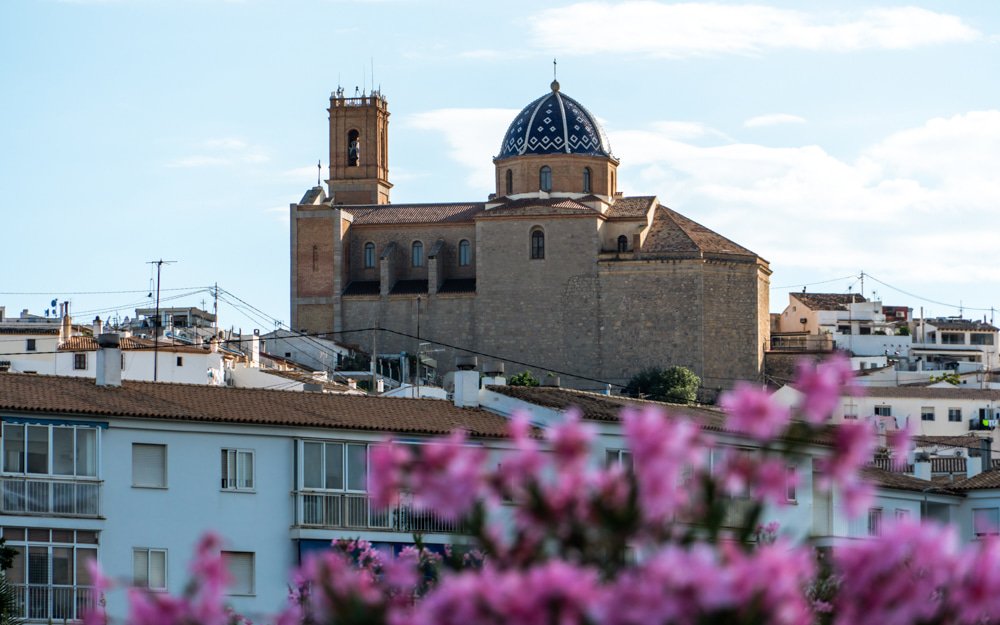
Altea is one of the most distinctive towns on Spain’s Costa Blanca. As a result, things to do in Altea focus less on ticking off attractions and more on atmosphere, viewpoints, and slow walks through the old town.
While nearby destinations revolve around beaches or nightlife, Altea feels calmer and more deliberate, shaped by whitewashed streets, sea views, and an unhurried daily rhythm. Visiting Altea is less about rushing between sights and more about enjoying quiet moments by the Mediterranean.
This guide covers the best things to do in Altea, along with practical tips, personal experience, and everything you need to plan your visit.
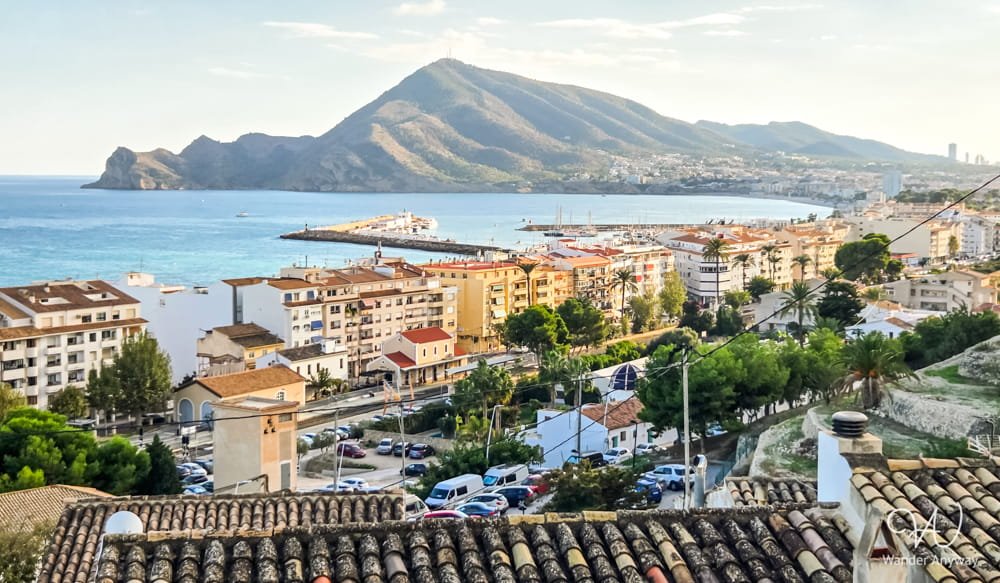
Things to do in Altea
Altea is best experienced at a slow pace. Most things to do in Altea revolve around walking, observing, and spending time outdoors rather than ticking off major attractions. A single day is enough to see the highlights, but giving yourself more time allows the town’s atmosphere to unfold naturally.
The experiences below follow a natural flow through Altea, starting just outside town and ending in the old streets and viewpoints above the coast.
Visit the Russian Orthodox Church Near Altea
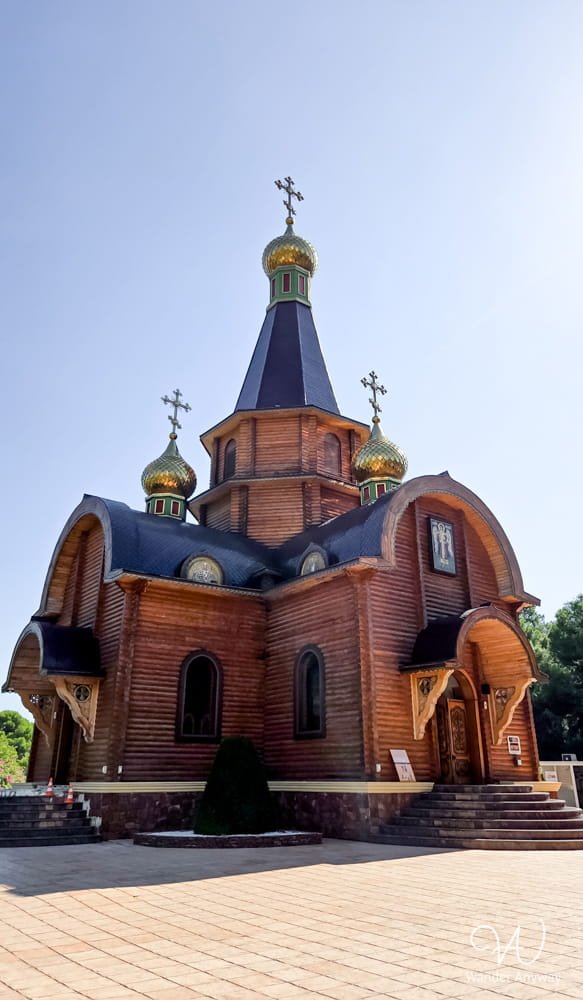
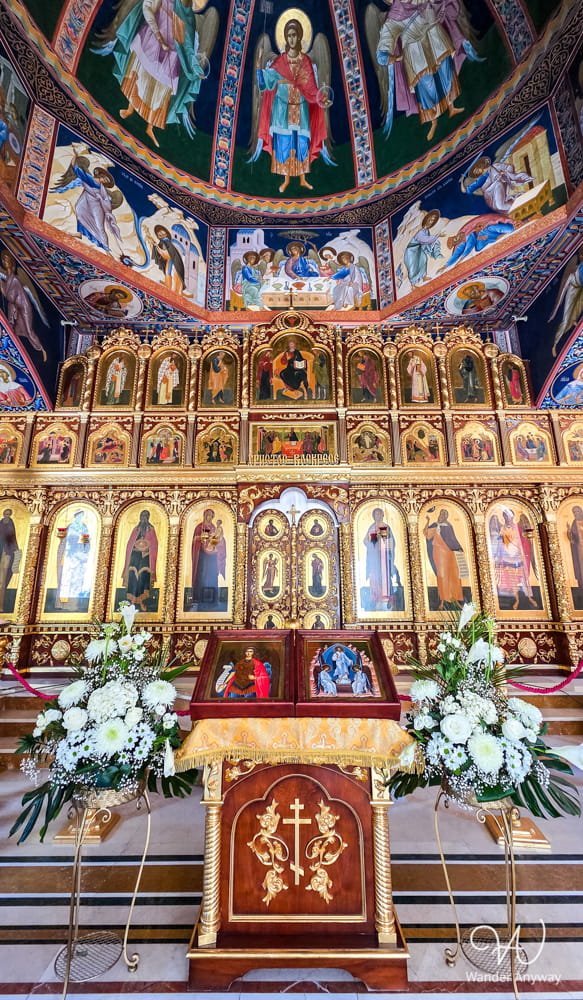
Before reaching Altea itself, it’s worth stopping at the Russian Orthodox Church just outside town. Although it isn’t technically in Altea, it sits directly along the route if you’re arriving by car and makes a natural first stop.
Built in traditional Russian style, the wooden structure and golden domes stand out sharply against the Mediterranean surroundings. The visit is brief but memorable, and the modest 3-euro entrance fee makes it an easy addition to the day. Whether you stop here before or after Altea, it adds an unexpected contrast to the coastal scenery that follows.
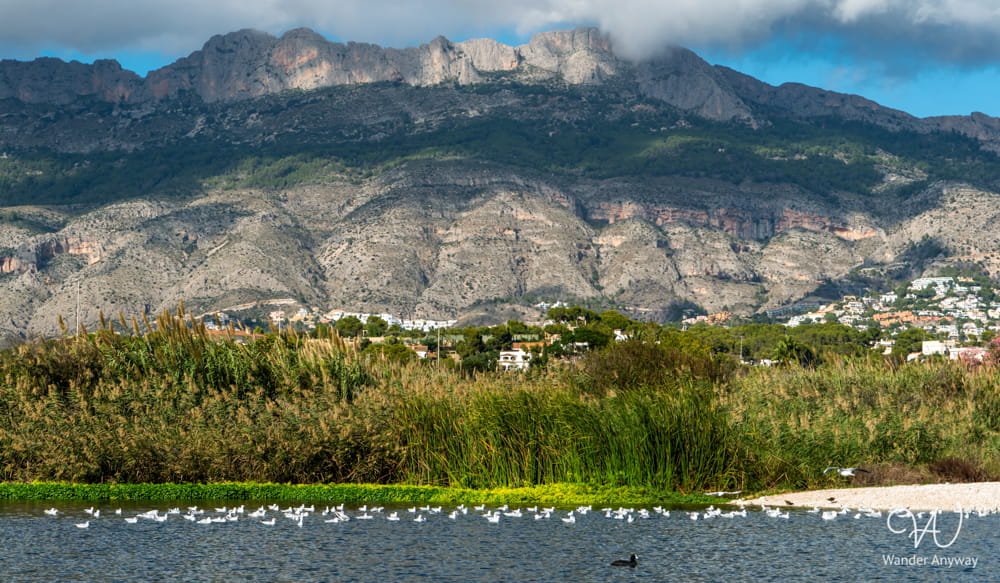
Walk the Algar River Mouth (Desembocadura del Riu Algar)
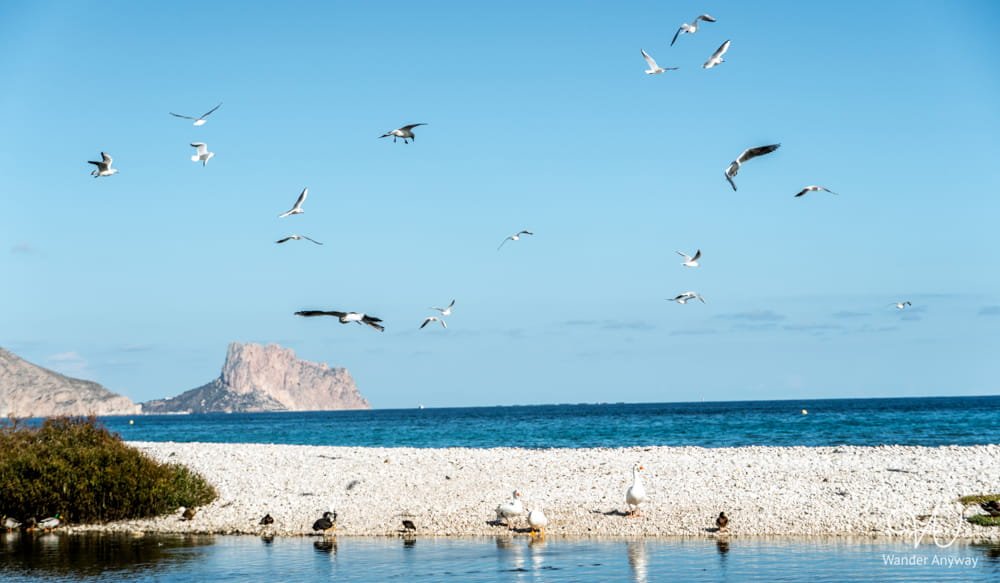
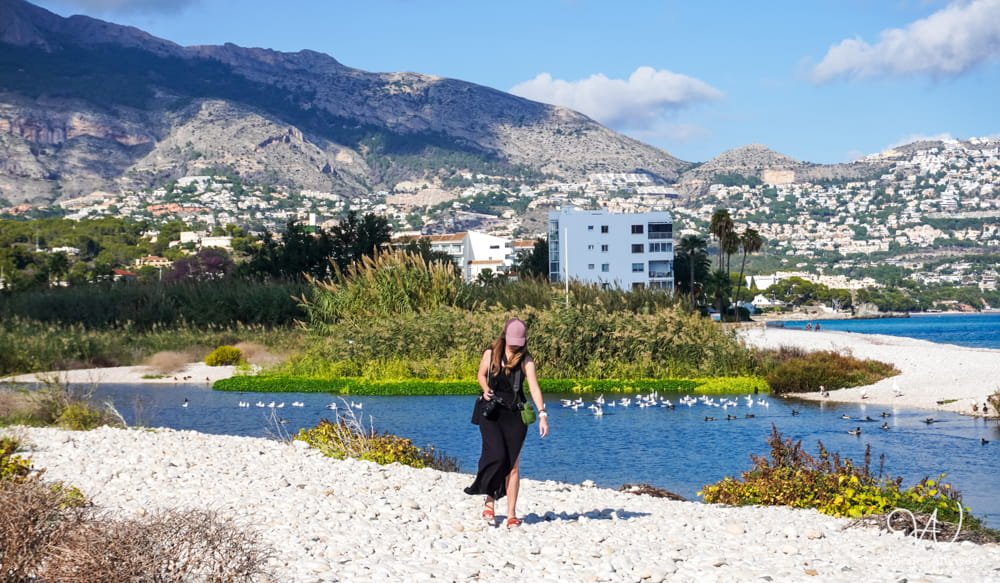
After arriving in Altea, head toward the coast and take a short walk to the mouth of the Algar River. This protected natural area feels surprisingly quiet and open, with birds, vegetation, and views that stretch toward the surrounding mountains.
It’s a peaceful place to slow down before moving into the busier parts of town. The combination of river, sea, and open space gives a different perspective on Altea, one that feels more connected to nature than to tourism.
Stroll Along Altea’s Seafront Promenade
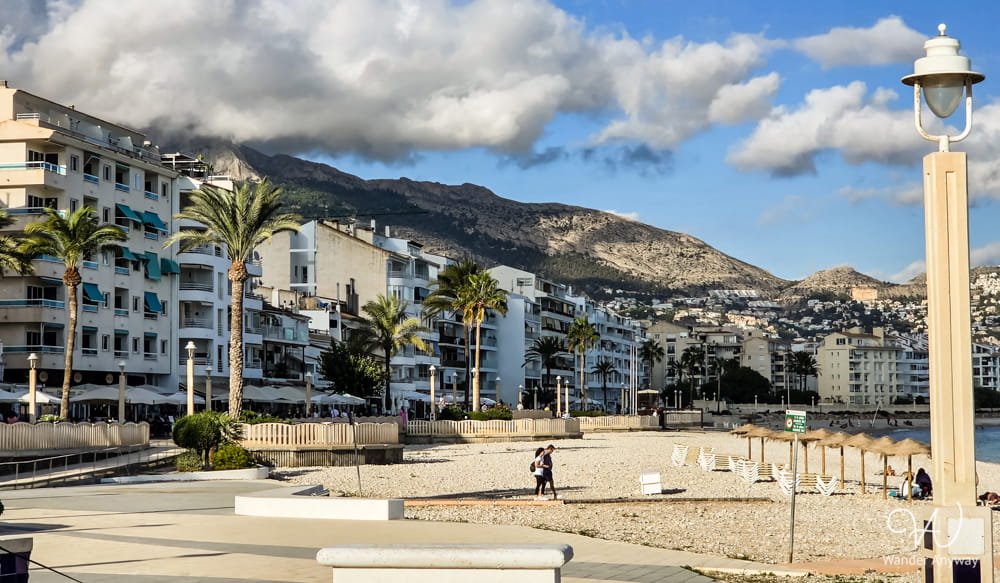
From the river mouth, the walk continues naturally along Altea’s seafront promenade. This is one of the most enjoyable parts of the town, especially if you take it slowly.
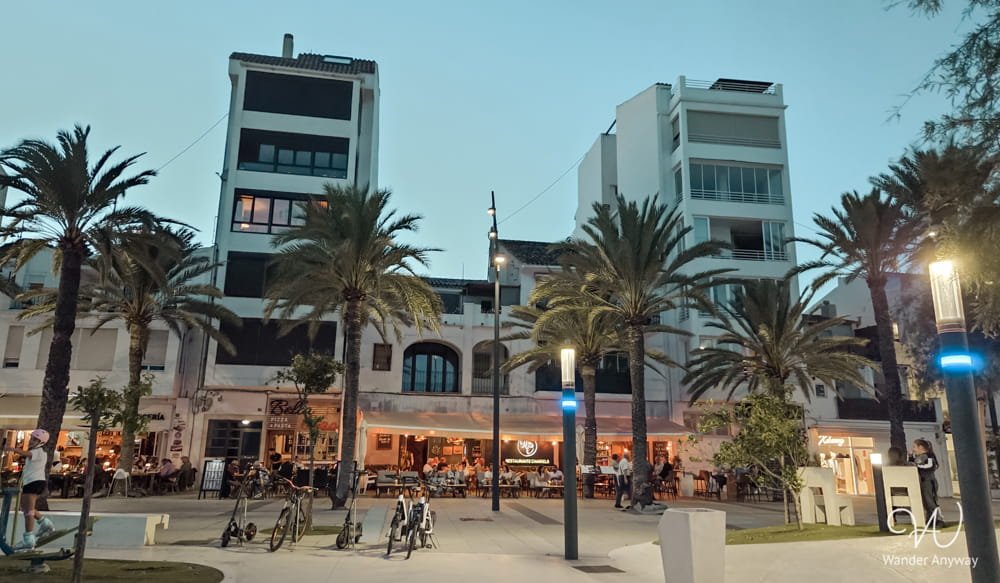
The promenade follows the coastline with cafés, palm trees, and uninterrupted sea views. It’s ideal for an easy walk, a coffee stop, or simply watching the rhythm of the town unfold. Rather than being a destination in itself, the promenade acts as a gentle transition between the natural coastline and the historic center above.
Relax on Altea’s Beach
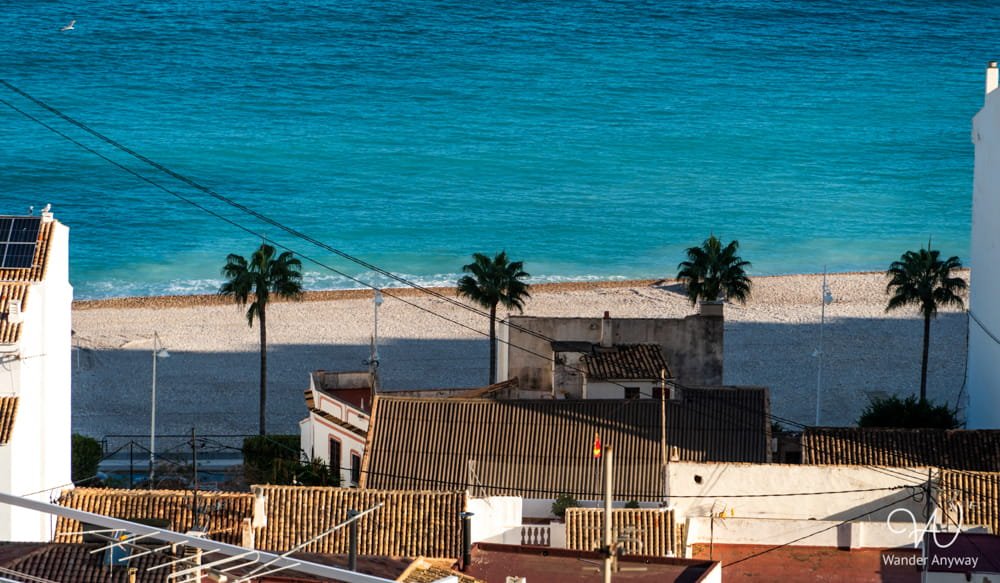
Just below the promenade, Altea’s pebble beaches offer a calm place to pause. The water is clear, the atmosphere relaxed, and even during warmer months, the beaches tend to feel quieter than those in nearby resort towns.
It’s less about spending an entire day here and more about stepping off the walk for a swim, a short rest, or a moment by the sea before heading uphill. From here, the rhythm shifts as the streets begin to climb.
Explore Altea Old Town (Casco Antiguo)
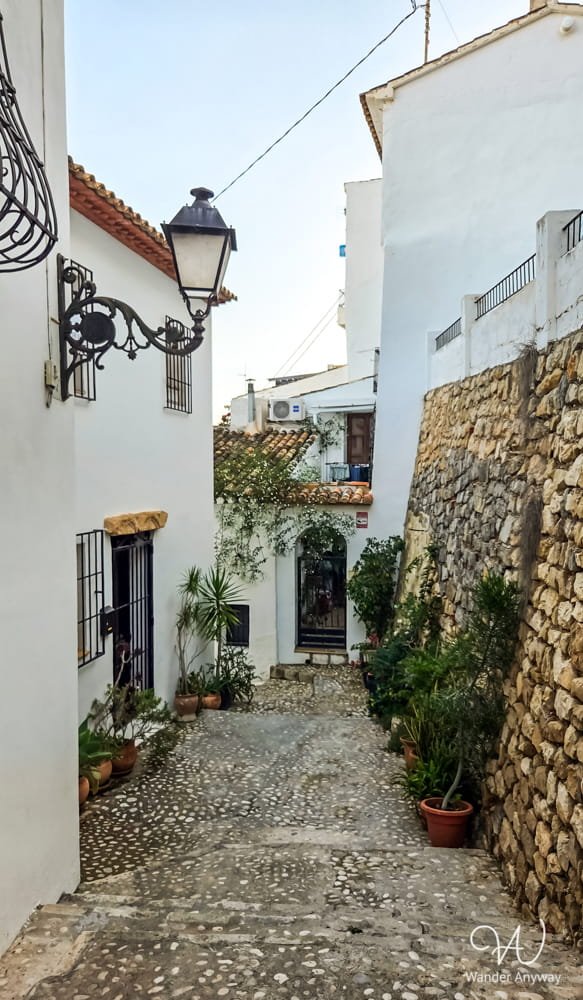
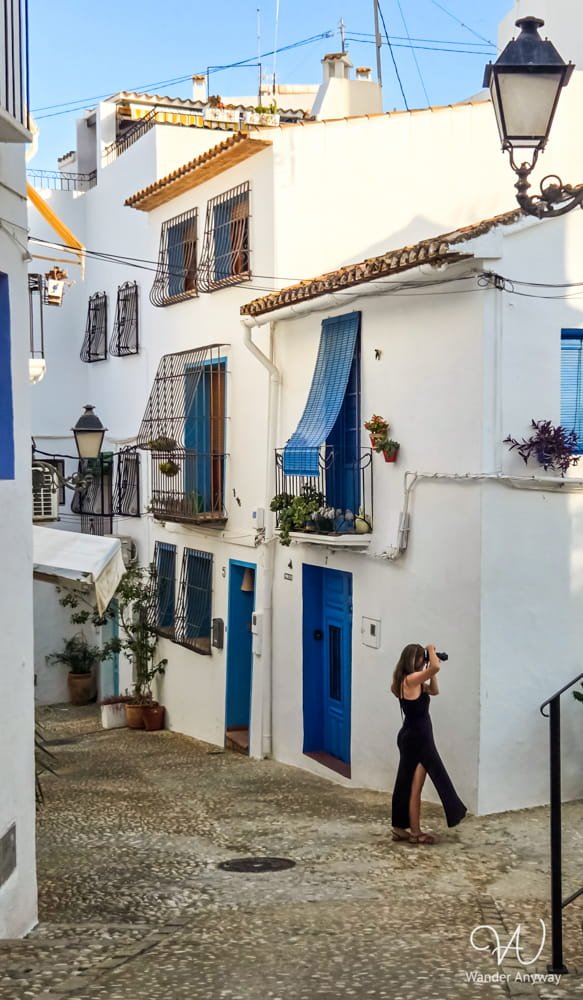
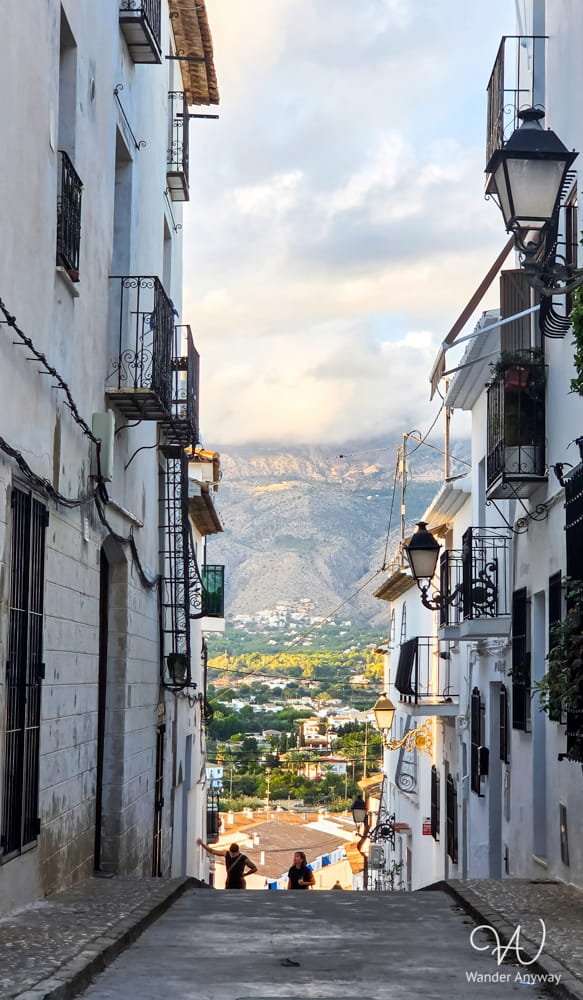
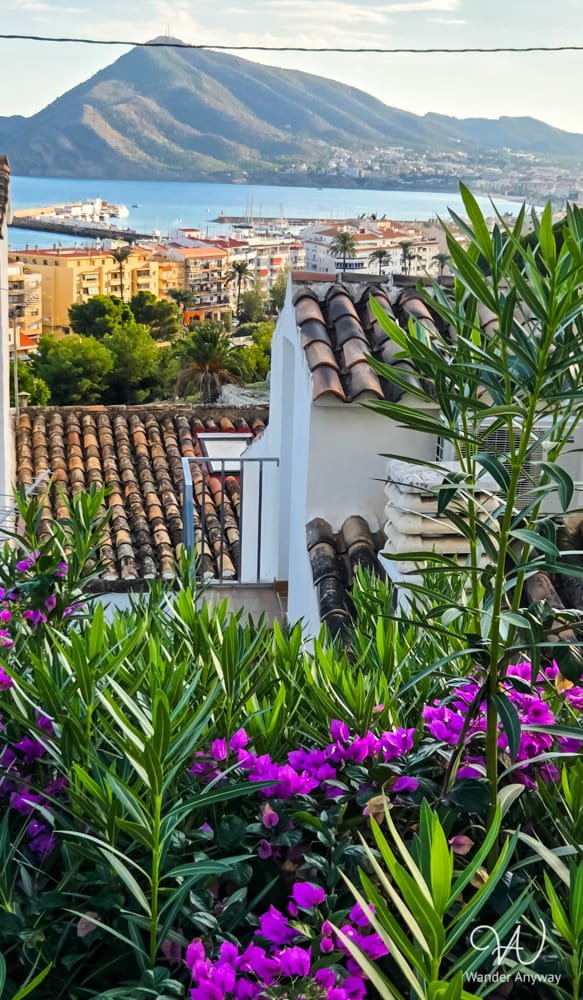
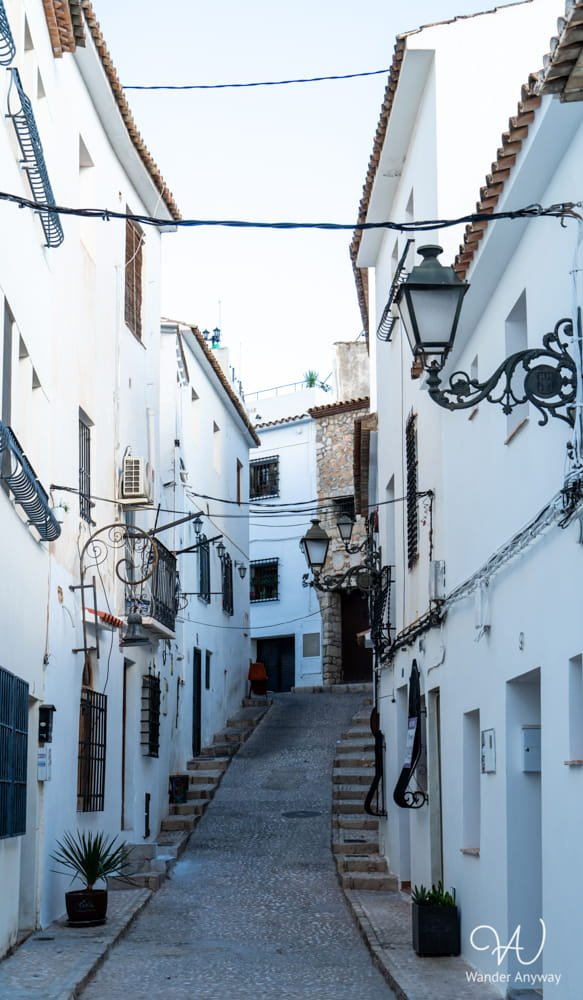
Altea’s old town is the heart of the village. Narrow cobbled streets climb steadily uphill, passing white houses, small galleries, and shaded corners that open suddenly to sea views.
Instead of heading directly uphill, let the streets guide you. The charm lies in wandering, turning down side streets, stopping at viewpoints, and watching daily life unfold. Early morning and late afternoon are the best times to explore, when the light softens, and the streets feel calmer.
Visit the Church of Nuestra Señora del Consuelo
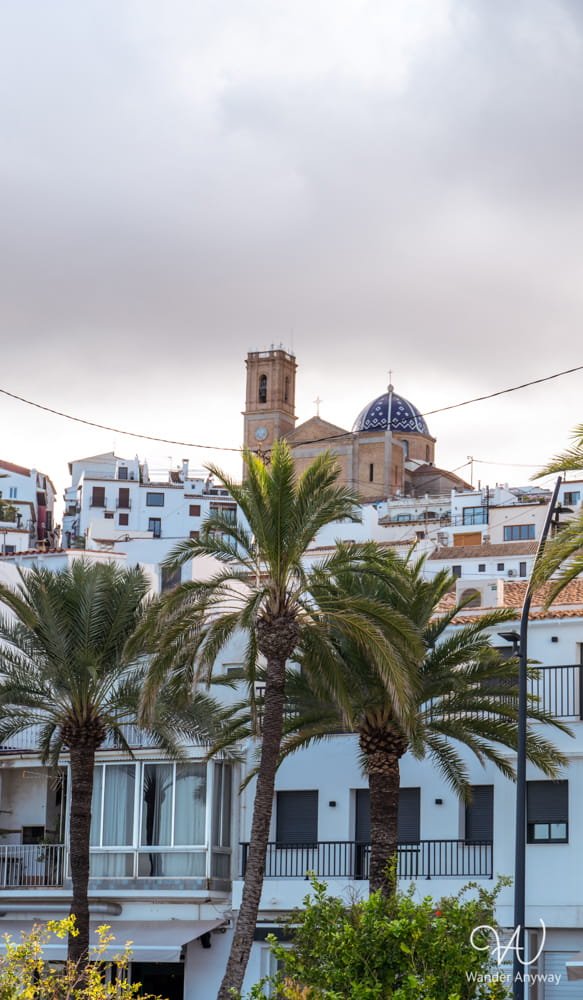
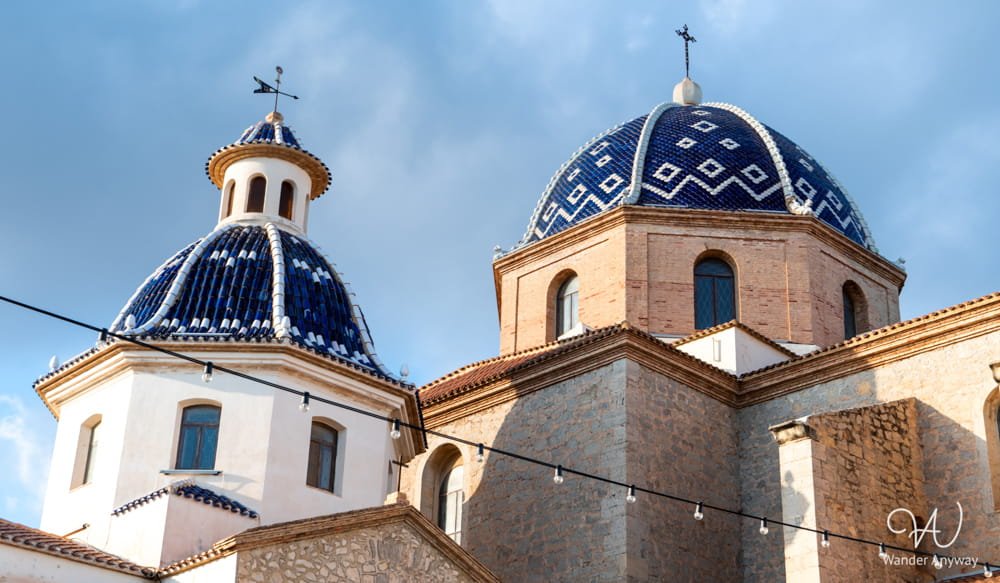
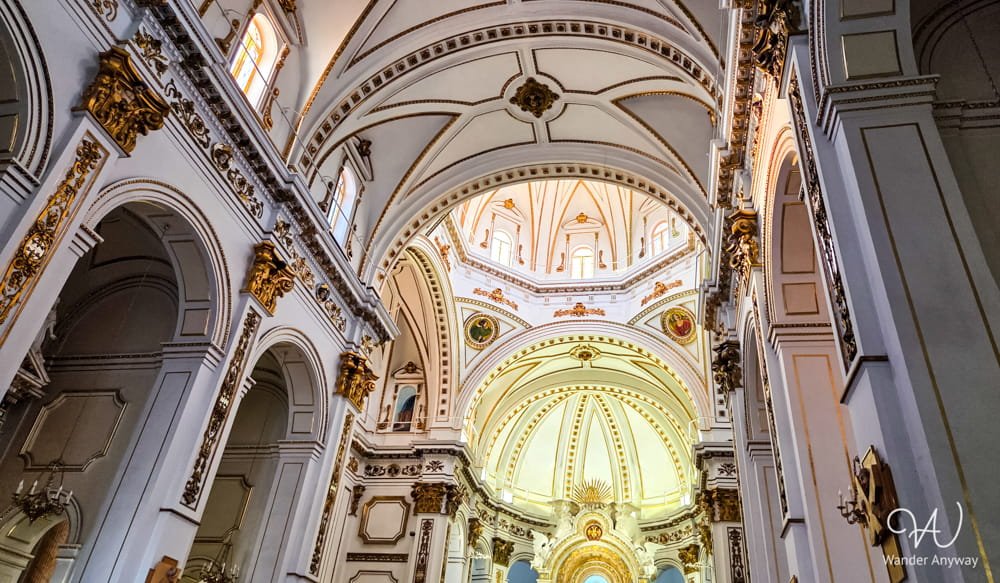
At the highest point of the old town stands Altea’s most recognizable landmark: the Church of Nuestra Señora del Consuelo, known for its blue-and-white tiled domes.
The square in front of the church offers one of the best viewpoints in Altea, with open views over the rooftops and the Mediterranean beyond. Stepping inside is just as rewarding. The interior is bright and understated, defined by white walls, gold details, and a sense of calm that contrasts with the climb up. The church is open daily from 10:00 to 20:00, and entry is free. Even without a long visit, it’s a meaningful stop at the highest point of the old town.
Try Outdoor Activities & Experiences in Altea
Beyond walking and sightseeing, there are a few easygoing outdoor experiences in Altea that fit naturally into a coastal visit.
Along the shoreline, kayaking and boat trips offer a different perspective, with views back toward the old town and surrounding cliffs. For a faster option, jet ski rides run along this stretch of coast and work well as a short, energetic break.
If you prefer something slower, a visit to Althaia Brewery for a beer tasting adds a local touch. For time on the water, take a motor catamaran cruise along the Altea coastline. If you want an adventure, book the Mascarat Gorge canyoning experience. Each of these fits neatly into a day without disrupting Altea’s calm rhythm.
How to Get to Altea
Reaching Altea is straightforward, especially if you’re exploring the Costa Blanca by car.
We rented a car, and in my experience, this is the most flexible option. Driving makes it easy to combine Altea with nearby stops, such as the Russian Orthodox Church or smaller coastal spots, without relying on fixed schedules.
That said, Altea is also well connected by public transport. If you don’t plan to drive, Rome2Rio is a useful tool to compare bus and train routes based on your departure city. Depending on where you’re coming from, you’ll find multiple options, particularly from well-known nearby cities like Alicante, Benidorm, Calpe, and Valencia.
If you prefer a more structured visit, guided tours are another option. Several day trips include Altea as part of a wider Costa Blanca itinerary, often combined with nearby highlights such as Guadalest, coastal viewpoints, or scenic villages. These tours work well if you’re based in Alicante or Benidorm and don’t want to drive.
Once you arrive, Altea is compact and walkable, so you won’t need transport to explore the town itself.
Parking in Altea
Parking in Altea is straightforward if you avoid the narrow streets of the old town.
I parked at a large free parking lot outside the historic center, which worked perfectly. From there, it was less than a 10-minute walk to the promenade and about 13 minutes uphill to the church and old town. This option avoids steep streets and makes exploring Altea much more relaxed.
There are also two other options worth knowing about:
- Free parking near the sea: very limited spaces; best to arrive early.
- Paid parking closer to the old town: convenient for starting uphill, but fills quickly.
Good to know: White lines indicate free parking, while blue lines mark paid zones.
Where to Eat in Altea
Eating in Altea fits naturally into the rhythm of the town rather than feeling like a separate activity. Meals unfold slowly here, often paired with sea views or tucked into quiet corners of the old town.
Along the promenade, Ciao Bella is an easy, relaxed choice for a casual meal by the water. It’s ideal for lunch or an unhurried dinner after a walk along the coast, especially if you want something simple without formality.
If you’re looking for a more local or atmospheric setting, head uphill into the old town. Xef Pirata is well known for creative Mediterranean dishes and a refined setting, while El Castell offers traditional flavors paired with wide views over the coastline. For something quieter, Oustau combines French-Mediterranean cuisine with a calm terrace away from the busiest streets.
Tip: Lunch works best near the sea; dinner feels more special in the old town once the light softens and the streets quiet down.
Best Time to Visit Altea
Altea is enjoyable year-round, but timing makes a noticeable difference in how the town feels.
I visited in October, and it still felt like summer. The weather was warm, the sea inviting, and the pace noticeably calmer than during peak season. This time of year works especially well if you want to walk comfortably, explore the old town, and enjoy the coast without intense heat or heavy crowds.
Spring and early autumn are ideal for sightseeing and slow walks. Summer can be hot, particularly at midday, but even then, Altea remains quieter than nearby resort towns.
More important than the season is the time of day. Late afternoon and early evening are best, when day-trippers begin to leave, the light softens, and the old town becomes noticeably calmer.
FAQ: Altea Travel Questions
How much time do you need in Altea?
Half a day is enough to see the highlights, but a full day allows you to walk slowly, enjoy the beach, and explore the old town without rushing.
Is Altea worth visiting compared to nearby towns?
Yes. Altea feels calmer and more atmospheric than many Costa Blanca destinations, focusing on views, walking, and everyday life rather than major attractions.
Is Altea crowded?
It can be busy between late morning and mid-afternoon, especially in summer. Visiting early or later in the day makes a noticeable difference, particularly in the old town.
Does Altea have a nice beach?
Altea’s beaches are mostly pebble beaches with clear water and a relaxed atmosphere. They are quieter than nearby resort beaches and work well for short swims or breaks during the day rather than full beach days.
Is Altea walkable?
Yes. Altea is very walkable once you arrive. The promenade, beach, and old town are all connected on foot, although the climb to the historic center is steep in places.
Final Thoughts
Altea stands out not for what there is to see, but for how it feels to be there. The best things to do in Altea revolve around walking without a plan, pausing at viewpoints, and letting the town reveal itself gradually.
If your Costa Blanca itinerary allows it, slow down here. Whether you arrive for a few hours or a full day, Altea rewards a gentle pace, with light, space, and a rhythm that feels distinctly its own.
1 response
1 pingback