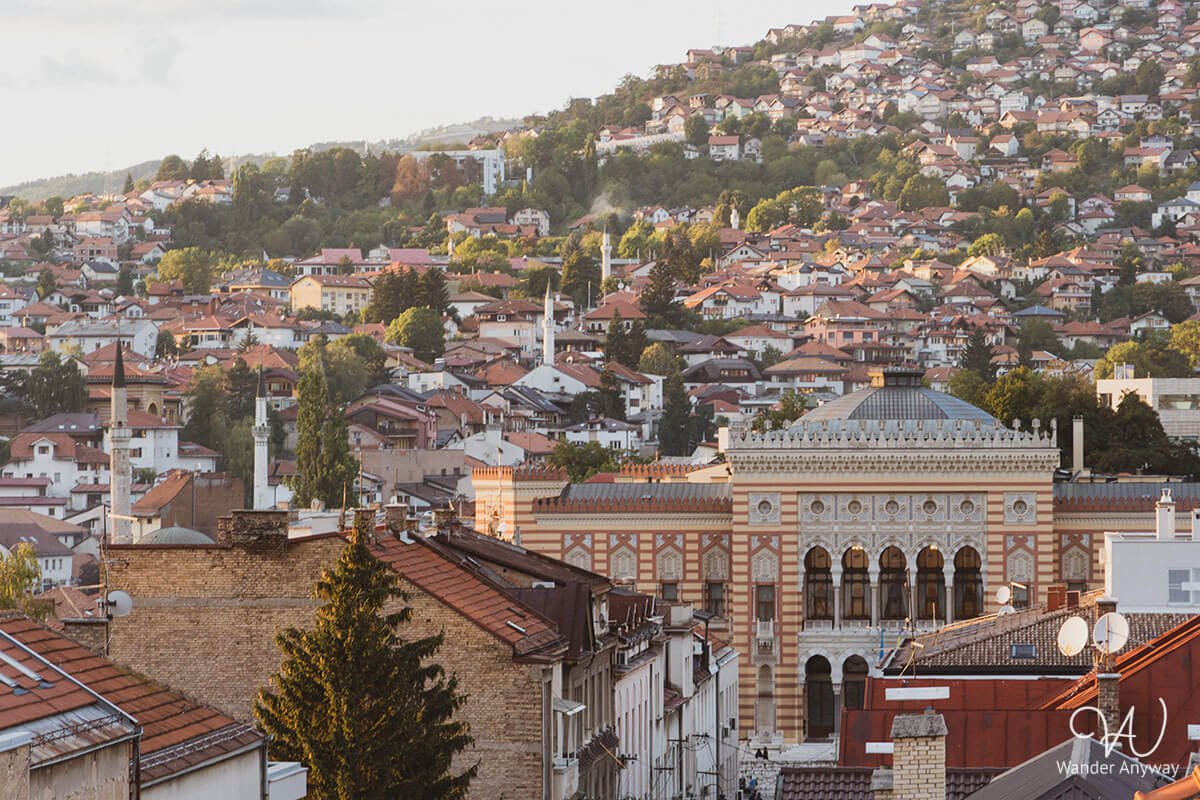
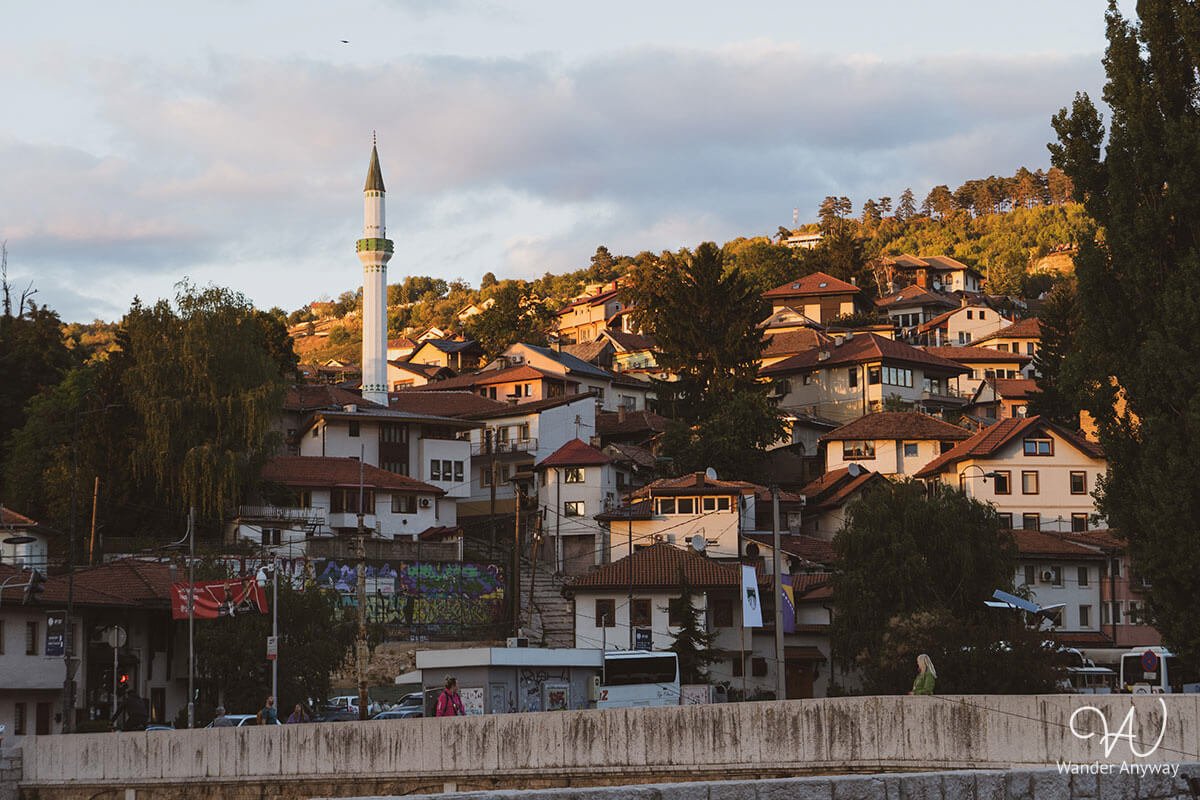
Things to do in Sarajevo take you from traditional copper workshops and historic bridges to mountain viewpoints and an abandoned Olympic bobsleigh track. Narrow Ottoman streets open onto grand Austro-Hungarian avenues, while wooded hills rise above the rooftops of Bosnia and Herzegovina’s capital.
There is plenty to discover beyond the architecture. Sarajevo hosted the 1984 Winter Olympics, witnessed the assassination that helped trigger World War I, and endured a devastating siege in the 1990s. Some of that history fills museums, while traces of the past remain visible on buildings and pavements throughout the city.
I spent one full day exploring Sarajevo during my Bosnia and Herzegovina road trip. Alongside the Old Town, I discovered important wartime landmarks, tried traditional Bosnian food, and took the cable car to Mount Trebević. Here are 13 places I visited, along with practical tips for planning your own day in Sarajevo.
How to Spend One Day in Sarajevo
Many of Sarajevo’s main attractions are concentrated around Baščaršija, the historic Ottoman Old Town. However, I started farther west, near Sniper Alley, and gradually made my way toward the city center. After exploring the Old Town, I continued to the Yellow Fortress and took the cable car to Mount Trebević. The attractions below follow the exact order I visited them.
This itinerary involves plenty of walking, including an uphill climb to the Yellow Fortress. If you prefer a shorter or more relaxed day, start in the Old Town and focus on the attractions that interest you most.
Best Things to Do in Sarajevo
1. Walk Along Sniper Alley and Discover the Sarajevo Roses
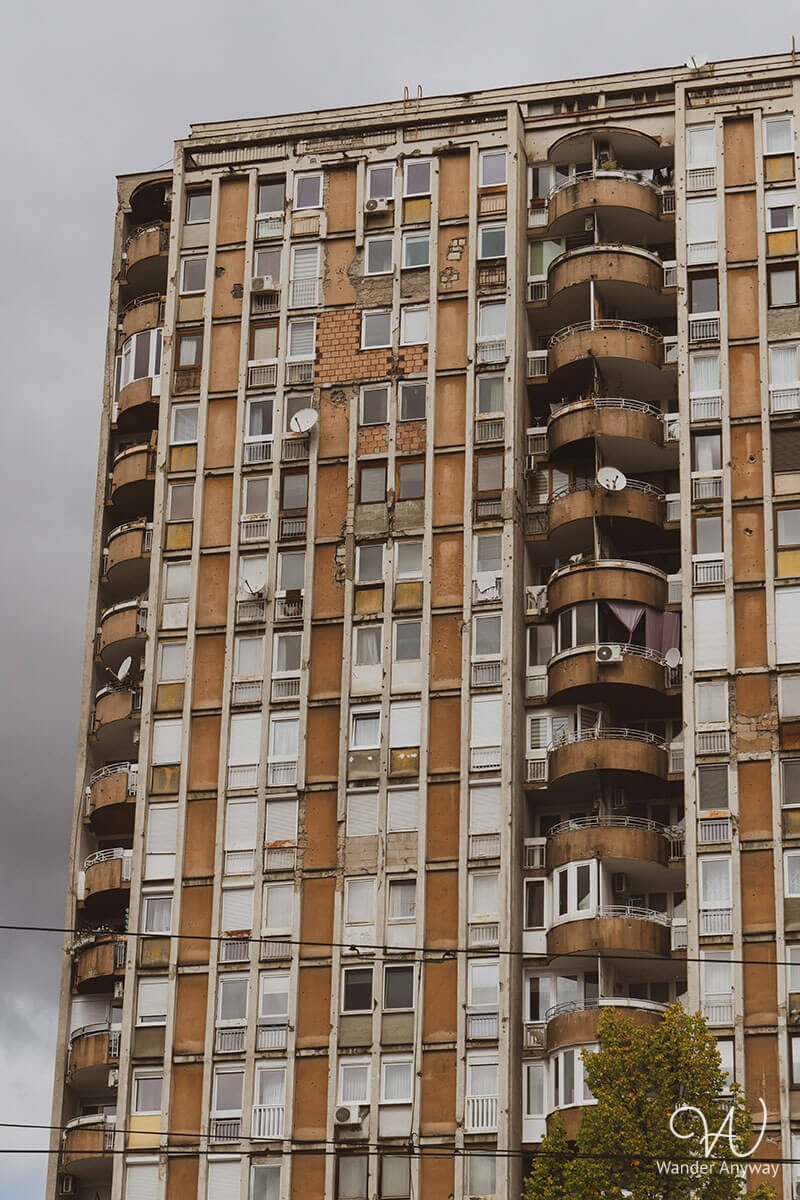
Today, cars and trams travel along Zmaja od Bosne Street, one of Sarajevo’s main boulevards. Offices, apartment buildings, and hotels line the road, yet some facades still carry traces of the siege, with bullet holes and shrapnel damage visible among the everyday buildings.
During the Siege of Sarajevo, exposed sections of this boulevard became known as Sniper Alley. Civilians crossing these streets risked being targeted by snipers positioned in surrounding buildings and hills. Even ordinary journeys to find food and water could be deadly.
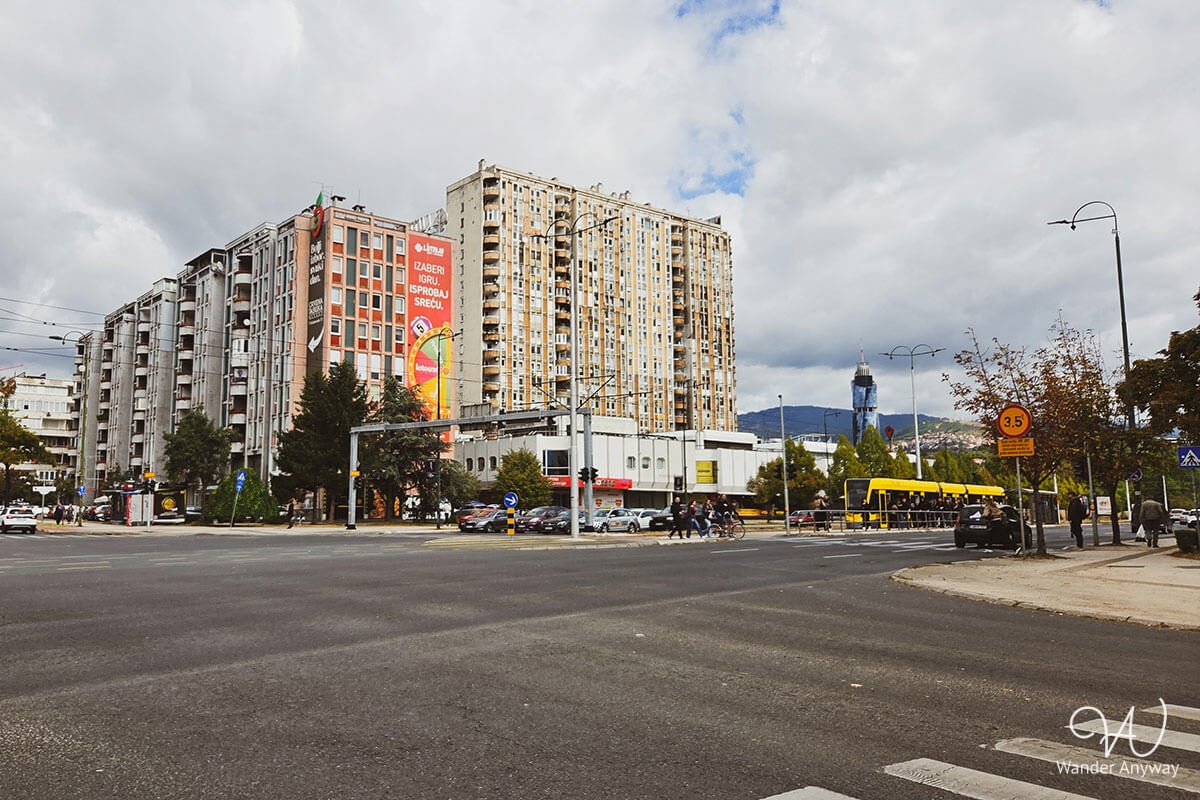
I noticed several damaged facades while walking toward the historic center. Knowing what happened here changes the way you look at a road that might otherwise seem unremarkable.
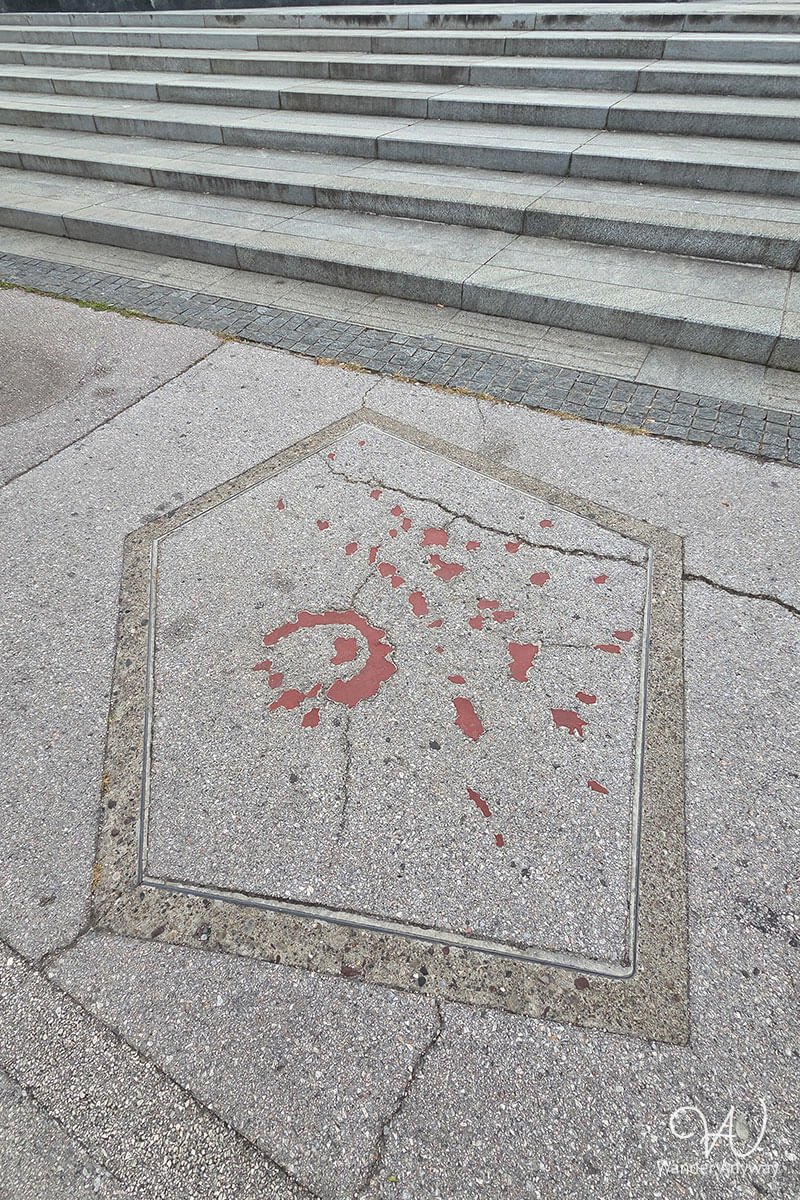
Elsewhere in Sarajevo, look out for Sarajevo Roses. These red-filled mortar impact scars remain in pavements and squares, commemorating people killed during the siege. Their irregular shapes resemble flower petals, giving them their name.
2. See Hotel Holiday, the Former Holiday Inn
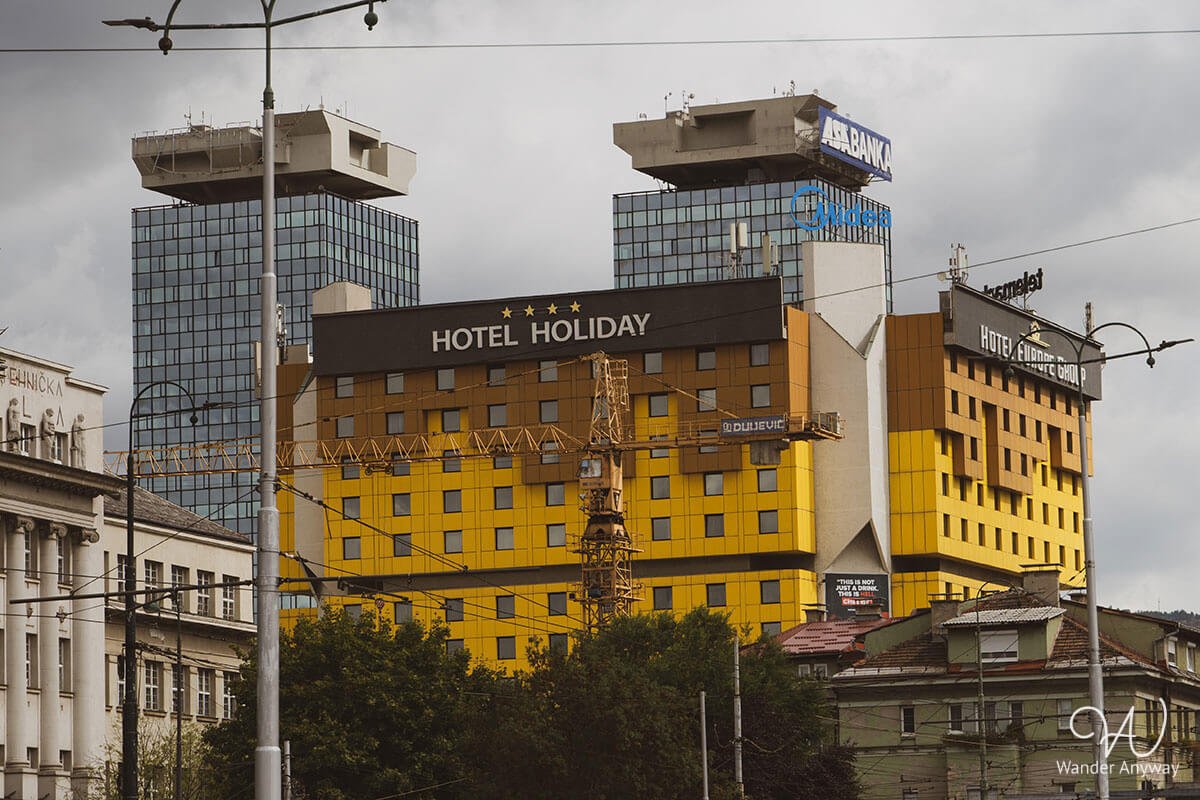
With its bright yellow facade and distinctive blocky shape, Hotel Holiday stands out along Zmaja od Bosne Street. Originally opened in 1983 for the 1984 Winter Olympics, the former Holiday Inn welcomed visitors during one of Sarajevo’s proudest moments.
Less than a decade later, the hotel became a base for foreign journalists reporting on the Siege of Sarajevo. Reporters continued working here despite shelling and the dangers outside, making the building closely associated with international coverage of the war.
Today, Hotel Holiday still operates as a hotel, but its historical significance makes it worth seeing from the outside. Located along the boulevard associated with Sniper Alley, it’s an easy stop before continuing toward the Miljacka River and the Suada and Olga Bridge.
3. Visit the Suada and Olga Bridge
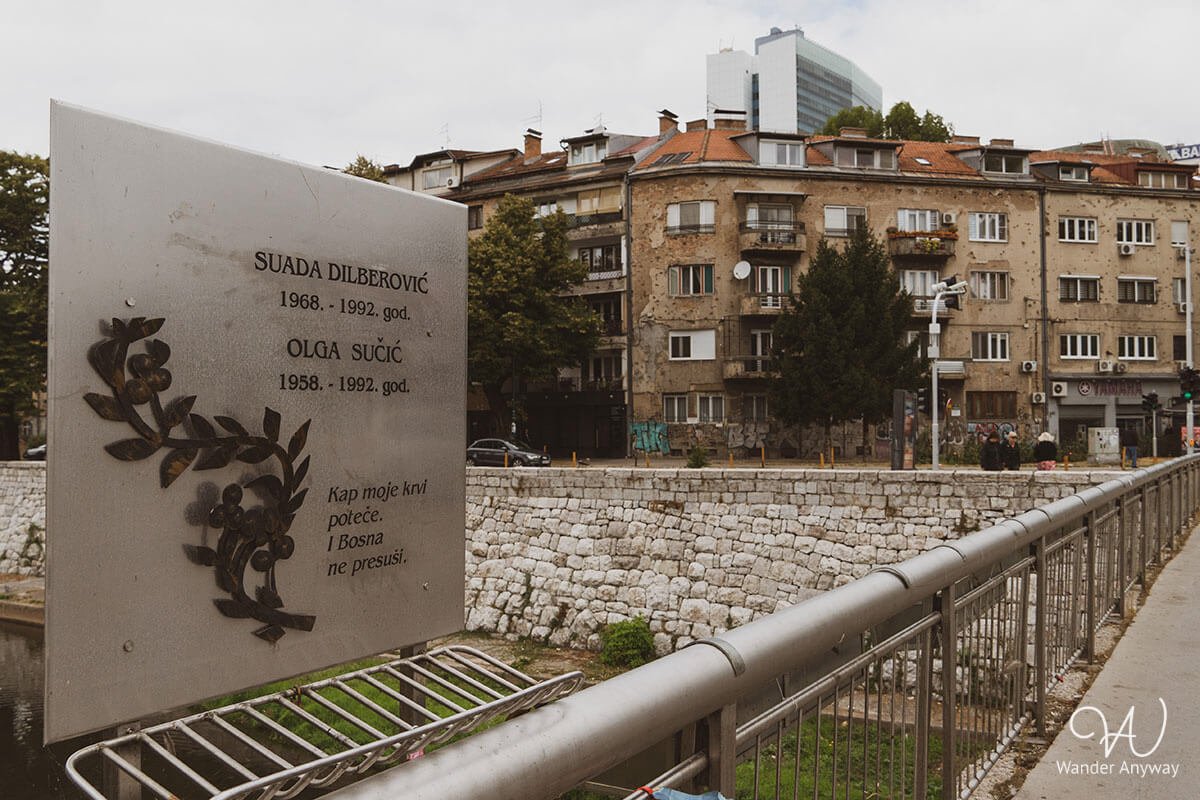
The Suada and Olga Bridge crosses the Miljacka River and is connected to two important stories from the Siege of Sarajevo. A memorial plaque commemorates Suada Dilberović and Olga Sučić, who were killed during peace demonstrations on April 5, 1992. The former Vrbanja Bridge was later renamed in their honor.
In May 1993, the bridge became the scene of another event that attracted international attention. Admira Ismić, a Bosniak woman, and Boško Brkić, a Bosnian Serb man, were shot while attempting to escape the besieged city together. The couple had been in love since their teenage years, and their families supported their relationship despite their different ethnic backgrounds.
Boško died at the scene, while the wounded Admira reportedly crawled toward him before dying beside him. Their bodies remained in no man’s land for several days before they could be recovered. Their story became internationally known as Sarajevo’s Romeo and Juliet, symbolizing how the war affected people whose lives and relationships crossed ethnic divisions.
4. Discover the Latin Bridge
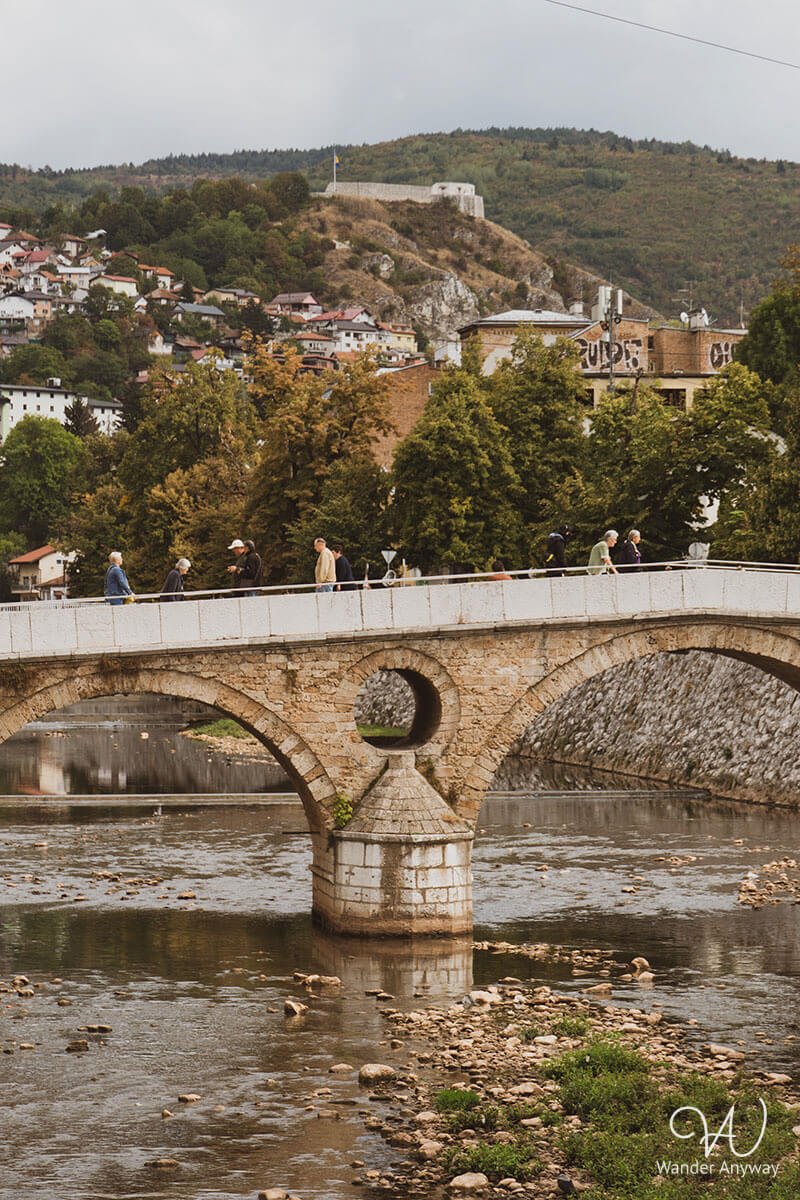
The Latin Bridge is a small Ottoman-era stone bridge crossing the Miljacka River, just a short walk from Baščaršija. Although it might look like an ordinary bridge, it’s one of Sarajevo’s most historically significant landmarks.
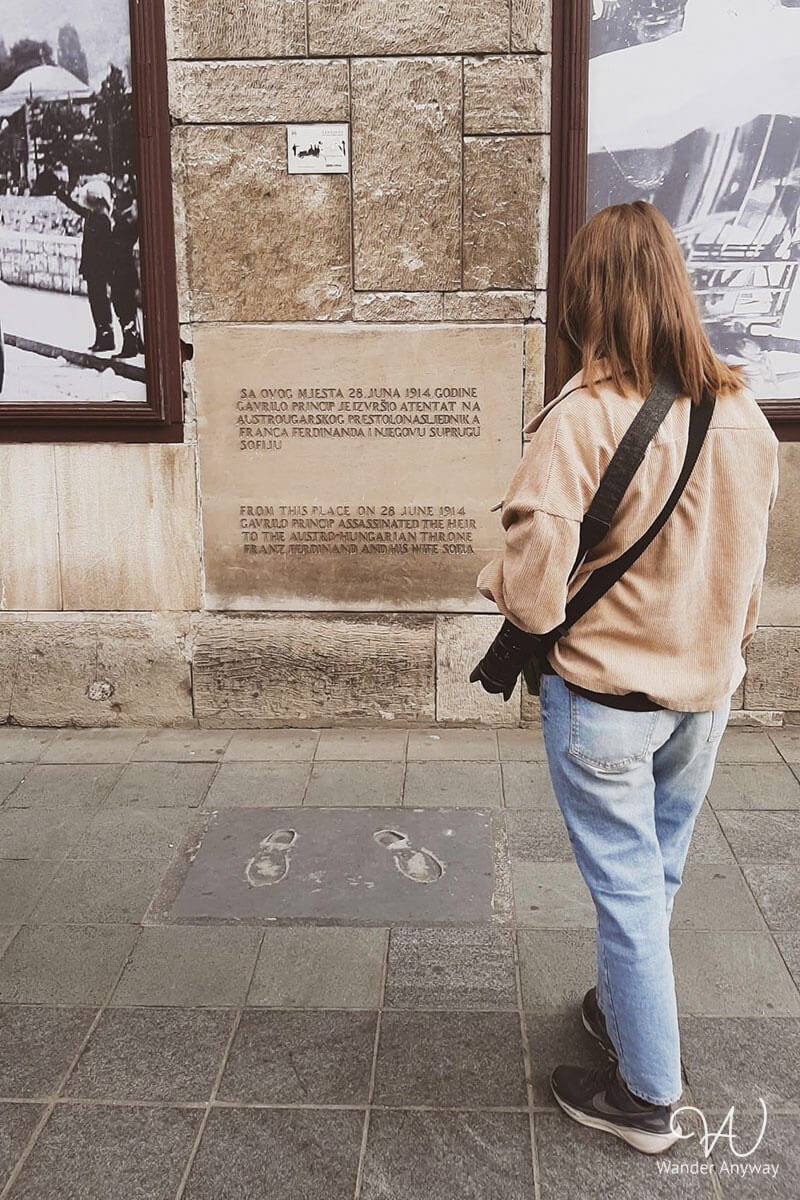
On June 28, 1914, Gavrilo Princip assassinated Archduke Franz Ferdinand, heir to the throne of Austria-Hungary, and his wife Sophie near the bridge. The assassination sparked the July Crisis, which ultimately led to the outbreak of World War I.
Near the bridge, you’ll find a memorial plaque marking the assassination site and the Museum of Sarajevo 1878 to 1918, which explores the city’s history under Austro-Hungarian rule. I also noticed a pair of footprints embedded in the pavement outside the museum, marking where Gavrilo Princip stood during the assassination.
5. Find the Sarajevo Meeting of Cultures
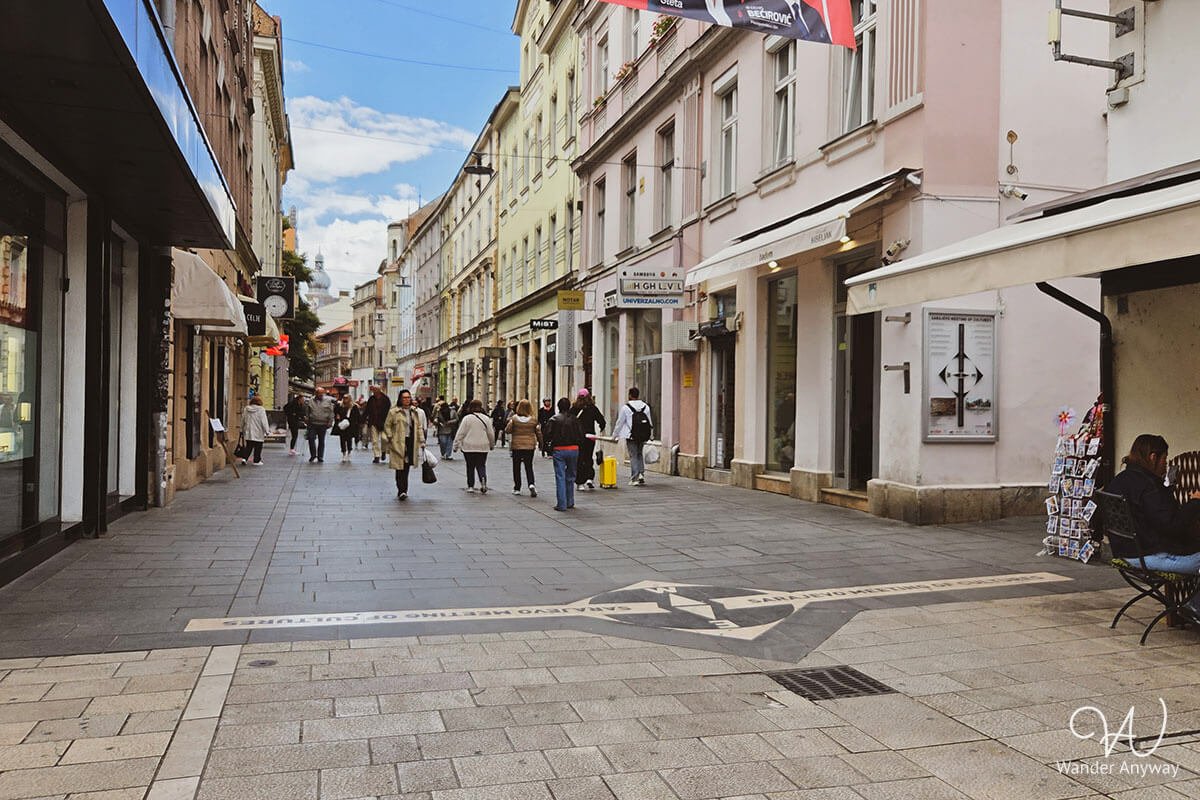
On Ferhadija Street, Sarajevo’s architecture changes within just a few steps. Look east toward Baščaršija, and you’ll see narrow streets lined with traditional shops and Ottoman-era buildings. Turn west, and grand Austro-Hungarian facades line the pedestrian street.
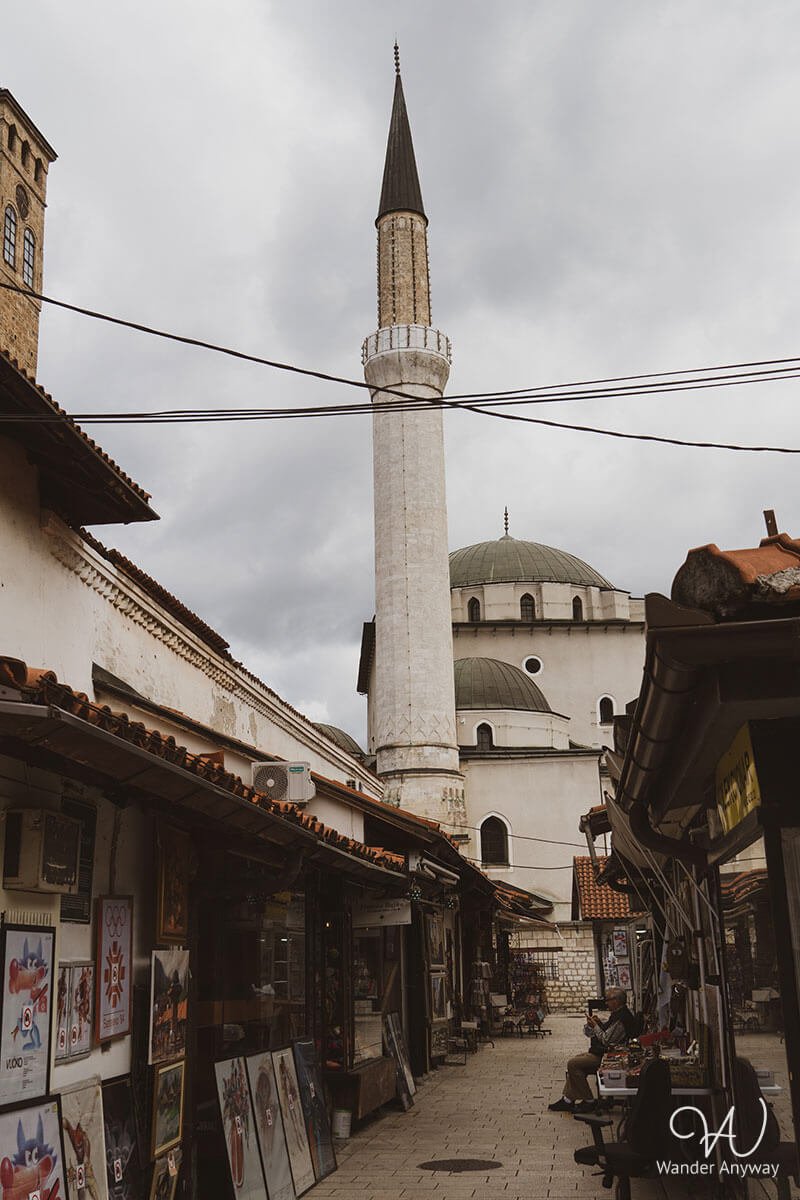
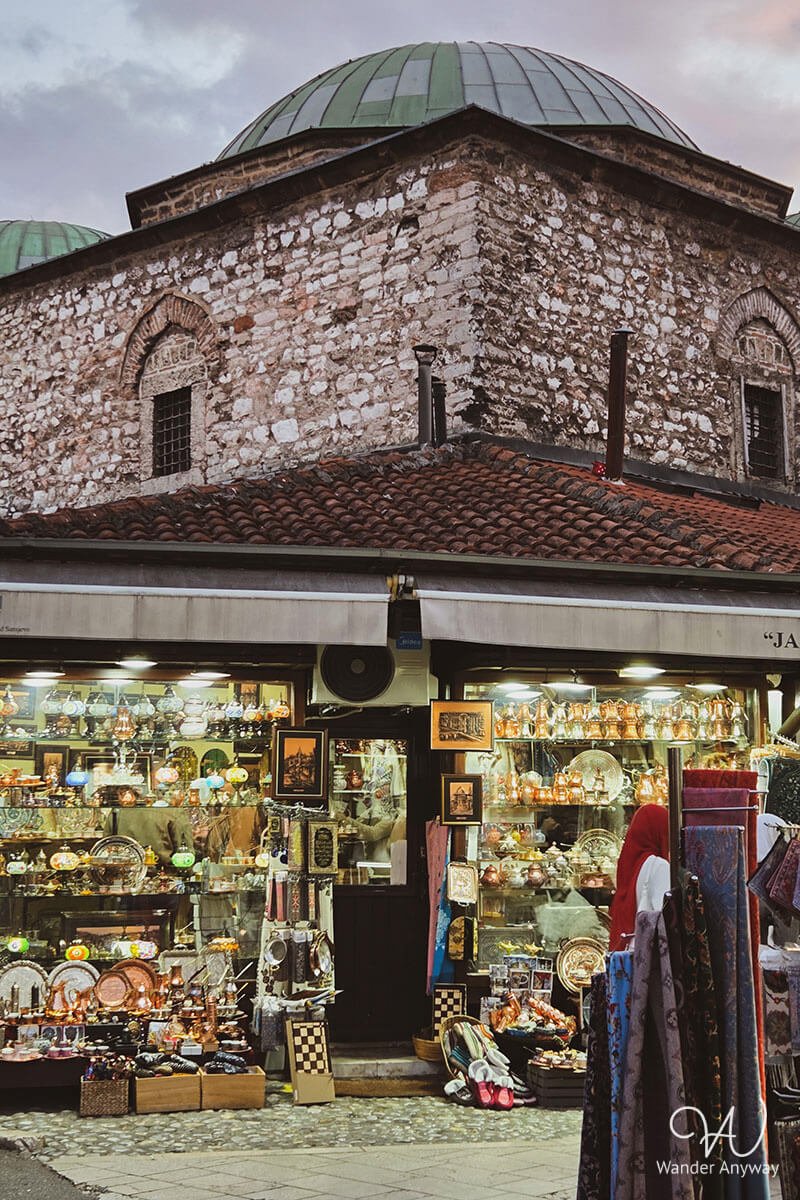
A marker embedded in the pavement reads Sarajevo Meeting of Cultures, highlighting where these two architectural influences meet. Stand on the marker and look in both directions to see the contrast for yourself.
6. See Gazi Husrev-beg Mosque
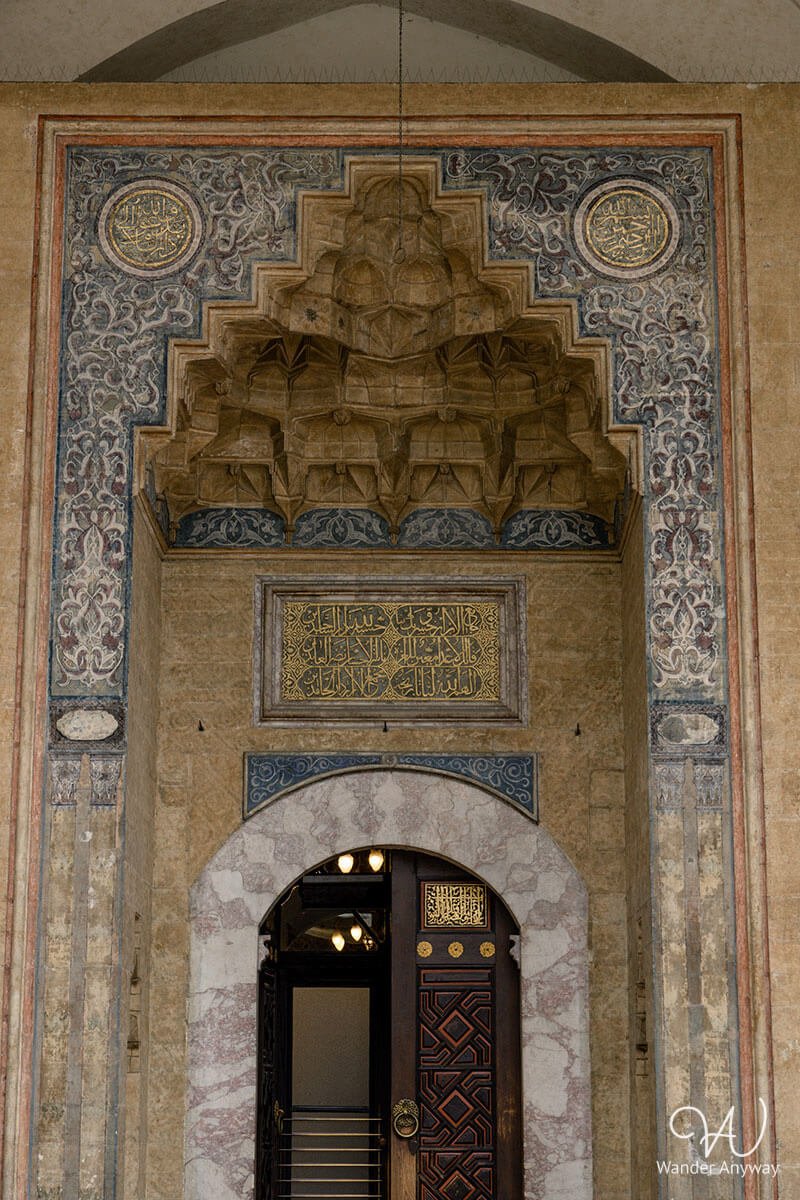
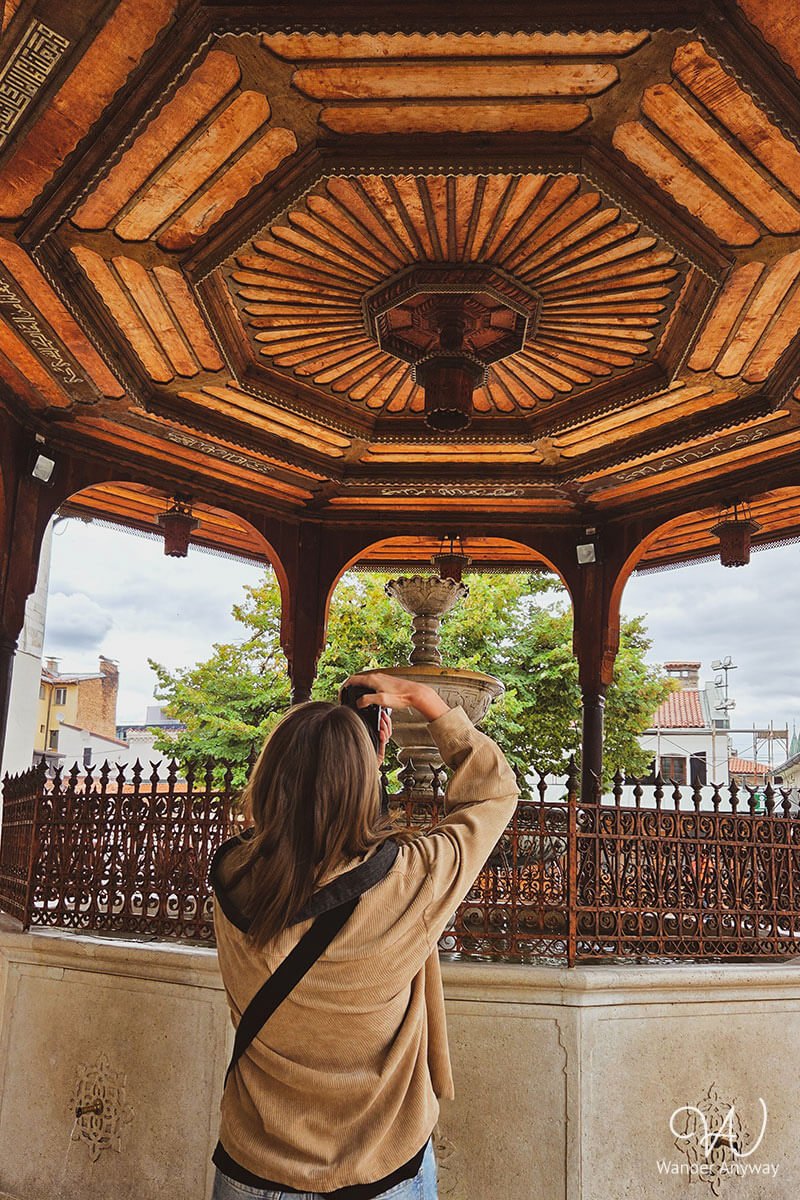
Located in the heart of Baščaršija, Gazi Husrev-beg Mosque is one of Sarajevo’s most important Ottoman landmarks. Its tall minaret rises above the surrounding bazaar streets, while the courtyard features a traditional fountain used for ritual washing.
Built in 1531, the mosque was commissioned by Gazi Husrev-beg, an Ottoman governor who played an important role in Sarajevo’s development. He also funded schools, public buildings, and other institutions that helped the city grow into an important commercial and cultural center.
Today, the mosque remains an active place of worship. Visitors should dress respectfully and check tourist visiting hours before entering, as access is restricted during prayer times.
7. Wander Through Baščaršija
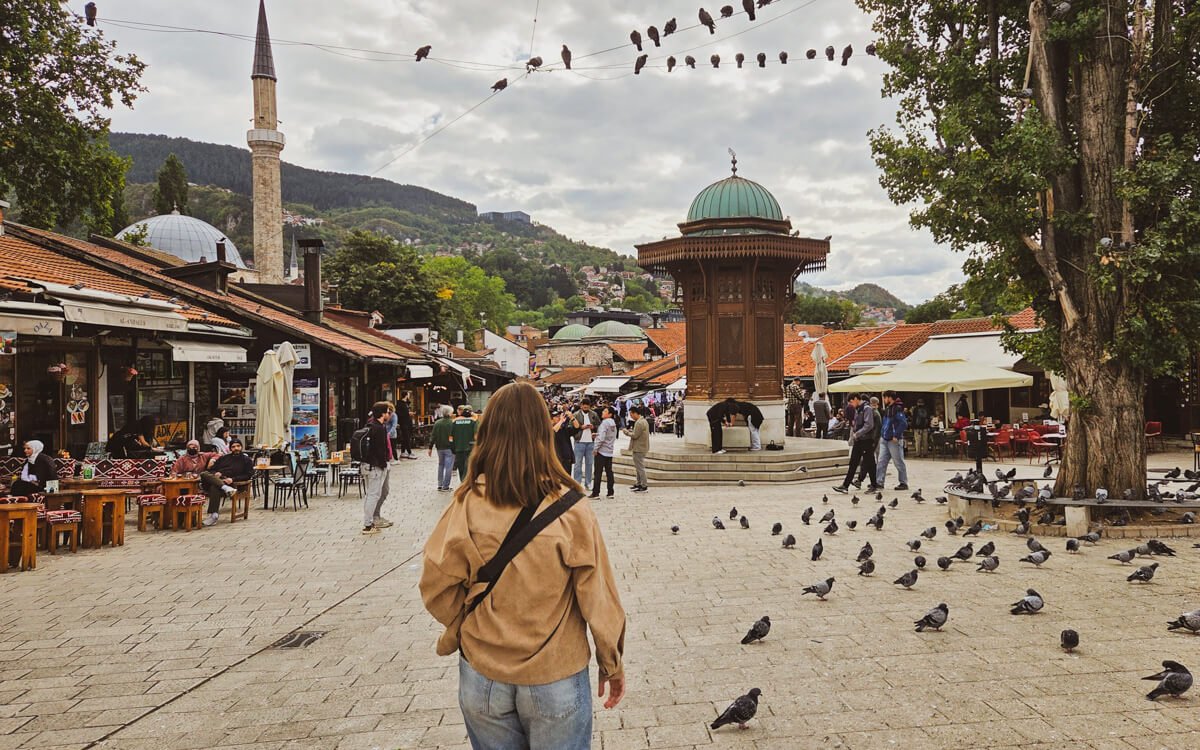
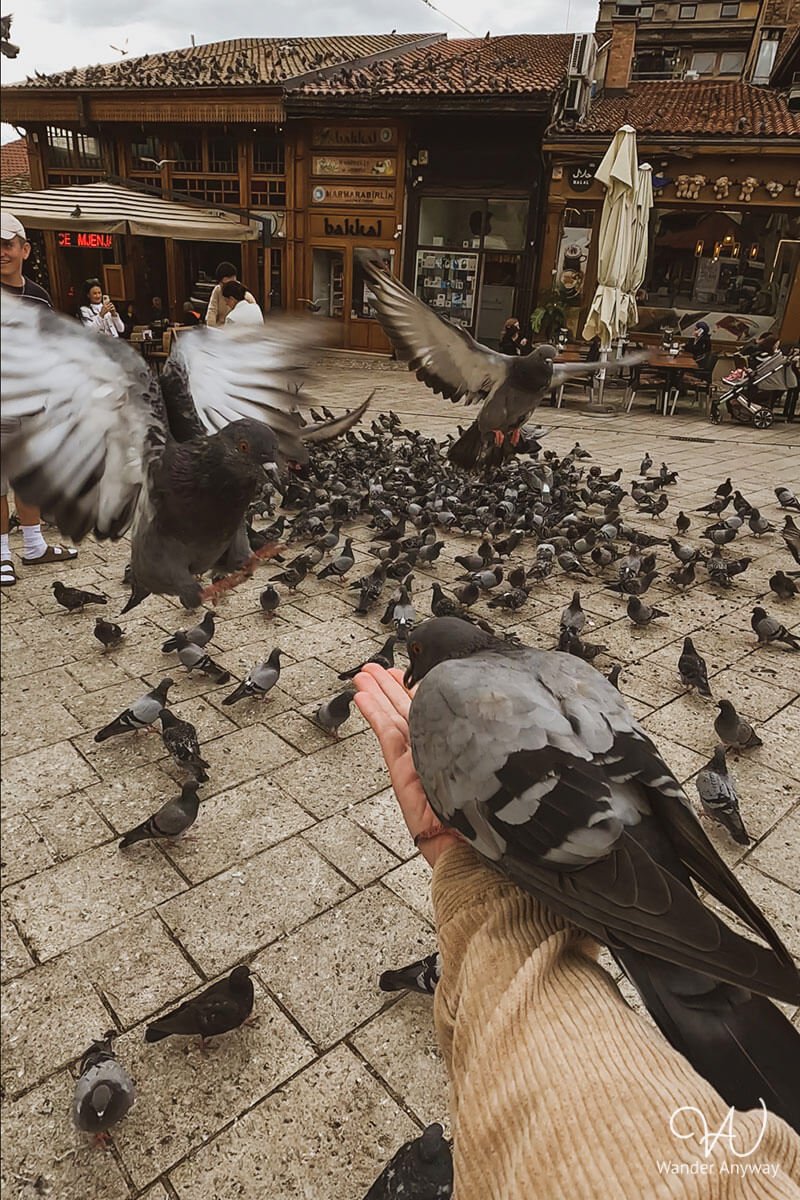
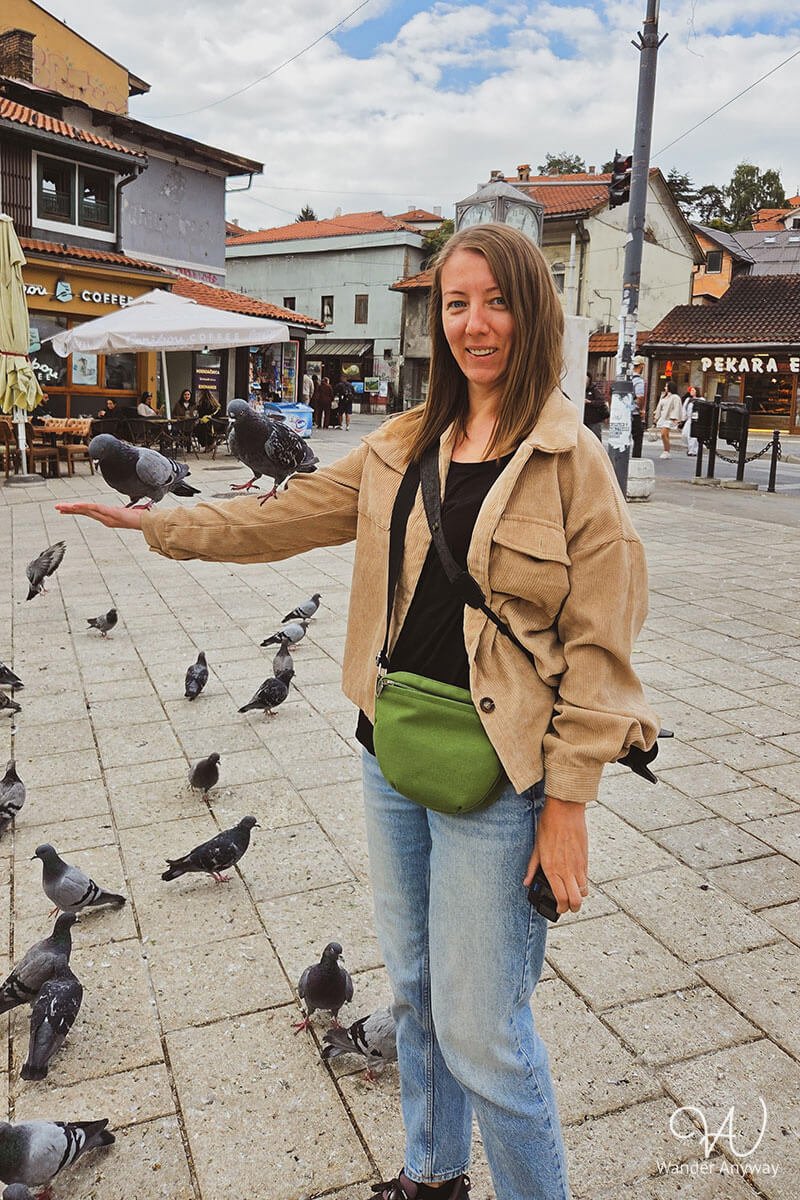
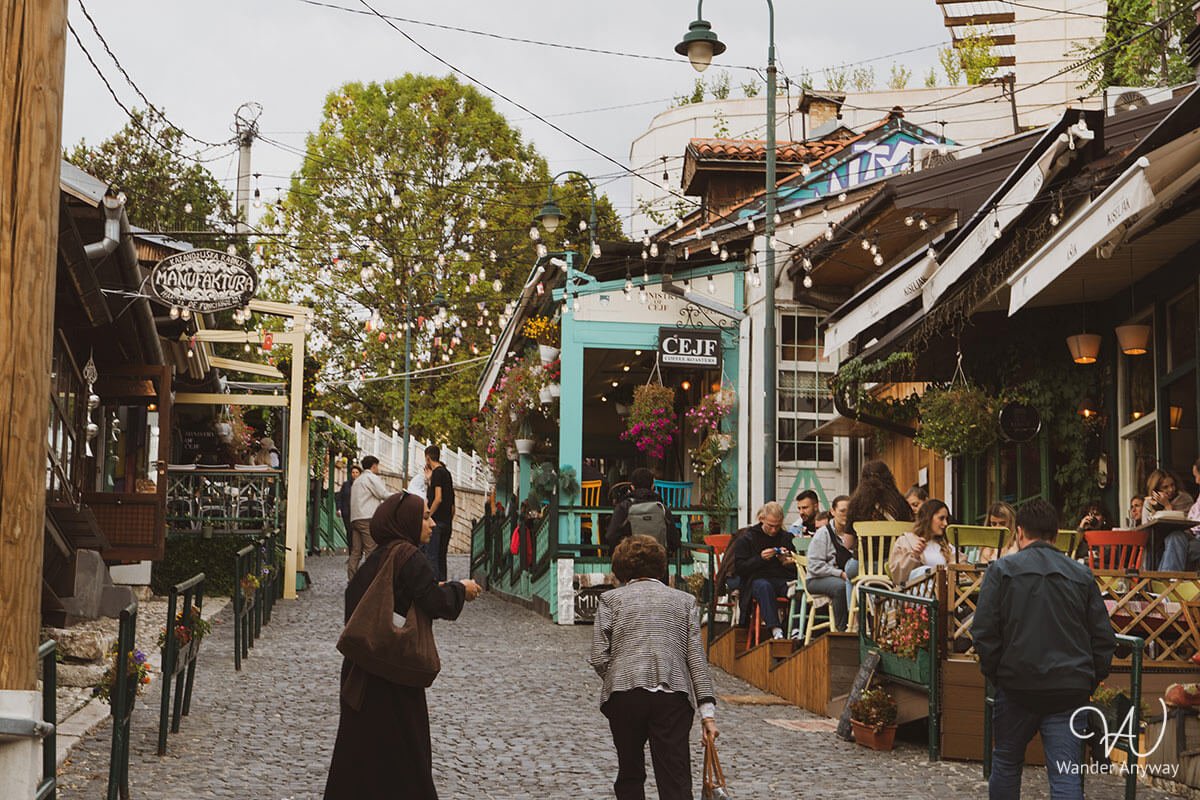
Copper coffee sets fill the shop windows, and traditional restaurants line the cobbled streets. In the main square, the wooden Sebilj Fountain stands surrounded by flocks of pigeons. Sarajevo’s historic Ottoman bazaar is particularly interesting around Kazandžiluk, where the centuries-old coppersmith tradition continues.
Established in the 15th century, Baščaršija developed into Sarajevo’s main trading center during the Ottoman period. Today, its workshops and traditional coffeehouses continue to preserve part of that heritage.
Did you know? The original Sebilj Fountain dates back to the mid-18th century, while the wooden fountain standing in Baščaršija today was built during the Austro-Hungarian period. According to local legend, anyone who drinks from the fountain will one day return to Sarajevo.
During my visit, I enjoyed browsing the traditional shops and exploring the smaller streets away from the main square. Allow at least an hour to explore Baščaršija, with extra time for traditional Bosnian coffee or local food.
8. Try Traditional Bosnian Food
While exploring Baščaršija, take some time to try traditional Bosnian food. Sarajevo is particularly famous for ćevapi, grilled minced-meat sausages served with flatbread and onions. Other local specialties include burek, Bosanski lonac, hearty soups, Bosnian coffee, and sweet pastries such as baklava.
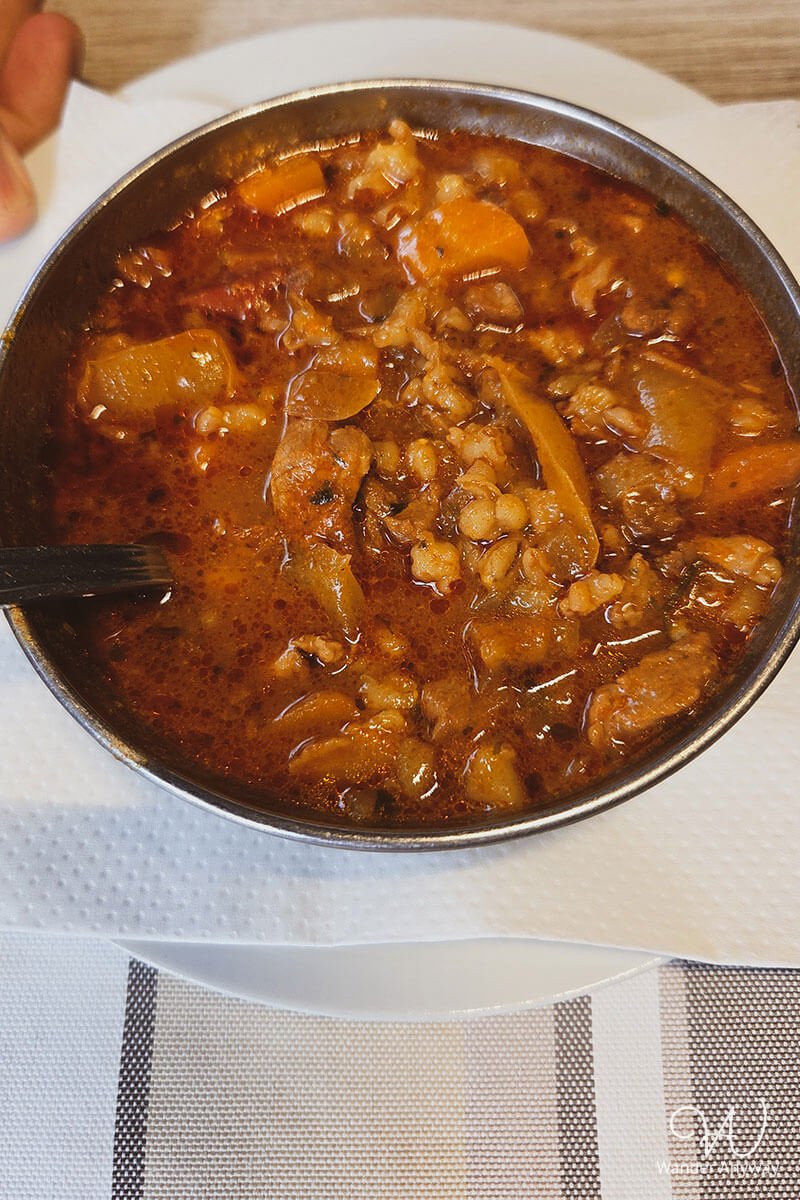
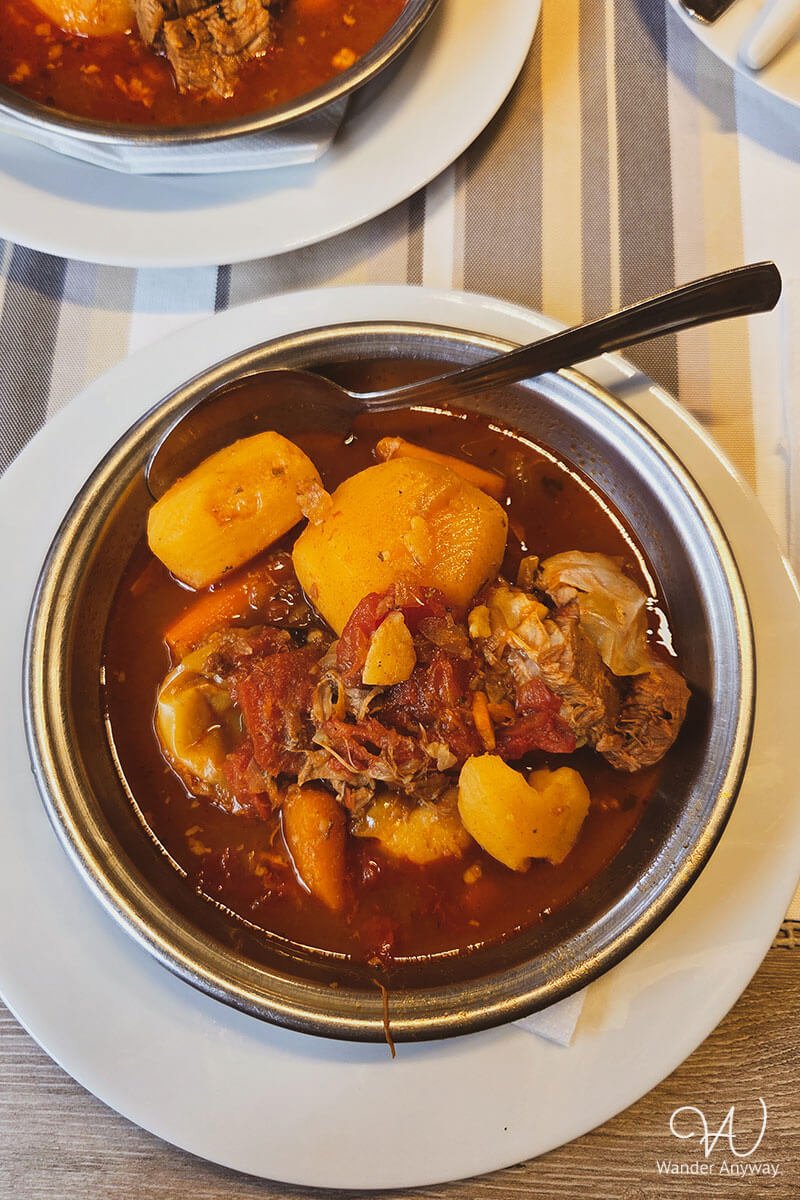
With plenty of restaurants to choose from in the Old Town, I stopped at Dženita, where I tried Bosanski lonac, a traditional meat-and-vegetable stew, and ječmena supa, a barley soup. I enjoyed both dishes, and the stew reminded me slightly of Hungarian goulash, although the flavors were quite different.
Later, I also tried a selection of traditional sweets, including baklava and other syrup-soaked pastries. Although they looked tempting, they were far too sweet for my taste.
9. Enjoy the View from the Yellow Fortress
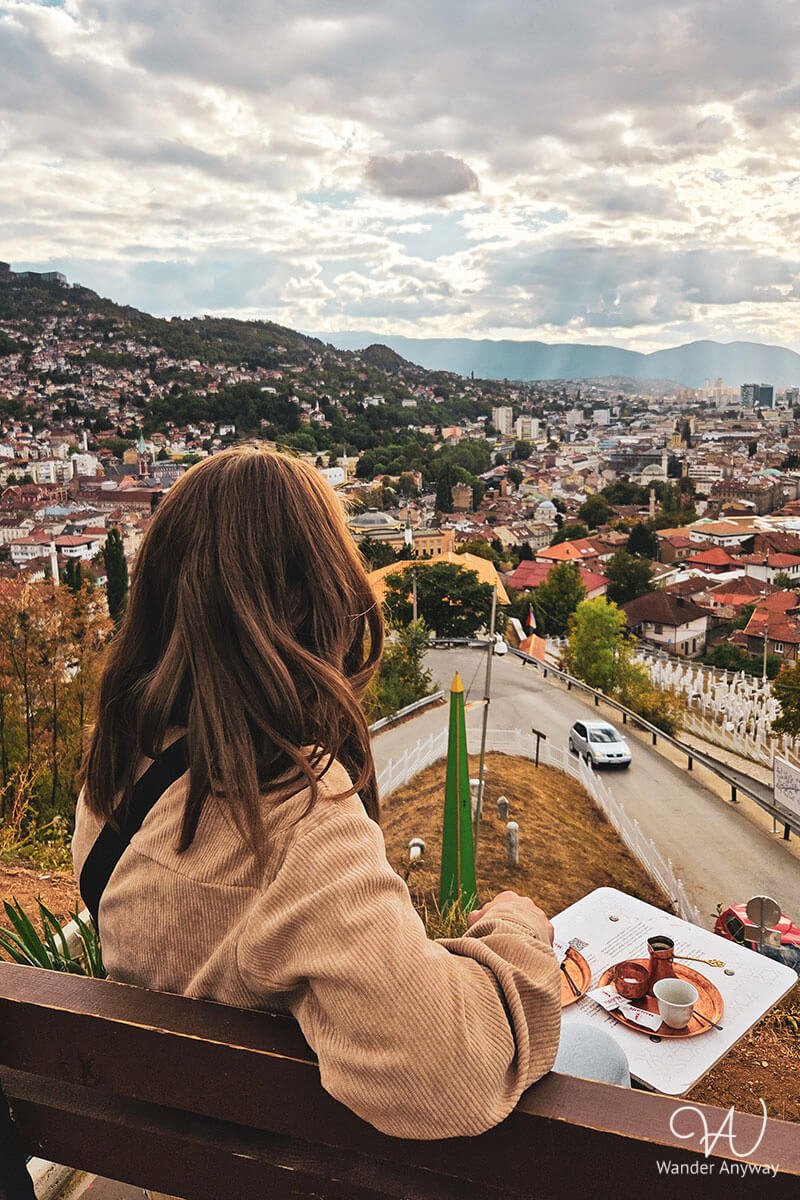
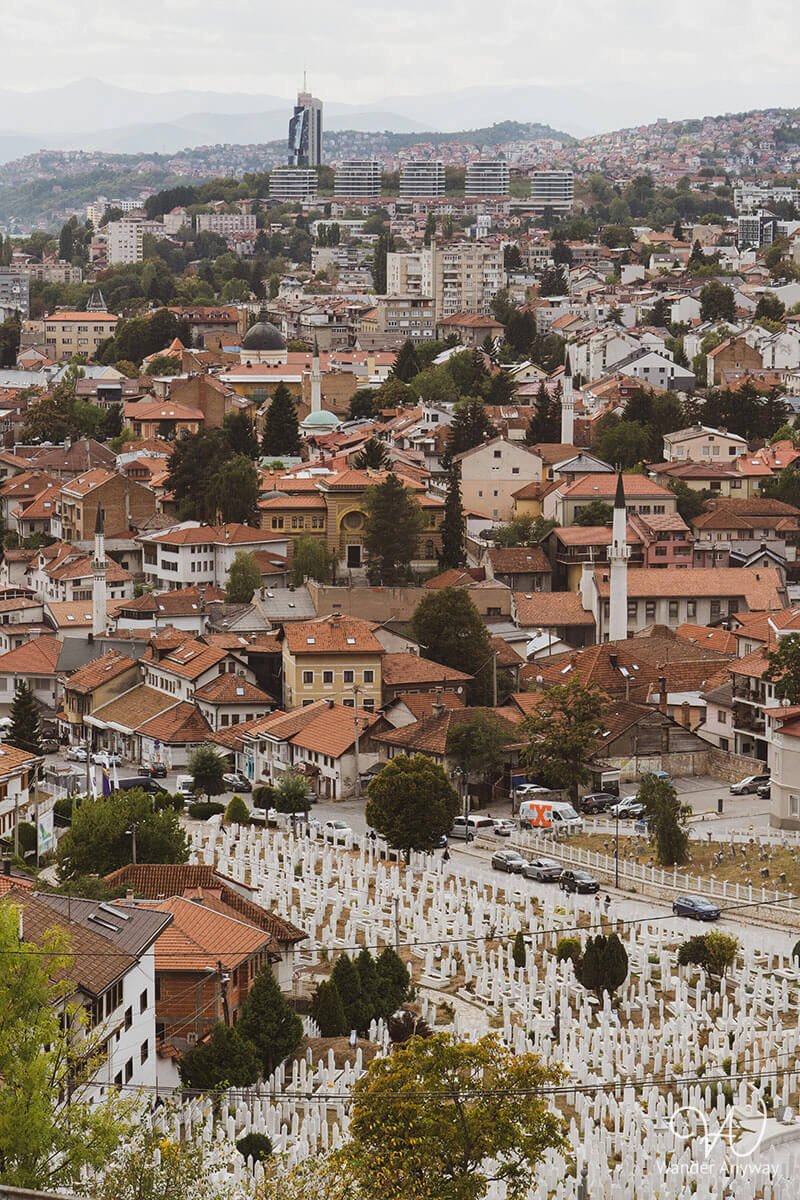
The Yellow Fortress, known locally as Žuta Tabija, offers panoramic views over Sarajevo’s red rooftops, mosque minarets, and surrounding mountains. Built in the 18th century as part of the city’s defenses, it’s now a popular viewpoint, especially at sunset.
I walked up from Baščaršija after lunch, passing Kovači Cemetery, where many victims of the Bosnian War are buried. The uphill walk takes some effort, but the views from the top make it worthwhile.
You can enjoy the panorama for free or relax with a drink at the small café overlooking the city.
10. Admire Sarajevo City Hall
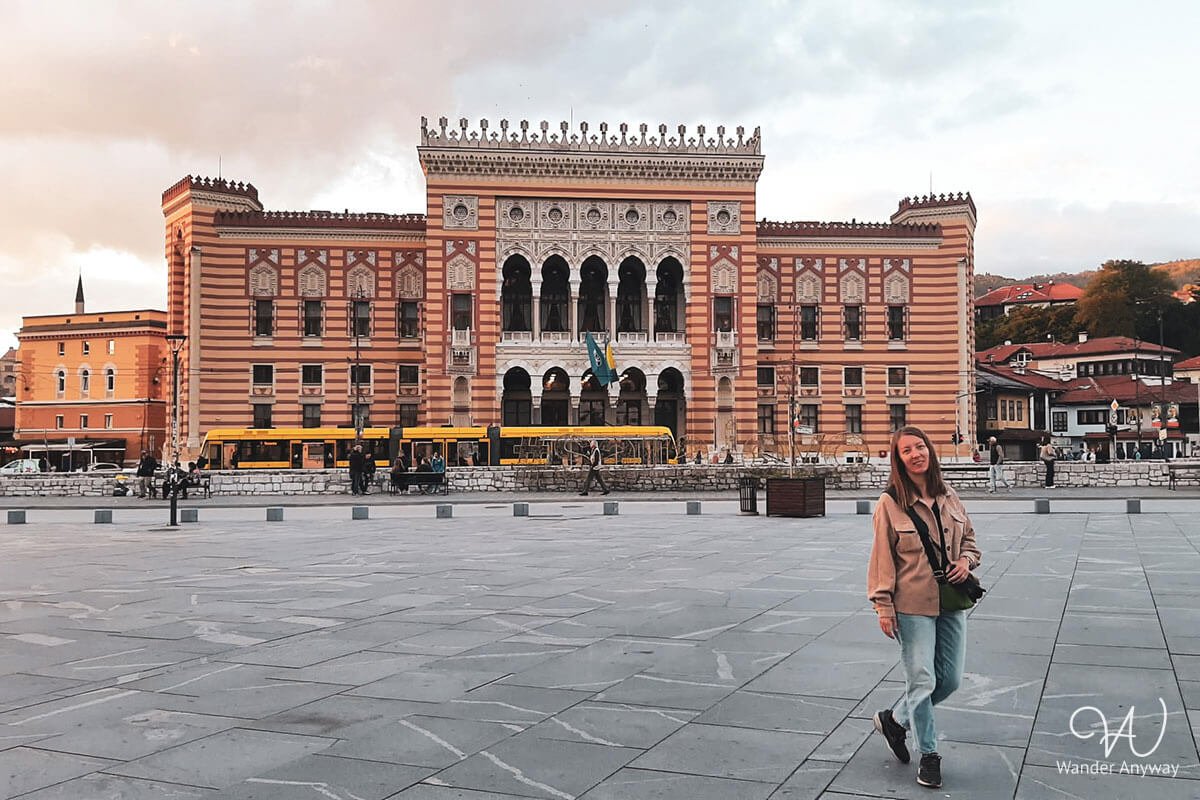
Sarajevo City Hall, also known as Vijećnica, stands beside the Miljacka River at the edge of the Old Town. Its colorful facade, arched windows, and intricate Moorish-inspired details make it one of the city’s most distinctive buildings.
Completed in 1896, the building later became home to the National and University Library. During the Siege of Sarajevo in August 1992, it was set on fire by artillery attacks, destroying much of its valuable collection. After years of restoration, City Hall reopened in 2014.
Today, visitors can admire its beautifully restored interior, including the impressive central atrium. Unfortunately, I arrived after 5 PM and could only see the exterior. If you want to explore inside, plan your visit earlier and check the official City Hall website for current opening hours.
11. Ride the Trebević Cable Car
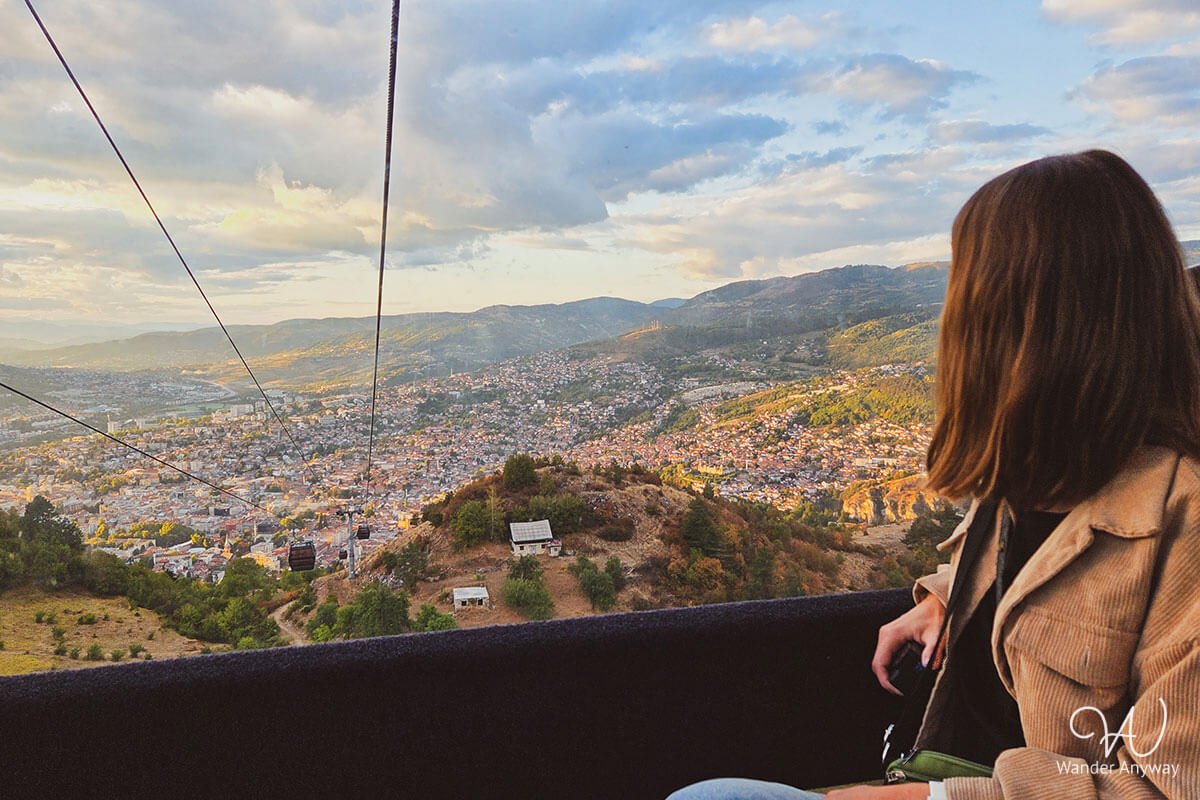
From the Bistrik neighborhood, the Trebević Cable Car climbs toward the forested mountain above Sarajevo. As the gondola rises, the buildings grow smaller, revealing panoramic views of the city and surrounding hills.
The original cable car opened in 1959 but was destroyed during the Bosnian War. Reopened in 2018, it now offers a convenient way to reach Mount Trebević. Alternatively, you can drive up the mountain.
At the top, you can enjoy the viewpoints, explore walking trails, or head toward the abandoned Olympic bobsleigh track.
I took the cable car after 5 PM, when Sarajevo City Hall had already closed. Fortunately, it was still operating, allowing me to continue exploring Mount Trebević. Since operating hours vary, check the official Trebević Cable Car website for current schedules and ticket prices. Allow enough time to explore the mountain and return to the upper station before the last departure.
12. Explore the Olympic Bobsleigh Track
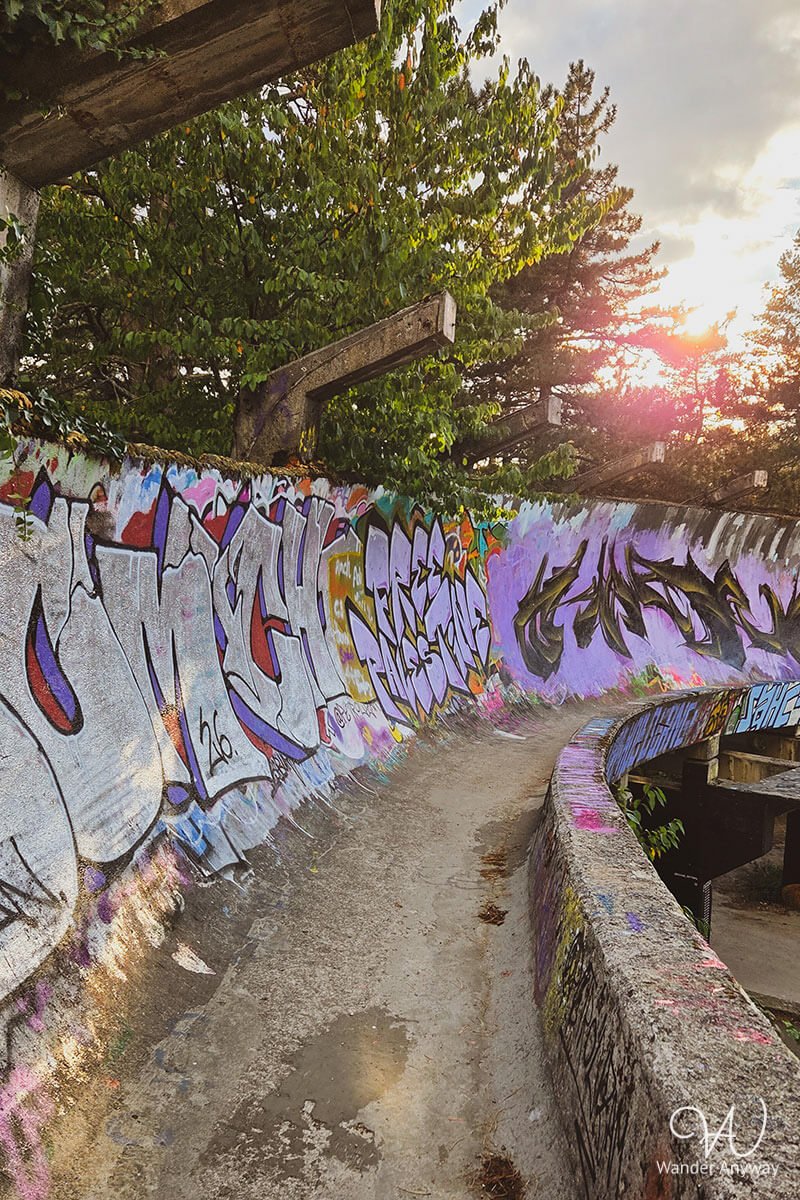
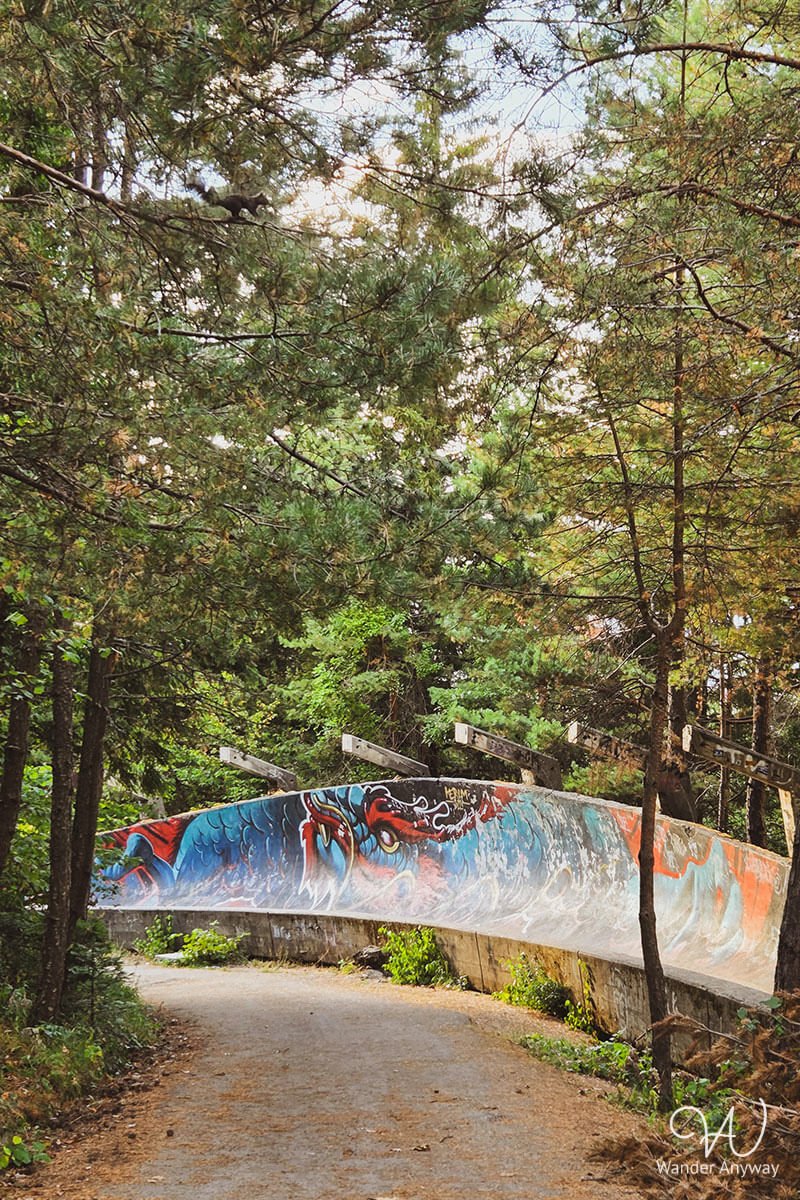
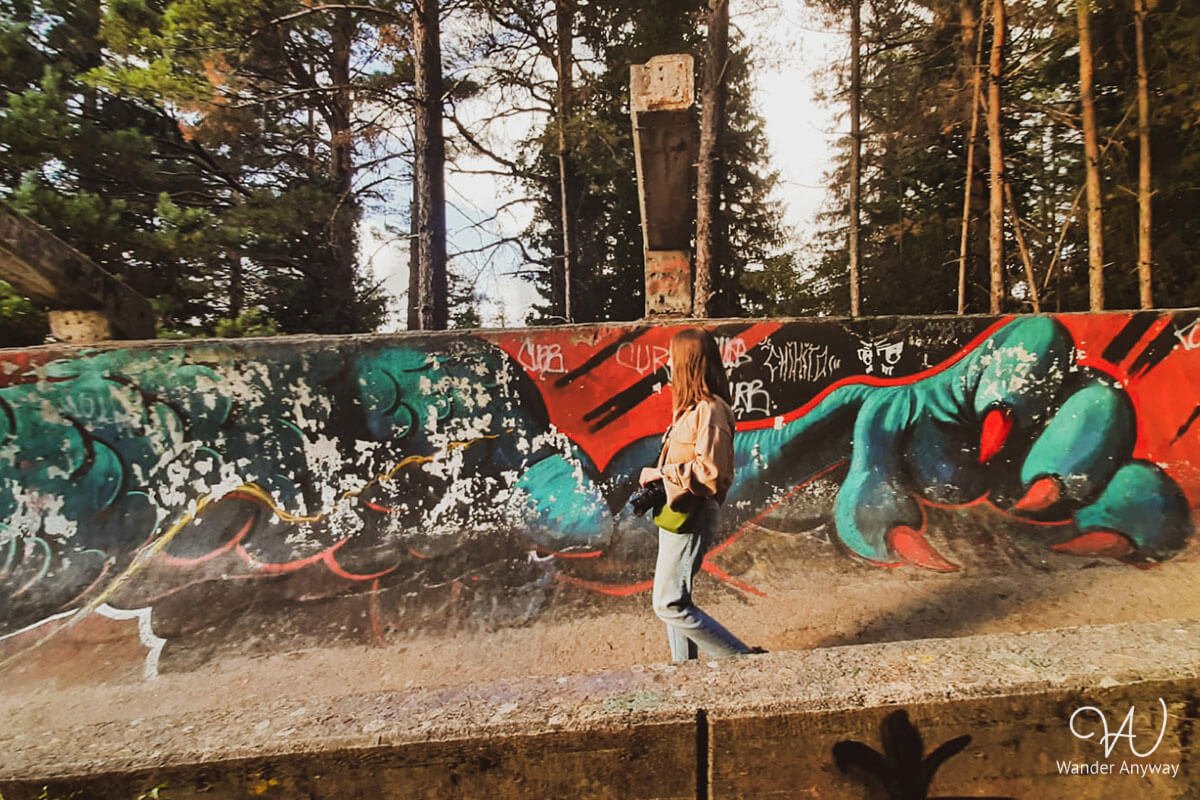
High concrete walls curve through the forest on Mount Trebević, covered in colorful graffiti. This abandoned bobsleigh and luge track was built for the 1984 Winter Olympics and is now one of Sarajevo’s most unusual attractions.
During the Bosnian War, the track was damaged and used as an artillery position, while the surrounding mountain was heavily mined. Today, visitors can explore accessible sections of the former Olympic course on foot, walking along its steep, banked turns and graffiti-covered concrete walls.
The track is a short walk from the upper cable car station. You don’t need to walk the entire course to see its characteristic curves and colorful street art.
There is generally no admission fee to explore the outdoor track, although you’ll need a ticket if you’re arriving by cable car. Wear shoes with good grip, as the concrete can be uneven and slippery after rain. Landmines and unexploded ordnance can still pose a risk in surrounding wooded areas, so stay on established paths and avoid taking shortcuts through the forest.
13. Visit Markale and Its Memorials
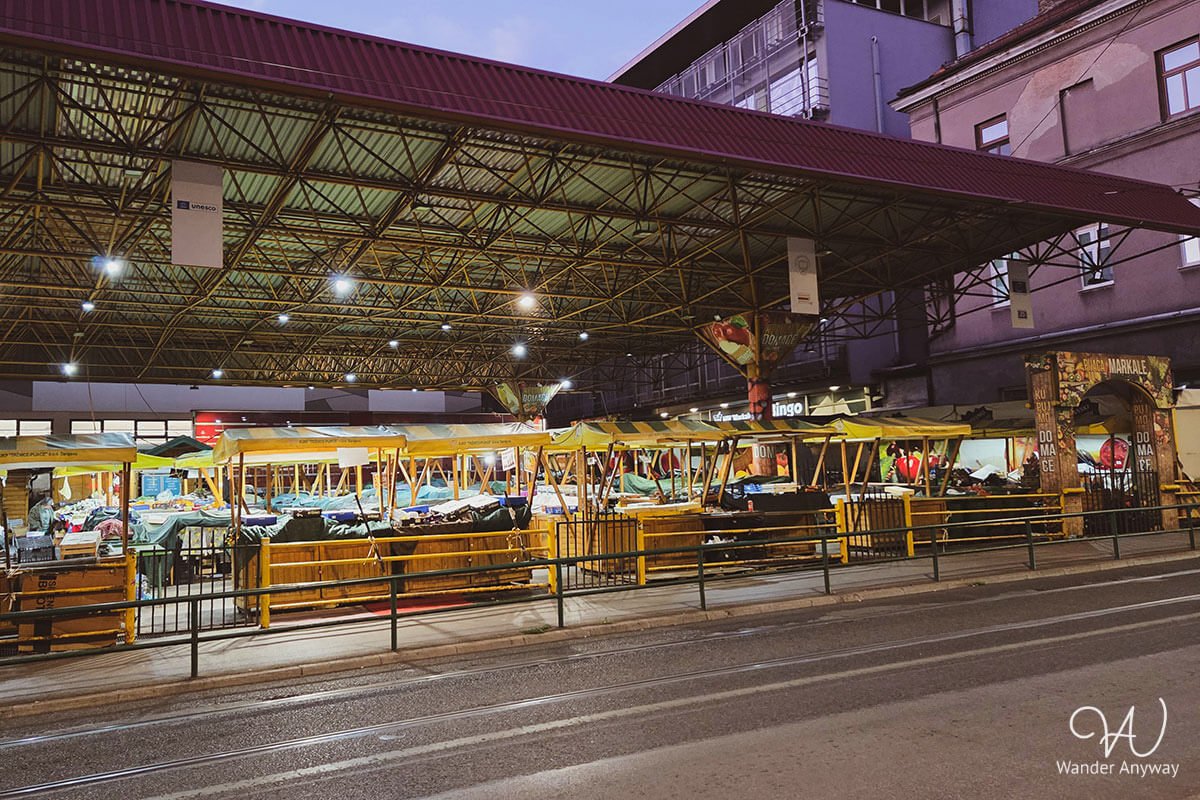
Markale Market is another important place connected to the Siege of Sarajevo. During the war, two devastating attacks struck civilians in the market area. The first took place at the open-air market on February 5, 1994, followed by a second attack near the covered City Market on August 28, 1995.
Today, Markale remains an active food market, while memorials commemorate those who lost their lives. The two locations are close together and can easily be visited while exploring central Sarajevo.
I stopped at Markale on my way back to the parking area. If you want to experience the market while the stalls are open, plan your visit earlier in the day.
Take a Day Trip to Lukomir
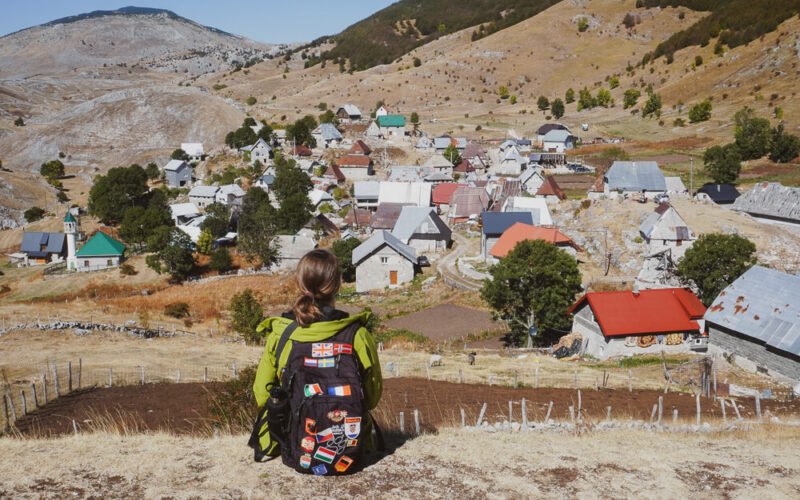
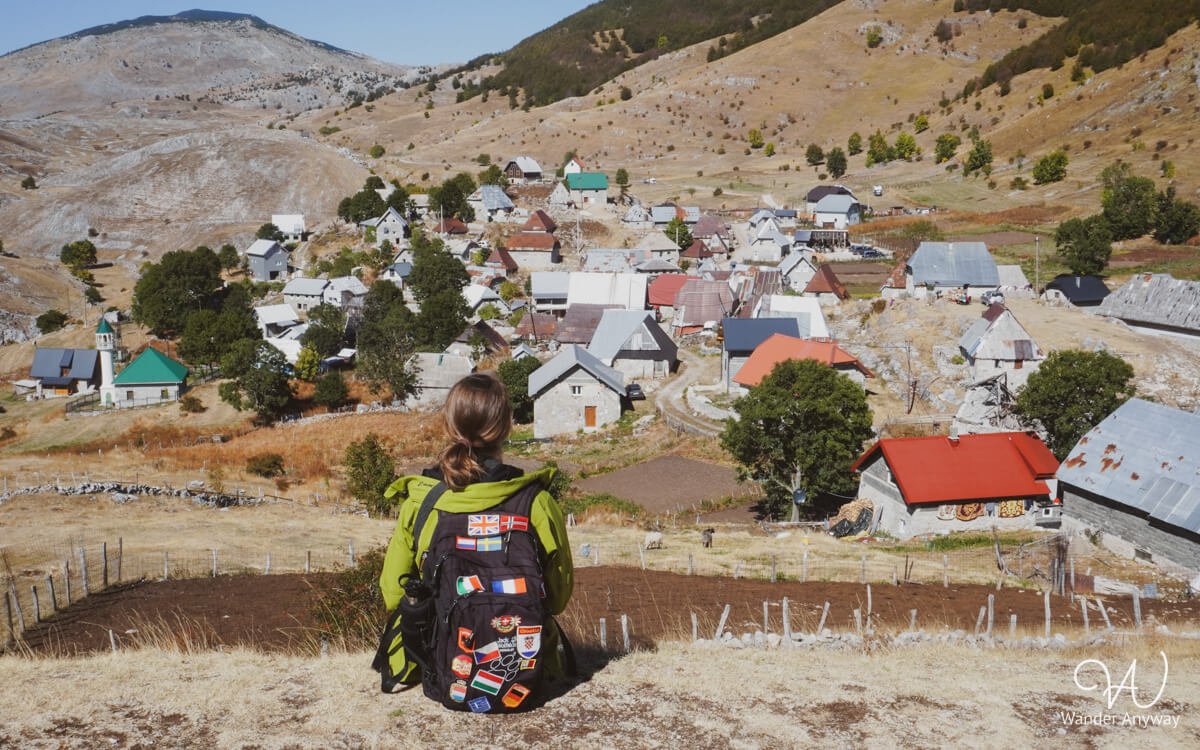
If you’re spending more than one day in Sarajevo, consider escaping to the Bjelašnica Mountains to visit Lukomir, one of Bosnia and Herzegovina’s highest villages. Perched above the dramatic Rakitnica Canyon, this traditional village is known for its stone houses, remote setting, and mountain scenery.
During my Bosnia and Herzegovina road trip, I followed the Umoljani to Lukomir hiking trail, but you can also visit the village as a day trip from Sarajevo without completing the full hike.
Other Places Worth Visiting in Sarajevo
If you have more time in Sarajevo, several museums offer a deeper look into the Bosnian War and its impact on the city. I didn’t visit these attractions, but they’re worth considering if you’re interested in Sarajevo’s recent history.
Tunnel of Hope
Built in 1993 during the Siege of Sarajevo, the approximately 800-meter-long Tunnel of Hope connected the besieged city with territory outside the blockade. It allowed people and essential supplies to move in and out of Sarajevo. Today, the museum preserves part of the original tunnel alongside photographs and historical exhibits. It’s located near Sarajevo Airport, so you’ll need to plan a separate journey from the Old Town.
War Childhood Museum
The War Childhood Museum tells the stories of children who experienced the Bosnian War through personal belongings, photographs, and memories. Rather than focusing on military events, it offers a moving perspective on how the conflict affected everyday life. The museum is located near Sarajevo’s historic center.
Gallery 11/07/95
Dedicated to the Srebrenica genocide of July 1995, Gallery 11/07/95 commemorates the victims through photographs, documentary footage, and personal testimonies. Located near the Sacred Heart Cathedral, it’s an important place to visit for anyone interested in Bosnia and Herzegovina’s recent history.
Where to Stay in Sarajevo
For a first visit, I recommend staying near Baščaršija or Ferhadija Street, where you’ll be within walking distance of the main attractions, restaurants, and cafés. These areas are especially convenient if you’re exploring Sarajevo without a car.
During my road trip, I stayed in an apartment approximately 10 minutes by car from Sarajevo Airport. Since I had a car, this location worked well for my itinerary. If you’re driving, look for accommodation with parking, as navigating the busy city center can be less convenient.
How to Get to Sarajevo and Get Around
Sarajevo is accessible by plane, bus, or car. Sarajevo International Airport lies southwest of the city center, while buses connect the capital with other destinations in Bosnia and Herzegovina and neighboring countries.
The historic center is best explored on foot, with many attractions located close together. Sarajevo also has trams, buses, and trolleybuses for longer journeys. If you’re planning a wider Bosnia road trip, having a car makes it easier to visit mountain villages and natural attractions.
Where I Parked in Sarajevo
I parked at Veliki Parking, approximately 10 km and a 17-minute drive from my accommodation near Sarajevo Airport. Parking was free during my visit.
I chose this location because I wanted to start near Sniper Alley and explore historical landmarks on my way toward Baščaršija. It meant more walking, but it suited my sightseeing route. If you’re mainly visiting the Old Town, parking closer to the center may be more convenient.
Check current parking regulations and charges before visiting.
How Many Days Do You Need in Sarajevo?
One full day is enough to see many of Sarajevo’s highlights, including Baščaršija, historical landmarks, the Yellow Fortress, and Mount Trebević. However, my itinerary involved plenty of walking, and I didn’t have time to visit the museums.
For a more relaxed experience, I recommend two days in Sarajevo. This gives you time to explore the Old Town, visit museums, and enjoy the city’s traditional restaurants without rushing.
Best Time to Visit Sarajevo
Spring and autumn are ideal for exploring Sarajevo on foot, with generally mild temperatures and fewer concerns about summer heat. I visited in September, which was a good time for sightseeing and exploring the city on foot. Summer offers longer daylight hours, while winter brings colder weather and the possibility of snow, especially in the surrounding mountains.
If you’re visiting Mount Trebević, check the mountain forecast as well. Temperatures can be cooler at higher elevations, so bring an extra layer.
Frequently Asked Questions About Sarajevo
Is Sarajevo safe to visit?
Sarajevo is generally safe for tourists, although normal precautions are recommended. Watch your belongings in crowded areas and on public transportation. Landmines and unexploded ordnance remain a concern in some rural and mountainous areas of Bosnia and Herzegovina, so stay on established trails and follow local warning signs.
What are some free things to do in Sarajevo?
Some of the best free things to do in Sarajevo include exploring Baščaršija, visiting the Latin Bridge, finding the Sarajevo Meeting of Cultures marker, and enjoying panoramic views from the Yellow Fortress. You can also see Sarajevo Roses and explore the outdoor Olympic bobsleigh track without an admission ticket, although the cable car costs extra.
Is Sarajevo expensive to visit?
In my experience, Bosnia and Herzegovina was the cheapest European country I’ve visited so far, and Sarajevo was no exception. Food, accommodation, and everyday expenses were noticeably more affordable than in many other European destinations. With plenty of free attractions and reasonably priced traditional restaurants, Sarajevo is a great destination for budget travelers.
Final Thoughts
One of the things I remember most about Sarajevo is walking along Sniper Alley and noticing bullet marks on buildings that are now part of an ordinary, busy city. Later that same day, I explored the copper-filled streets of Baščaršija and walked along the graffiti-covered curves of an abandoned Olympic bobsleigh track.
These contrasting places made Sarajevo a memorable stop on my Bosnia and Herzegovina road trip. If you’re planning to visit, allow at least one full day to explore the highlights, or two if you want time for museums and a more relaxed experience.